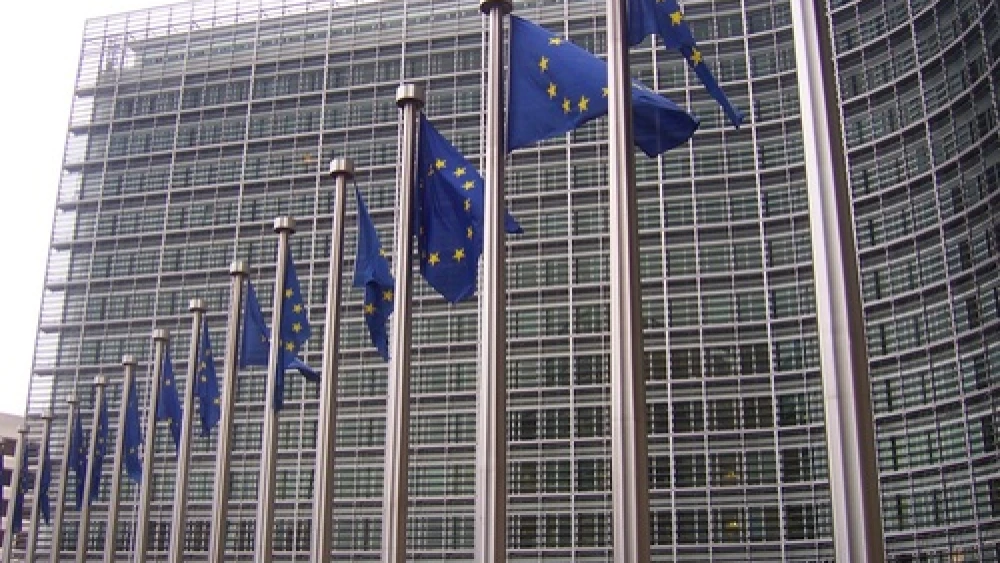
European Union Foreign Affairs Minister Josep Borrell said on Tuesday that the United States cannot initiate snapback sanctions at the United Nations against Iran, including extending the world body’s arms embargo on the regime, since the Trump administration withdrew America from the 2015 Iran nuclear deal and is therefore no longer a part of it.
“The United States has withdrawn from the JCPOA, and now they cannot claim that they are still part of the JCPOA in order to deal with this issue from the JCPOA agreement,” said Borrell. “They withdraw. It’s clear. They withdraw.”
The United States, the United Kingdom, France, Germany, Russia and China signed the 2015 nuclear accord with Iran to restrict the Islamic Republic’s nuclear program in exchange for sanctions relief. The United States ended its participation in May 2018, reimposing sanctions and enacting new penalties against the regime in what the Trump administration has called a “maximum pressure” campaign.
Meanwhile, on Monday, Russian Foreign Minister Sergey Lavrov accused the United State of conducting a politically motivated initiative against Tehran.
He called for “universal condemnation” of the United States for seeking to permanently extend the U.N. Security Council arms embargo on Iran, which is scheduled to be lifted later this year.