Israel, Lebanon and the U.S. reached an unprecedented diplomatic-security agreement on Wednesday, under which initial steps to implement the ceasefire in Southern Lebanon are supposed to begin in the coming days.
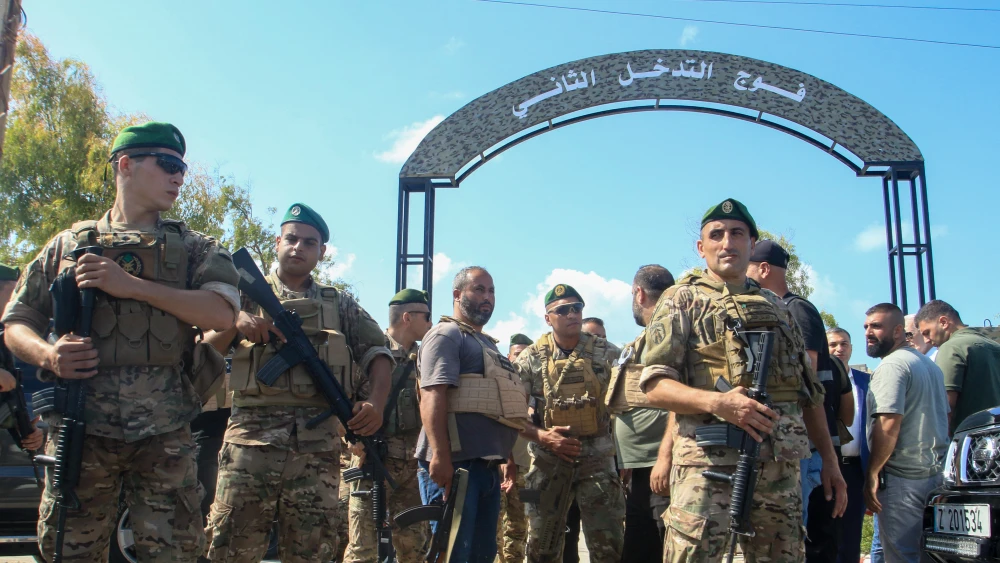
As part of the understandings, “pilot” zones are to be established where the Lebanese Army will deploy and prevent Hezbollah from returning to the area, while talks between the sides continue in Washington under U.S. mediation.
Under the agreement, Israeli and Lebanese teams are to identify in the coming days the first areas where the plan will be implemented. Lebanese Army forces are to be given exclusive control in those areas and will work to remove any armed elements that are not part of state institutions.
Israel is aware of the difficulties expected in implementing the understandings, as well as the opposition from Hezbollah and Iran, but hopes the move will strengthen Lebanese President Joseph Aoun and Prime Minister Nawaf Salam against Hezbollah and Parliament Speaker Nabih Berri, who heads the Hezbollah-allied Amal Movement and its parliamentary wing, the Development and Liberation Bloc.
In a statement issued by the U.S. on behalf of the three countries, it was stated that the ceasefire is conditional on a complete halt to fire by Hezbollah and the evacuation of all its operatives from south of the Litani River. It was further agreed that pilot zones would be established in which the Lebanese Army would be the only security force on the ground.
The statement also included direct criticism of Iran. The three countries stressed that Lebanon’s future would be determined only by the Lebanese government and the Israeli government, and rejected any attempt by state or non-state actors to influence the country’s future.
It was also stated that Israel and Lebanon were committed to continuing direct negotiations, building trust and moving toward a broader security agreement and even a wider diplomatic agreement. However, Israel made clear that any further progress depended on the disarmament of Hezbollah and the elimination of the organization’s military infrastructure throughout Lebanon.
The U.S. pledged to continue strengthening the Lebanese Army to enable it to exercise full sovereignty throughout the country. At the same time, Lebanon undertook to expand the control of its forces and prevent the return of armed militias to areas placed under its responsibility.
Israel’s Ambassador to the U.S. Yechiel Leiter said at the end of the round of talks that “America, Israel and Lebanon are united in their desire to prevent Iran from entering the equation. The Iranians want to continue spreading destruction and chaos in the Middle East, but here there is cooperation designed to prevent that.”
Originally published by Israel Hayom.