Hezbollah

The drones, which were launched from Lebanon, were shot down over the Mediterranean Sea.

“This is part of an Iranian strategic calculation to turn Syria into another zone of activity for Palestinian terror organizations,” says Michael Barak, a senior researcher at the Institute for Counter-Terrorism in Herzliya.
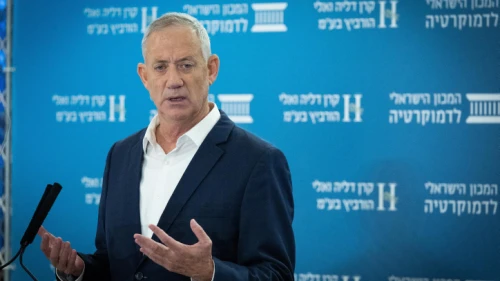
Iran and Hezbollah attempted to steal materials about UNIFIL activities and deployment in the area, says Israeli Defense Minister Benny Gantz.
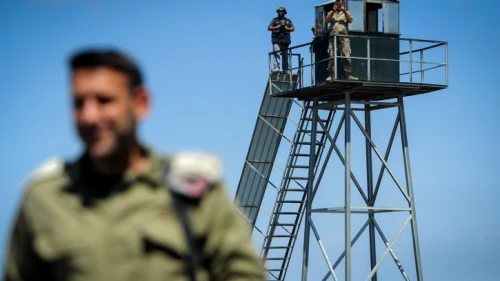
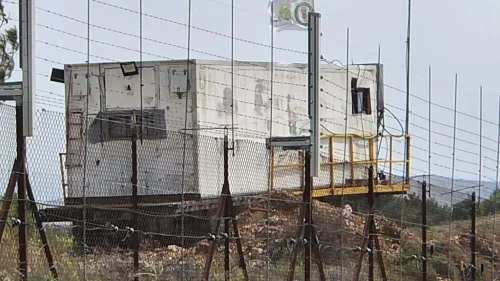
Once an outpost appears, the Lebanese army and UNIFIL cease visiting the location, a senior IDF source tells Channel 12.

“Lebanon, where everything’s just basically stories and old hall of mirrors and just pure insanity, has been matched finally, in the United States with a corresponding policy of just words,” said Tony Badran, research fellow at the Foundation for Defense of Democracies.

As the Israel Defense Forces prepare for a range of scenarios, Israeli observers assess that Hezbollah’s threats to strike offshore Israeli gas-drilling activities should be seen in a wider context.

Amos Hochstein spoke with senior Lebanese officials and looked at ways to advance negotiations with Israel amid rising tensions between Hezbollah and Israel.

Maj. (res.) Tal Beeri of the Alma Center tells JNS that “the attacking party” behind a series of reported strikes on Damascus is sending a clear message to the Bashar Assad regime.

U.S. envoy Amos Hochstein is in Lebanon for a two-day visit amid tensions over natural gas development in the eastern Mediterranean.
“They will pay the price, them and those who send them,” says head of IDF Northern Command.
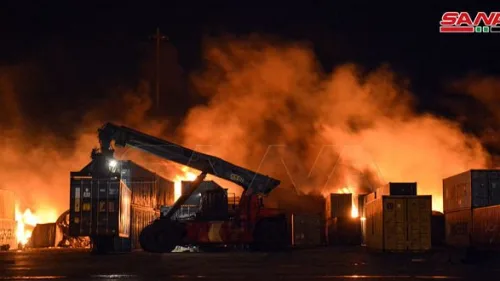
Damage to the runways at Damascus International Airport has reportedly prevented Iranian cargo planes from landing there.
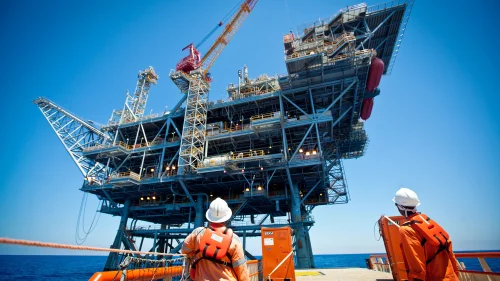
The Lebanese terror group conditioned its threat on the Lebanese government adopting a “clearer policy” on offshore gas fields.