Hezbollah
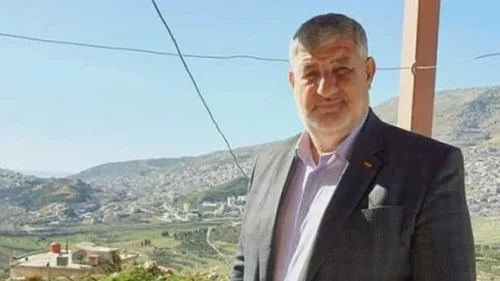
Midhat al-Saleh, the head of Syria’s Golan Affairs Office, was gunned down outside his home, according to Syrian media. The former MP reportedly played a key role in helping Hezbollah entrench its presence in the Syrian Golan.

The need in the north has become a concern, especially due to the severe lack of public shelters and Lebanon’s growing economic crisis.

By adding to its power directly north of the border, it gives Hamas more flexibility on its attack options against Israel.
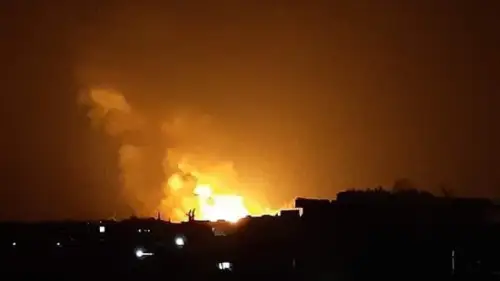
The attack is the second attributed to Israel in as many weeks, after a previous strike on Syria’s largest airbase on Oct. 8.

The terrorist organization possesses a fleet of Iranian-made military drones it received from smuggling efforts in recent years, according to multiple assessments.

While based in the Middle East, Hezbollah “derives financial support and political legitimacy from every region of the world,” stated Sen. Marsha Blackburn.
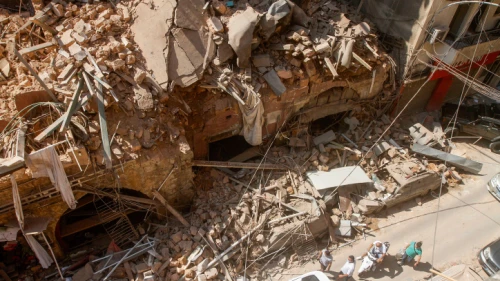
The legislative body passed a resolution threatening targeted sanctions on Lebanon for “obstructing and undermining the democratic political process.”
Hezbollah leader Hassan Nasrallah had announced last month that a shipment of Iranian fuel could help the country deal with shortages.
Prof. Eyal Zisser of Tel Aviv University tells JNS that Hezbollah and Hamas are building on events in Afghanistan for morale but are realistic enough to avoid initiating war with Israel at this time.
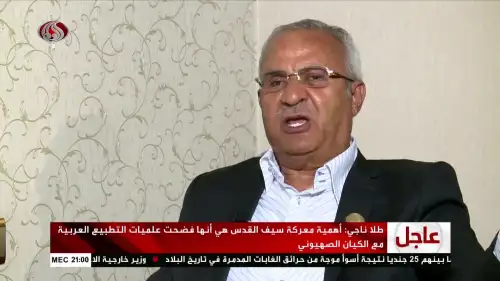
“Iran sent 10 ships full of weapons to the West Bank and Gaza ... most people do not know about these ships,” says the Syria-based terrorist group’s secretary general.

The announcement came after Hezbollah leader Hassan Nasrallah said more Iranian fuel vessels could help the country deal with shortages.

Lebanon’s defense minister condemns the attack, saying that Israel “blatantly violated Lebanon’s airspace at low altitude, causing a state of panic among citizens.”