Newsletter
Newsletter Support JNS

IDF denies cover-up over ultra-Orthodox recruitment numbers

Military officials said numerical differences were due to changes in the army’s definition of who qualified as haredi.

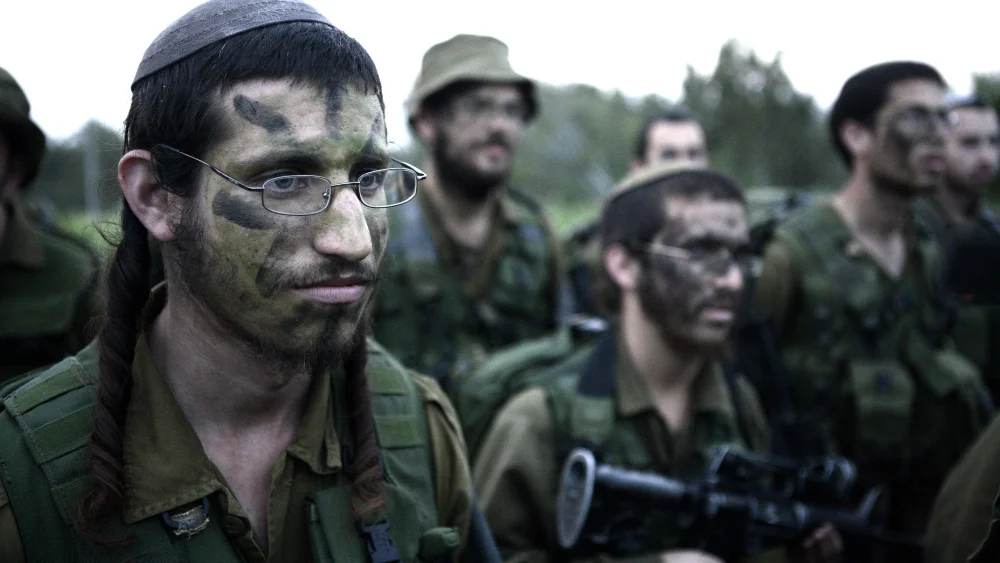
Infantrymen in the IDF's Orthodox Netzah Yehuda (“Nahal Haredi”) Battalion complete the final stages of a 40-kilometer march, Feb. 16, 2010. Photo by Abir Sultan/Flash90.
Infantrymen in the IDF’s Orthodox Netzah Yehuda (“Nahal Haredi”) Battalion complete the final stages of a 40-kilometer march, Feb. 16, 2010. Photo by Abir Sultan/Flash90.

Senior Israeli military officials involved with the army’s haredi (ultra-Orthodox) recruitment program denied on Wednesday that data was falsified to make it appear that recruitment quotas had been met, Ynet reported.

The statement came in response to a report by Israel’s Kan radio that the Israeli Defense Forces has been inflating the number of haredi recruits for years in an effort to hide the fact that it was not meeting its quota requirements. The report claimed that in 2017, for example, the number of haredi recruits according to the army was 3,070, when in true figure was 1,300.

However, according to Ynet, the military officials said the differences were due to changes in the army’s definition of who qualified as haredi.

The army said in a statement: “The IDF recently discovered a mistake when it comes to our system of counting the ultra-Orthodox soldiers. Once we became aware of the mistake, we learned our lesson when it comes to setting a standard for counting the ultra-Orthodox recruits.”

Pramila Patten also boasted that she had informed the Israeli mission to the United Nations that she would refuse to visit its detention facilities “even if they offered.”
The accord is the latest sign of the newly strengthened relations between the countries.
The Israeli singer “crossed generations, communities and sectors, becoming an inseparable part of the soundtrack of our lives,” Prime Minister Netanyahu said.
“In the Gaza Strip, we are clinching Hamas from all sides. ... We don’t allow them to arm themselves or harm us, and we also eliminate their senior commanders,” the premier said.
The Bank of Israel stepped in to protect high-tech exporters from a currency that their own success created.
Authorities on Crete detained a 37-year-old man suspected of ties to the Islamist organization and planning attacks, including against Israeli targets.