Israeli lawmakers are set to launch a new parliamentary caucus focused on rebuilding Israeli civilian communities in the Gaza Strip after the Hamas terrorist group is defeated, the Maariv daily reported on Monday.
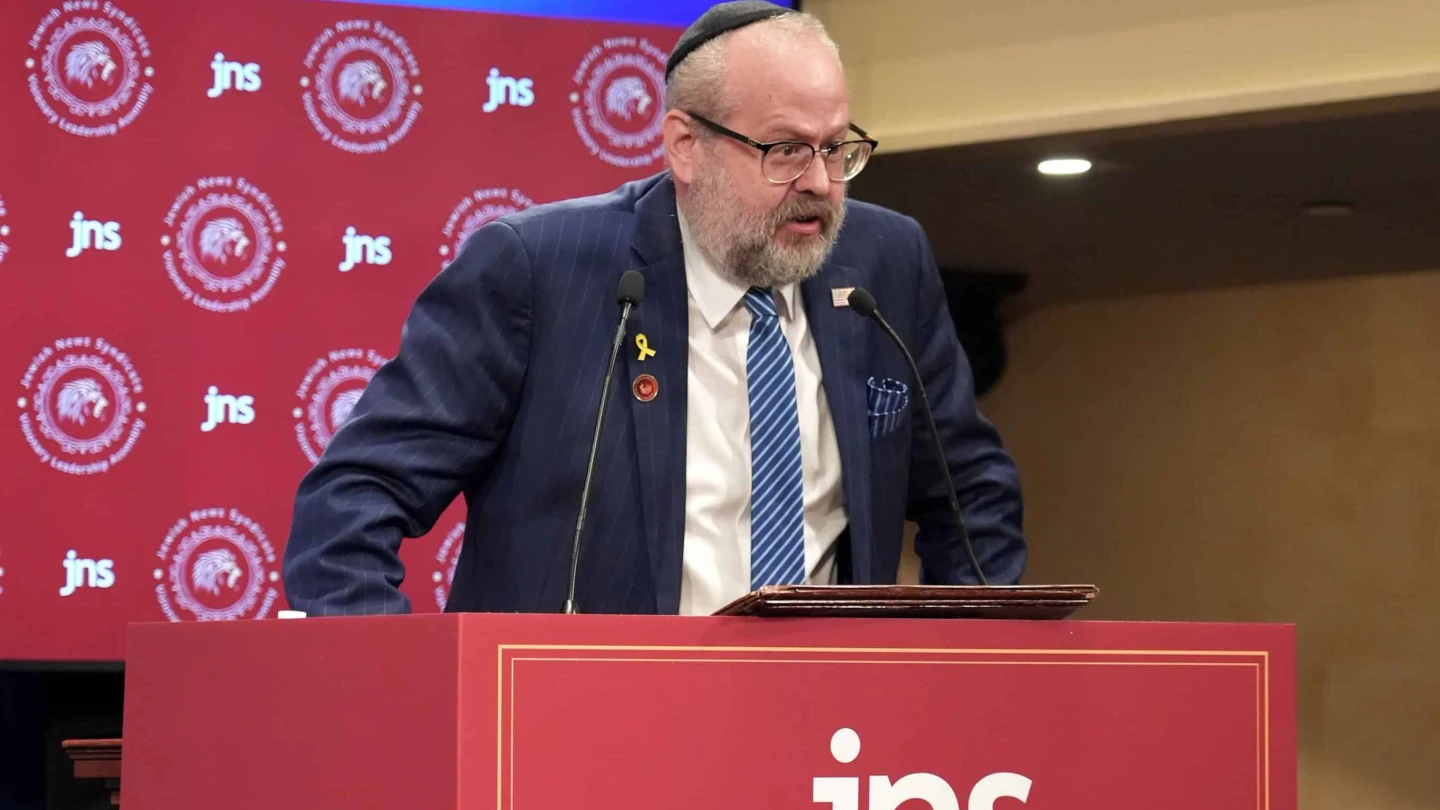
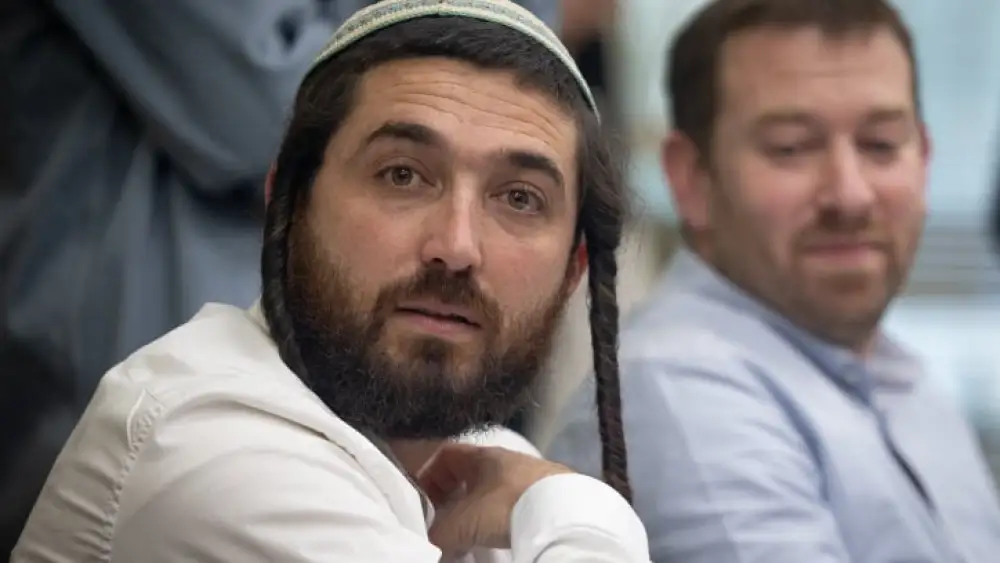
The “Caucus for the Return to Settlement in the Gaza Strip,” headed by Knesset members Limor Son Har-Melech (Otzma Yehudit Party) and Zvi Sukkot (Religious Zionism), will be officially launched on Tuesday in the presence of lawmakers, government and security officials, as well as representatives of Jewish communities in Judea and Samaria.
“Only settlement will bring security. Only when Jewish children are playing in the Strip will the Nukhba terrorists realize that they have lost,” Sukkot told Maariv, using the name of the Hamas unit that led the Oct. 7 murder of 1,200 people in the northwestern Negev.
According to Sukkot, who also heads the Knesset Subcommittee for Judea and Samaria, the re-establishment of towns uprooted in 2005 will help advance the release of the hostages held by Hamas.
“We have to act against Hamas on two levels—militarily and civilian,” he said. “On the military level, we are already operating, especially since Oct. 7. We now need to act on the civilian level and make them lose land.
“When they realize they are losing control of Gaza and losing the land of Gaza, they will be ready to release hostages without making demands that threaten the existence of the State of Israel,” he added.
Har-Melech stated, “If we do not plant deep Jewish roots in Gaza, the enemy will continue to expand the scope of his attacks and threaten us...Without settlement, not only the residents of the Gaza Envelope, but also of the north and other parts of the country will never feel safe.”
Last month, Prime Minister Benjamin Netanyahu ruled out the plan.
“If you mean resettling Gaza...it was never in the cards, and I said so openly. And some of my constituents are not happy about it, but that’s my position,” the premier said in a May 21 interview with CNN.
The same day the interview aired, Israeli National Security Minister Itamar Ben-Gvir reiterated his own plan for after the war in the Strip.
“Complete occupation of Gaza, everything is ours. Full Israeli control including Jewish settlement and voluntary encouragement of immigration. Not only in settlements that have been evacuated,” he told Kikar HaShabbat. Ben-Gvir said he would be willing to live in Gaza.
Around 53% of Jewish Israelis support the establishment of Israeli civilian communities in the coastal enclave, according to the “Peace Index” survey released by Tel Aviv University in January of this year.
In the summer of 2005, the Israeli government headed by prime minister Ariel Sharon unilaterally disengaged from Gaza, removing thousands of Israelis and transferring them to within the Green Line.
While the move was designed to bring calm to Israel’s southern border, it ushered in a victory for Hamas in the January 2006 Palestinian Authority elections. Within a year and a half, Hamas had seized total power in the Strip and evicted the Western-backed Palestinian Authority.
On Oct. 7, Hamas-led terrorists murdered some 1,200 people, mainly Jewish civilians, in southern Israel in what has been described as the deadliest antisemitic attack since the Holocaust. Thousands more were wounded and roughly 250 kidnapped back to Gaza. Terrorists committed rape, sexual abuse, torture, burning and desecration of corpses.