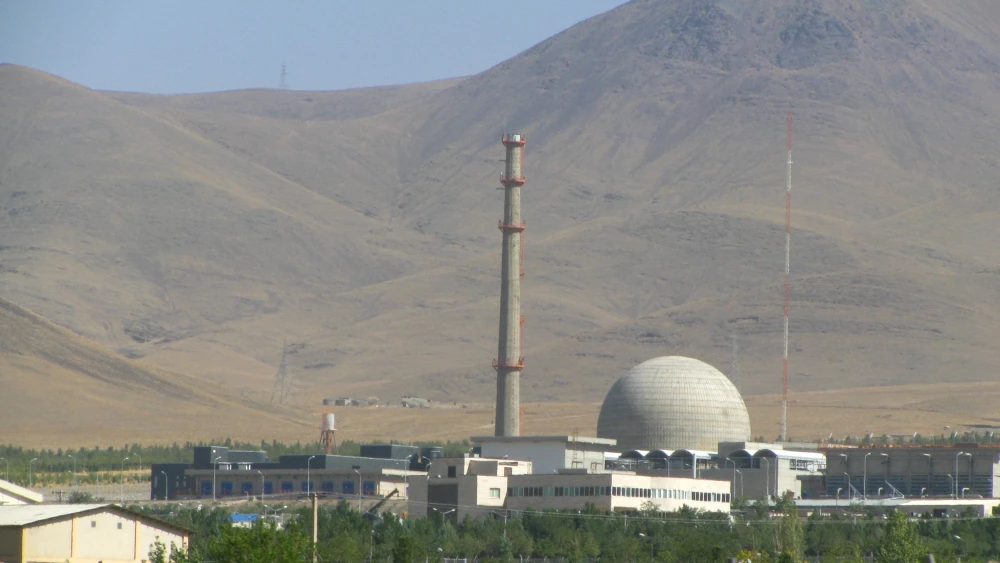
The International Atomic Energy Agency on Sunday confirmed that the heavy water production plant at Khondab, near Arak, which Iran reported had been attacked on March 27, has sustained severe damage.
The U.N. nuclear watchdog said that the facility “is no longer operational,” adding that the site contains no declared nuclear material.
Based on independent analysis of satellite imagery and knowledge of the installation, the IAEA has confirmed the heavy water production plant at Khondab, which Iran reported had been attacked on 27 March, has sustained severe damaged and is no longer operational. The installation… pic.twitter.com/omnomOmsNQ
— IAEA - International Atomic Energy Agency ⚛️ (@iaeaorg) March 29, 2026
The plant was struck during “Operation Rising Lion” in June.
However, the Israel Defense Forces said on Saturday that it was hit once more after efforts to fix damage were detected by the Military Intelligence Directorate.
The facility was struck during three waves of attacks across Iran on March 27, carried out by more than 50 Israeli Air Force aircraft.
The plant was originally “designed to have the capability to produce weapons-grade plutonium. These materials are also used as a source for extracting neutrons for nuclear weapons. In addition, the plant served as a significant economic asset for the terrorist regime and was a source of income for the Iranian Atomic Energy Organization. Its operations generated tens of millions of dollars annually for the regime,” the IDF Spokesperson’s Unit said in a statement over the weekend.