The Israel Defense Forces said on Wednesday it had struck more than 150 targets belonging to Lebanon’s Iran-backed Hezbollah terror group in the past day.
The strikes in Southern Lebanon’s Tyre and Nabatieh areas, as well as in the Beqaa Valley, targeted Hezbollah “infrastructure sites and terrorists,” according to the statement.
בצור, בנבטיה ובבקעא: צה"ל תקף לאורך היממה האחרונה יותר מ-150 תשתיות טרור ומחבלים של ארגון הטרור חיזבאללה
— צבא ההגנה לישראל (@idfonline) May 27, 2026
צה"ל ממשיך לתקוף תשתיות טרור ומחבלים של ארגון הטרור חיזבאללה pic.twitter.com/cjACkAlR0l
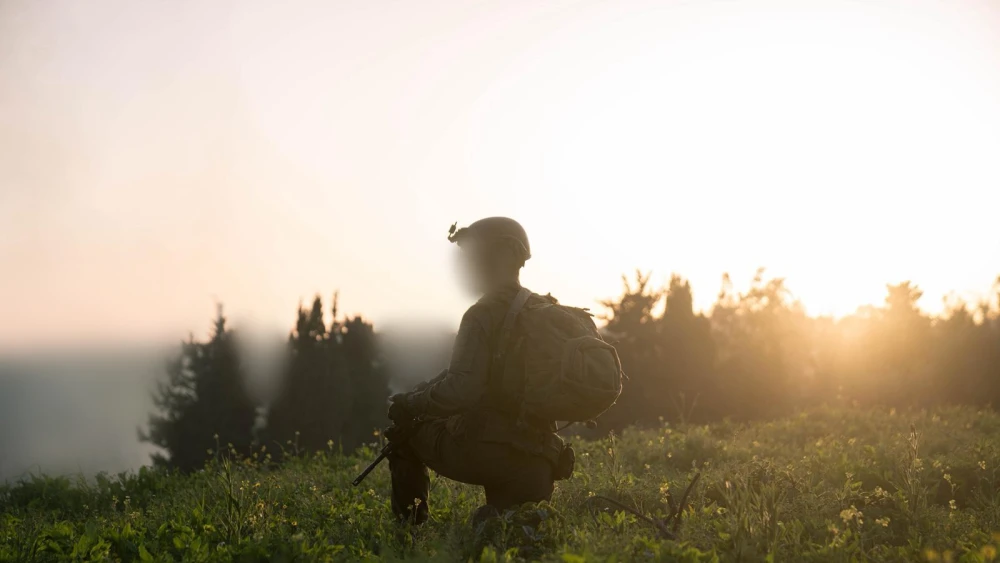
During one operation in Southern Lebanon, IDF troops identified a Hezbollah terrorist attempting to retrieve a drone, the army said in a separate announcement.
“In a swift defensive response, an Israeli Air Force aircraft struck and eliminated the terrorist,” it stated.
“The Israeli Air Force will continue to operate in defense of and in support of IDF troops in Southern Lebanon,” concluded the statement.
תיעוד מיוחד: סגירת מעגל על מחבל שהפעיל כלי טיס בלתי מאויש בדרום לבנון
— צבא ההגנה לישראל (@idfonline) May 27, 2026
במסגרת פעילות כוחות צה״ל בדרום לבנון, כלי טיס של חיל האוויר זיהה באוויר כלי טיס בלתי מאויש, שהיווה איום על כוחותינו במרחב.
כלי הטיס הבלתי מאויש נחת, ומחבל מארגון הטרור חיזבאללה הגיע לאסוף אותו. בסגירת מעגל… pic.twitter.com/VNZM9ZEQAd
Israeli Prime Minister Benjamin Netanyahu announced on Tuesday night that he had ordered the IDF to expand ground operations against Hezbollah.
Hezbollah continued its attacks on the Jewish state with drones throughout the day on Wednesday, repeatedly triggering air-raid sirens in the country’s north.
After alerts were activated in the border town of Shlomi on Wednesday afternoon, the IDF confirmed that several suicide drones had impacted inside Israeli territory. No injuries were reported in the aerial assaults.
In addition, the Israeli Air Force intercepted several “suspicious aerial targets” over the IDF-controlled skies of Southern Lebanon, the military said. One interception triggered air-raid sirens in the Rosh Hanikra and Betzet areas.
Iranian-backed Hezbollah began firing rockets and drones at Israel on March 2, following the targeted killing of Iranian Supreme Leader Ali Khamenei during the opening stages of “Operation Roaring Lion” on Feb. 28.
In response, Israel launched a broad aerial campaign against Hezbollah targets and expanded military operations in Southern Lebanon aimed at preventing cross-border attacks on Israeli communities.
Netanyahu on April 26 accused Hezbollah of “essentially disintegrating” the fragile truce, which was extended for another 45 days earlier this month.
“Therefore, as far as we are concerned, what obligates us is the security of Israel, the security of our soldiers, and the security of our communities,” the prime minister said. “We are acting vigorously according to the rules we agreed upon with the United States, and incidentally, with Lebanon as well.”