
Narratives are built from words that gradually become the truths societies live by. Their authority in today’s world has only increased. From nursery rhymes to philosophy, words build belief. Each of us is a wordsmith crafting ideas.
Historically, trends and ideas come and go. Once, slavery was accepted as a societal norm in America. Then, four concerned Quakers crafted the Germantown Quaker Petition Against Slavery in 1688, sparking an almost 200-year smolder that contributed to the abolishment of the institution.
Few would say the issue is one of mere opinion. We understand that some things are inherently wrong. Today, there is no serious discussion of the merits of slavery. The language of four Quakers helped begin a moral transformation that took centuries to fully unfold.
And today, we find no less contention about other issues than we did hundreds of years ago. Politics, policy and the understanding of history (even well-documented history) are ever open to debate, perspective and opinion. The use of language again is key.
The challenge to accepted societal norms of 1688 is no less cogent now than in the past. Currently, however, the immediacy and volume of language inhibit its deep reflection. The competition to shape narratives rewards speed more than accuracy, weakening trust in public language itself. At the same time, it appeals to our vulnerabilities.
I practiced and taught psychotherapy for more than 40 years and learned that the narratives we tell ourselves acquire emotional truth independent of evidence. Public discourse can function similarly. Algorithmic reinforcement creates emotional acceleration, particularly regarding our fears.
We are collectively vulnerable to fear-inducing innuendo and misinformation, intentional or accidental. This might be the defining danger in the contemporary public square. We have less time to digest what we’re being told or what we tell others. We respond with narratives that calm our experience of vulnerability. The zero-sum environment in which we now live sharpens the divide. This creates openings for malign actors to take advantage of an unstable field. And they certainly have.
Modern narratives increasingly compete not simply to persuade, but to activate fear. Fear accelerates moral certainty, compresses nuance and rewards emotionally satisfying explanations before evidence has fully settled.
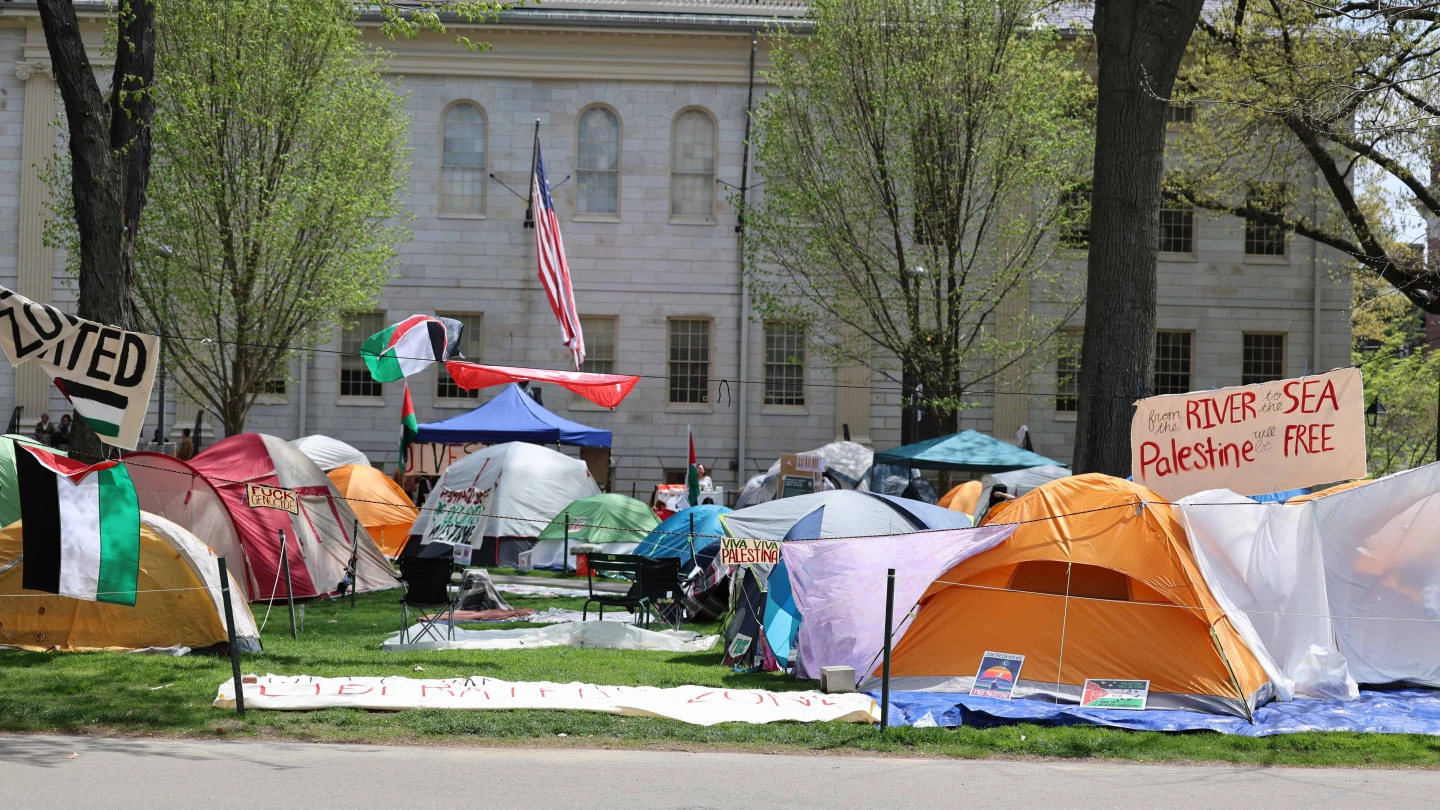
We are constantly peppered with compelling strings of “breaking news.” One of the many in recent times was the report that Israel deliberately targeted 500 civilians at a Gaza hospital at the beginning of Israel’s war with Hamas following the Hamas-led terrorist attacks on Oct. 7, 2023. The tragedy demonstrated how quickly unverified wartime claims, emotionally aligned with an emerging moral narrative, can acquire institutional legitimacy before evidence is fully examined.
The emotional implication was that we should fear unrestricted genocidal urges against the helpless. Terms such as “white imperialism,” “settler-colonialism” and “Islamophobia” became attached to an already emerging verbal framework in many quarters. Extreme as these words are, they added to a narrative that has long been percolating. The language used did damage that cannot be retrieved.
Recently, particularly inflammatory accusations involving systematic sexual violence by Israel have circulated globally. One fears such claims may also acquire emotional and cultural permanence long before the underlying evidence, methodology and inferential leaps behind them are carefully scrutinized.
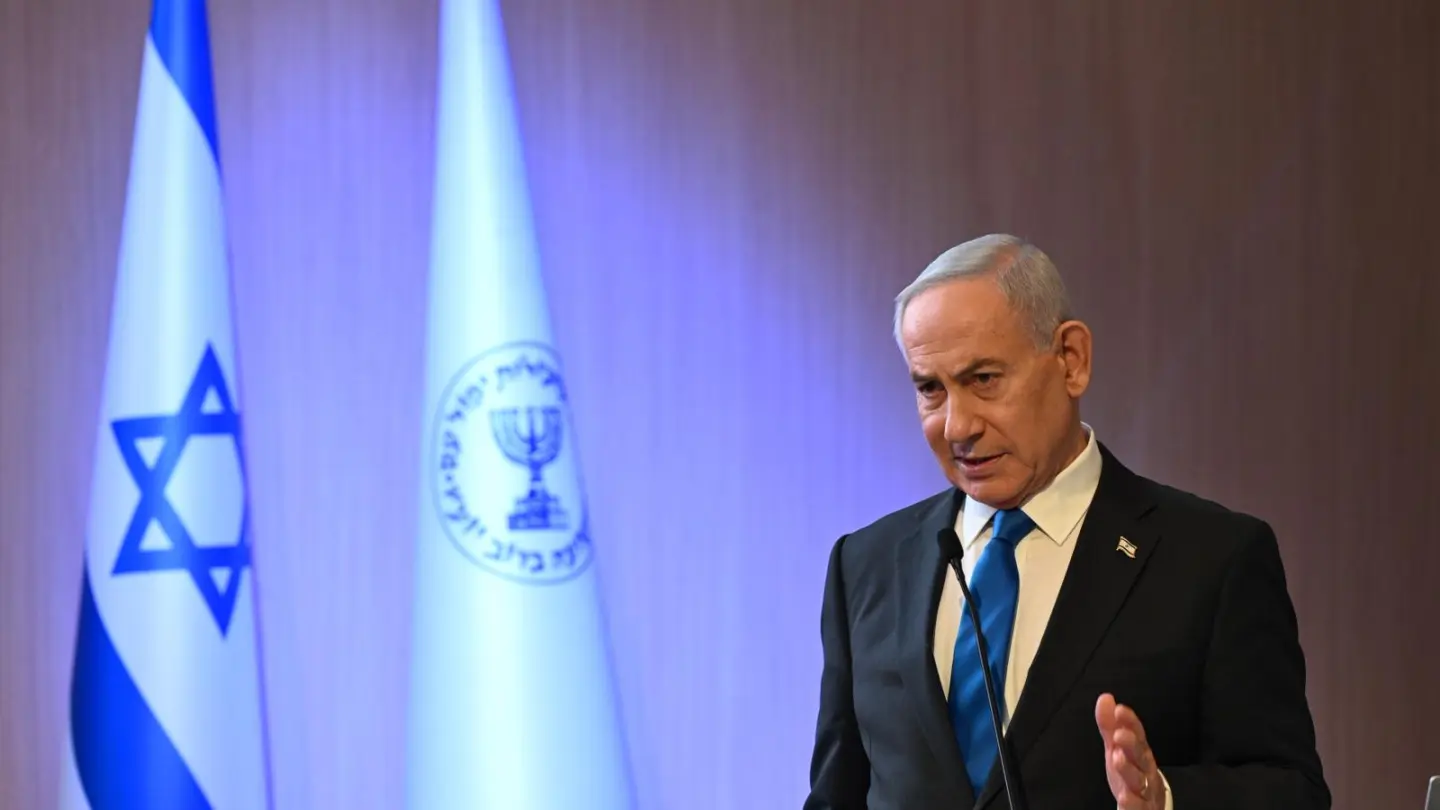
And now, we see a new facet of this phenomenon: acknowledgment of Oct. 7 with immediate linkage to “the genocide” declared and rapidly adopted by respected individuals and organizations. This new formulation—“Oct. 7 and the genocide” spoken in one breath—is gradually entering the moral vocabulary. Those predisposed to interpreting Israel through a colonial-genocidal framework can now condemn Oct. 7 while subordinating it beneath the specter of Israel’s genocidal actions.
This phrase simultaneously accepts and rejects Jewish and Israeli suffering. It acknowledges and immediately subsumes suffering beneath the emotionally charged accusation of “genocide.”
Indeed, the war in Gaza has been dramatically tragic. Such outcomes are among war’s oldest realities. The central concern is the use of language that co-opts an acknowledgement of Israel’s suffering into the reason for attacking it. Genocidal claims that predate the war were now picked up and repeated, creating a circular truth.
Language inflation is not new. Snake-oil salesmen seen in just about any good Western proved that exaggeration pays, and Madison Avenue followed the lead. Hyperbole is hard to prove and harder to disprove, and unproven statements can harden into accepted truths. These new narratives now feed dormant fear and concern with broad leaps of logic. Accusations once directed primarily at Israeli policy too frequently spill outward onto Jews more generally, collapsing distinctions between state, identity, politics, religion and ethnicity.
The use of language without deep consideration of its ethical impact contributes to the slow erosion of truth and moral clarity. Repeated assertions, especially when institutionally reinforced, can gradually acquire the emotional weight of truth, evidence and data notwithstanding.
The danger of this is not limited to the politics of the Middle East. Everyone is vulnerable to linguistic manipulation. The concern is that once introduced, the remaining residue of suspicion can never be fully quashed. Something, it is assumed, must be amiss.
Healthy societies do not fear moral language. But they should fear the moment when language becomes so ideologically fixed that contested interpretations are no longer experienced as arguments, but as moral certainties.