Newsletter
Newsletter Support JNS

Israel extends wartime restrictions for civilians ahead of Passover

The holiday, which commemorates the Exodus from Egypt and runs from April 1 through 8, often sees large family gatherings and an increase in domestic travel.

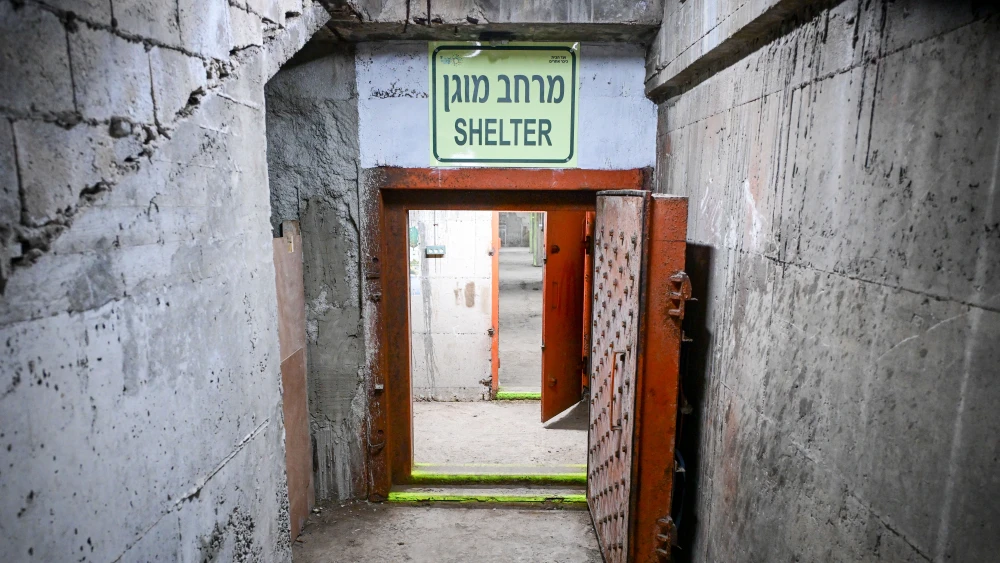
A large public bomb shelter in central Tel Aviv, March 20, 2026. Photo by Avshalom Sassoni/Flash90.

The Israel Defense Forces’ Home Front Command on Monday extended existing restrictions on civilian life throughout the initial days of Passover, which starts at sundown on Wednesday.

“The Home Front Command defensive guidelines remain unchanged and in effect until Saturday, April 4, 2026, at 20:00,” the military stated.

Under the guidelines in place across much of the country, public gatherings are capped at 50 people, provided a bomb shelter can be reached in time, with workplaces permitted to operate under the same conditions, while less restrictive areas allow gatherings of up to 100.

“During the upcoming days, the Home Front Command will continue to examine possible adjustments of the guidelines across all areas, with an emphasis on education and the restrictions on gathering, in order to balance saving lives and emergency routine procedures,” the military stated. “If there are changes, the Home Front Command’s defensive guidelines will be updated and published to the public through the official channels, in accordance with the situational assessments.”

Passover, which commemorates the Jewish Exodus from Egypt and runs from April 1 through 8 in Israel, often sees large family gatherings and an increase in domestic travel.


Abdulkadir Al-Jelani, 58, is due in court on July 1 and faces charges of making the threats and three counts of assault with a weapon.
The designations include Hezbollah-linked institutions that “threaten regional stability, international security, mutual interests and global trade,” the U.S. Treasury Department stated.
Gerard Filitti, of the Lawfare Project, told JNS that “lax immigration policy” has always been the main driver of importing “terrorist ideology” into the United States.
“The teachers we have, we don’t respect and support in the way that they deserve,” Paul Bernstein told JNS. “If we’re successful and we grow enrollment, that problem only gets bigger.”
“The message being sent is that you can get away with attacking someone in broad daylight because you disagree with their opinions, especially if it involves feelings about Israel,” Joshua Burt, of the Anti-Defamation League, told JNS.
“Not identifying Hamas as a terrorist organization is, I think, a failure, Marc Miller told the Canadian Press. “And not clearly stating that, for example, Hamas intended to kill Jews is, I think, an unfortunate error in curation and should be rectified.”