Newsletter
Newsletter Support JNS

Israel funds Internet access for public shelters

New initiative by Israeli ministries seeks to connect frontline shelters, ensuring continuous communication during emergencies.

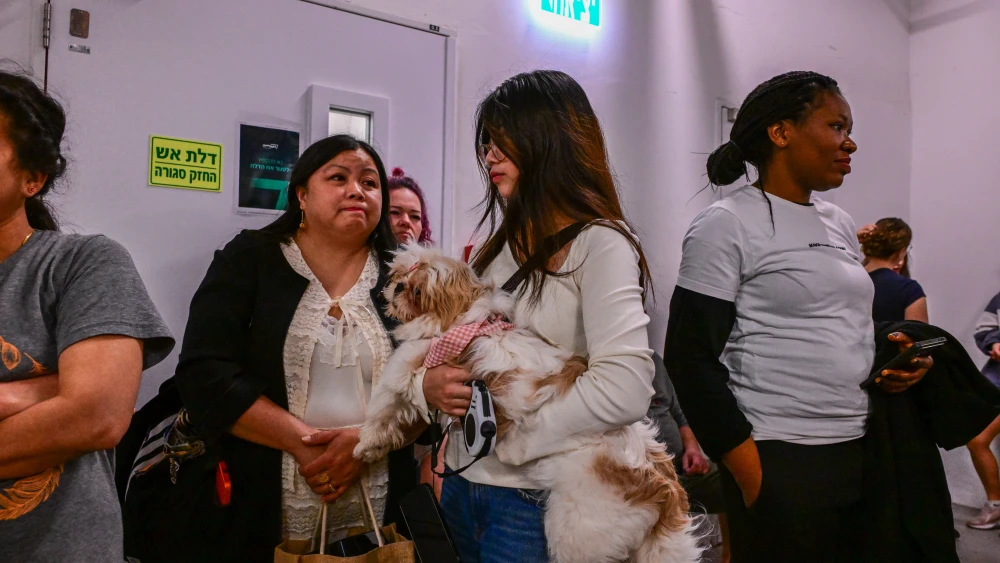
People take cover from incoming missiles fired from Iran, in Tel Aviv, March 4. 2026. Photo by Avshalom Sassoni/Flash90.
People take cover from incoming missiles fired from Iran, in Tel Aviv, March 4. 2026.
Photo by Avshalom Sassoni/Flash90.

Israel’s Communications Ministry, Negev, Galilee and National Resilience Ministry and the country’s National Emergency Authority announced on Thursday a joint initiative to connect public shelters on the front lines to the internet.

The program allocates a designated budget to expand existing emergency equipment funding, adding critical communications infrastructure to protected spaces.

Israeli Communications Minister Shlomo Karhi said the move recognizes that “continuous communications infrastructure in shelters is not a convenience but a life-saving necessity.”

Negev and Galilee Minister Yitzhak Wasserlauf said connecting shelters to the internet ensures citizens stay informed and in touch during emergencies, adding one million shekels to the ministry’s current 10 million shekel ($3.2 million) budget for frontline shelters.

The initiative, coordinated with local authorities, aims to maintain citizens’ access to real-time safety instructions, family contact and work continuity during extended stays in protected areas—a step officials call vital to strengthening Israel’s national resilience.

“Our police officers were placed at significant risk being in a gunfight armed with 9 mm Glocks against long arms,” the New South Wales Police deputy commissioner told an antisemitism inquiry.
“The city has been overrun with people openly calling for ‘intifada,’ which is Jew-hate,” a participant told JNS. “The city should be safe for everyone.”
“The evil structure of the Ayatollah regime has been significantly cracked,” said the IDF chief.
The United States has maintained an unprecedented military air presence in Israel since the start of the war.
The detainee is the eighth held in connection with the death of two Jews in a jihadist attack in October.
The strikes in Southern Lebanon, as well as in the Beqaa Valley, targeted infrastructure and operatives.