Israeli researchers have developed a life-saving smartphone application for highly allergic people that will help come to the rescue in an emergency.
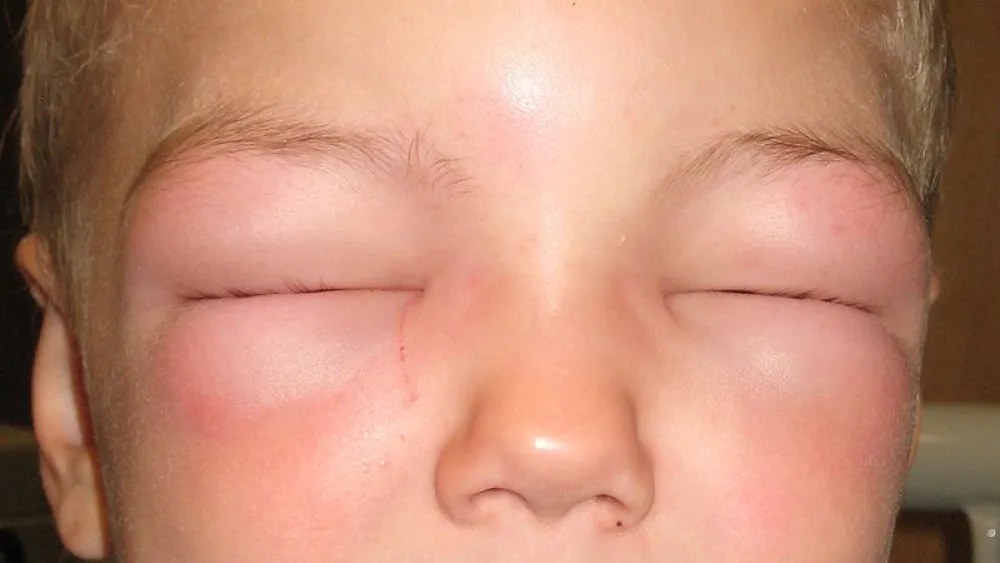
The app is meant to serve the millions of allergy sufferers at high risk of going into anaphylactic shock if they don’t get epinephrine shots (EpiPen), a pen-like personal-injection system that delivers the life-saving medication. There are 20,000 allergy sufferers in Israel who have been prescribed portable epinephrine pens.
Aware that many allergy patients, including children, find themselves in a medical emergency far from their medication, Bar-Ilan University Professor David G. Schwartz, and doctoral students Michael Khalemsky and Michal Gaziel Yablowitz of the univerity’s School of Business Administration, developed the “EpiMada” app to connect hundreds of high-risk allergy sufferers.
In the event of an allergy emergency, the sufferer activates the app, which dispatches the nearest registered user to dispense his own personal dose of the vital medicine. Based largely on the same system as Gett Taxi or Uber, the app could save the sufferer valuable minutes that it would have taken emergency medical personnel to arrive.
The team’s research indicated that allergy patients “are highly motivated to give their personal EpiPen to patient peers in immediate need, something generally uncommon among total strangers,” said Yablowitz in an interview with JPost. “The fact that Epimada is a downloadable and carefully monitored mobile community opens the door to exciting research into the behavior and benefits of emergency response communities.”