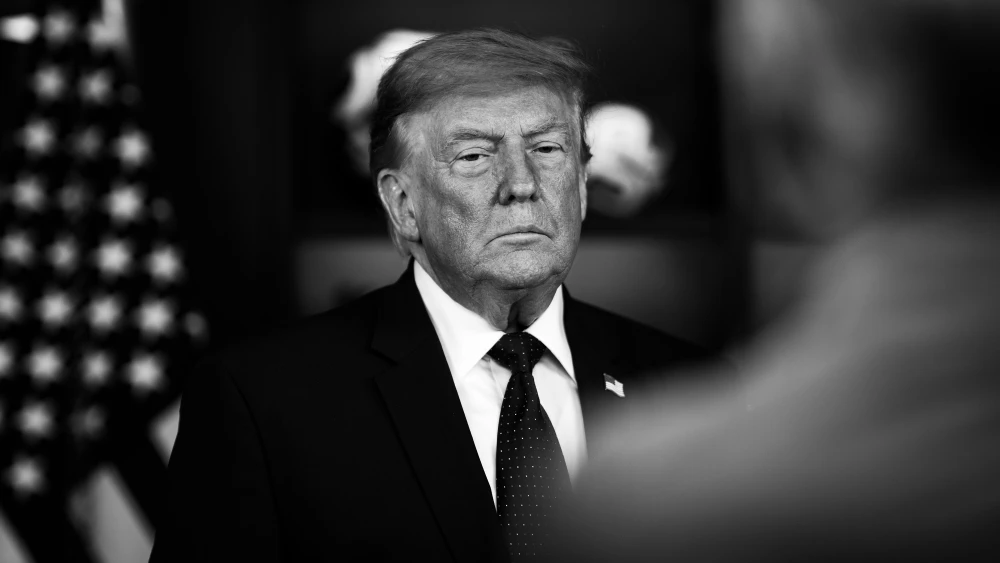
U.S. President Donald Trump said on Tuesday that the United States will continue its military campaign against Iran, arguing that a withdrawal now would allow Tehran to recover its capabilities.
“We’re not leaving right now,” Trump said during a White House meeting with Lebanese President Joseph Aoun. “If we left right now, it would take Iran 20, 25 years to rebuild. And we’re not finished at all.”
Trump said Iran “can’t have a nuclear weapon” and warned that the United States would strike additional sites if it believed they were connected to Tehran’s nuclear program.
“We’ll hit that site,” Trump said. “Any site where they’re even thinking about nuclear, we’ll be hitting it very, very powerfully.”
The president said Iran would need decades to recover from damage caused by U.S. strikes, while adding that the campaign had already achieved significant results.
“If we left tomorrow, we had a big success,” he said. “But we’re not leaving tomorrow.”
Trump’s comments came during his meeting with Aoun, who was visiting Washington as Lebanon seeks U.S. support for efforts to stabilize the country and address Hezbollah’s role in the region.