Newsletter
Newsletter Support JNS

Iran envoy: Hormuz to stay open; transit fees may be imposed

Tehran says it could charge for passage along with Oman.

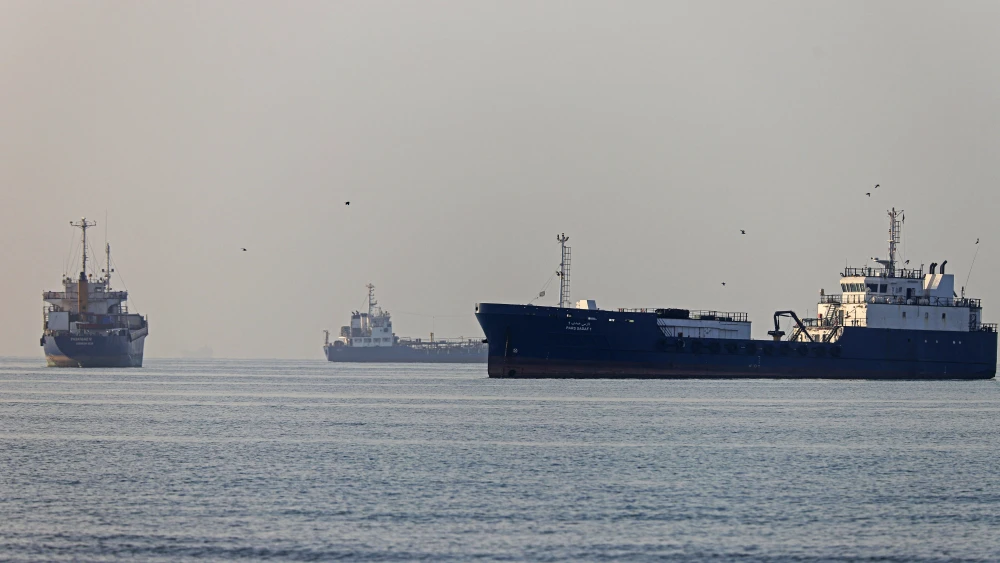
In this picture obtained from Iran's ISNA news agency on June 1, 2026, vessels sail at Suru Beach in Bandar Abbas along the Strait of Hormuz. Photo by Amirhossein Khorgooei/ISNA/AFP via Getty Images.
In this picture obtained from Iran’s ISNA news agency on June 1, 2026, vessels are seen at Suru Beach in Bandar Abbas along the Strait of Hormuz. Photo by Amirhossein Khorgooei/ISNA /AFP via Getty Images.

Iran’s ambassador to Moscow said the Strait of Hormuz will remain open but could operate under new conditions set by Iran and Oman, including possible transit fees, according to remarks published on Monday.

Reuters reported that Kazem Jalali told Russia’s Izvestia that Tehran and Muscat may charge vessels for services related to passage through the strategic waterway, without detailing how fees would be structured.

The strait, which previously carried about one-fifth of global oil supply, has seen sharply reduced traffic amid the ongoing U.S.-Israel war with the Islamic Republic, though some tankers have recently transited.

Washington has opposed any move to impose tolls. U.S. officials in late May warned Oman against cooperating with the Iranian regime on such measures, and said Muscat had indicated no plans to introduce fees.

Activists are growing violent and jeopardizing their safety and that of soldiers, security source tells JNS.
“The terror against the communities is escalating to a very dangerous stage,” the head of Mount Hebron Regional Council said.
The offender is reportedly a public servant out on bail for staging a fake bomb threat outside a synagogue in Sydney.
Radars and missiles of Rafael Advanced Defense Systems and Israel Aerospace Industries will form the bulk of the arms involved in the contract.
The U.S. congressman’s visit underscores the need for a national strategy to counter political provocation, coordinated influence operations, and the erosion of Israel’s diplomatic legitimacy.
“Our immigration policy does not recognise the State of Israel or the Zionist regime. This has long been our ⁠position.”
