
I awoke early on Friday not to the quietude of the second day of Passover or the new normal of non-trafficked streets, but to the sound of a buzz saw.
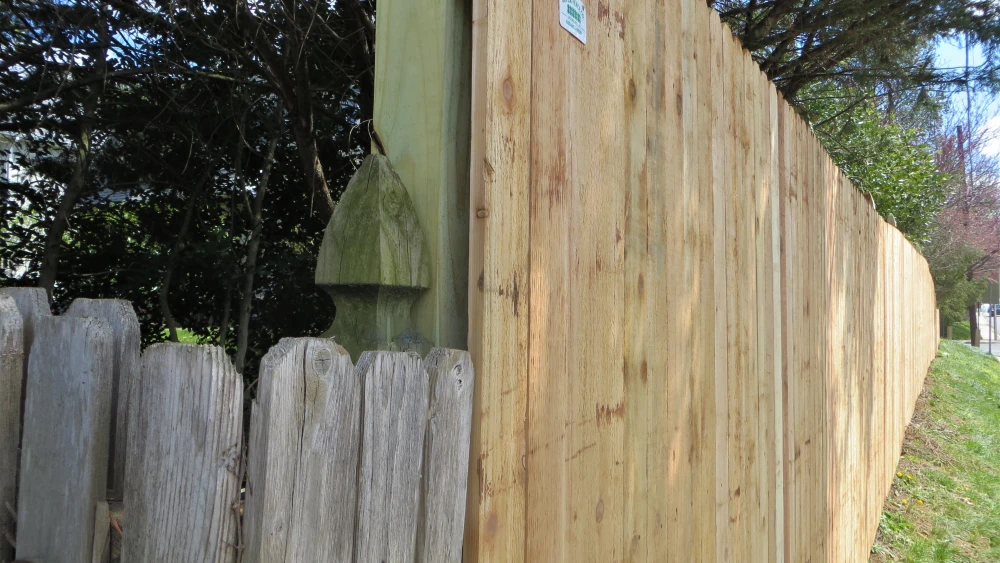
Peeking out the window, I saw a group of workmen ripping down my fence. My old fence, that is—the one that a car lodged into this past January in another of a series of vehicular accidents that take place regularly at my usually busy four-way corner.
It’s something the township is “working on.” This was the third time in six years that the fence guys have come.
It being Passover and Good Friday, I was concerned that the racket would bother the neighbors. Quite the contrary! People poked their heads outside their doors to take a look and give a nod, seemingly at ease with the noise. Finally, something productive was taking place.
But get this. In the midst of it all, it started snowing. Little flakes came down on April 10 in between intermittent sunshine. It certainly isn’t unheard of in the U.S. Northeast, but after the winter we had (or lack thereof), it was like spite coming down.
Sorry, men at work; just to make it a tad harder for you during a worldwide pandemic, there will be snow and strong winds. Take that, humans, and what little outdoor livelihood there is these days.
The project took about six hours. I didn’t have to pay the men (it was all worked out through insurance) or even interact with them (though we did thank them, of course). We occasionally watched their progress as sets of wooden planks and Gothic-style posts went up one after another. Late in the afternoon when they had left, we walked out to admire their handiwork.
It’s a really nice fence.
And a way of making lemonade out of lemons.
Still, something tells me, the cynic, that they will be back again to make repairs one day.
That same cynic awoke three days later, on Monday, to the news that tornadoes—with super- strong winds—were headed our way. Hail (barad …) in some places. It’s even quieter outside than usual—the new usual, that is. Even if we could go out, which we can’t because of the weather, there’s nowhere to go being that everything is closed.
It’s fitting for these intermediate days of the holiday, feeling the after-effects of all those plagues, of the parting of the sea, the wandering in the desert. The test, time and again, of our resilience—of our need to believe that things will get better.
We’re all waiting for sunnier times—for such rays to slice through the slats of our brand-new cedar stronghold, casting light on those who pass by it on the sidewalk beyond.
Maybe good fences do make good neighbors, after all.
Carin M. Smilk is the managing editor of JNS.
This Reporter’s Notebook will appear starting on March 16 until the end of the month (or when schools reopen).