
In the hierarchy of global crises, attention is rarely distributed according to severity. It is shaped by narrative convenience, geopolitical interest and media amplification. As a result, some of the most devastating humanitarian emergencies unfold in relative obscurity.
Nigeria is one of them.
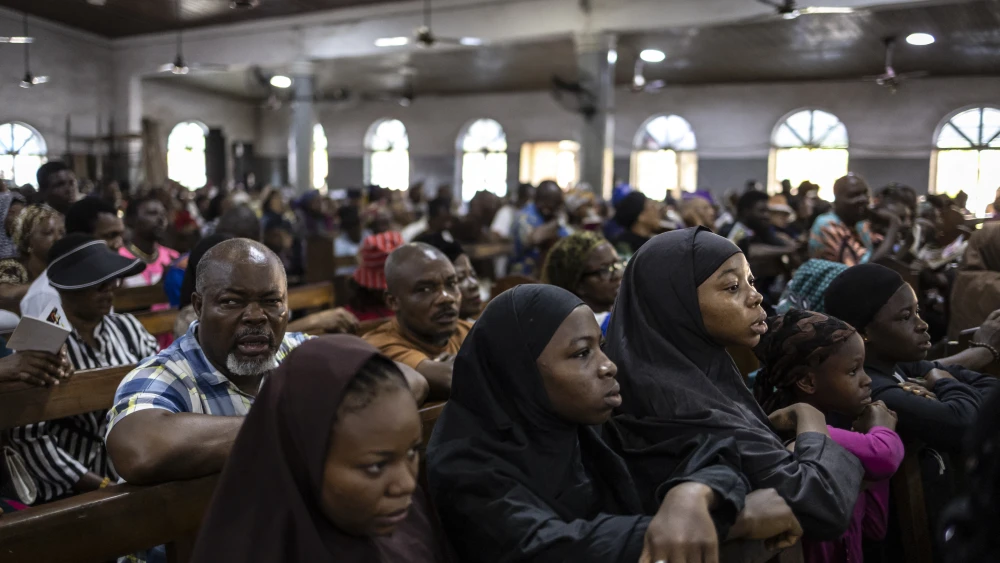
Across large swaths of the country—particularly in the Middle Belt and northeastern regions—violence against Christian communities and other vulnerable populations has reached levels that, by any objective standard, should command sustained international focus. Villages have been razed, churches systematically destroyed, and civilians subjected to mass killings, torture, rape and abductions. Yet this crisis remains persistently underexamined in global discourse.
Recent reporting underscores both the scale and immediacy of the threat. In recent months, attacks have intensified across multiple regions. In Plateau State, coordinated nighttime assaults and brutal raids on rural Christian communities left dozens dead, with homes burned and survivors displaced. In Kaduna State, mass kidnappings of worshippers during church gatherings have continued, with victims taken into remote areas, subjected to violence, abuse and rape, while survivors are held for ransom and forced conversion to Islam.
Similar patterns are emerging beyond Nigeria’s borders, including deadly assaults on Christian communities in Burkina Faso and Mozambique, where Islamist insurgencies have expanded their reach. These incidents reflect a sustained and coordinated pattern of targeted violence, justified by perpetrators through Sharia law.
The broader data is even starker. Islamic groups killing Christian communities and individuals internationally have become increasingly prevalent, with the number and severity of violent incidents against Christians, including in Somalia, Yemen, Sudan, Eritrea, Syria, Pakistan, Libya, Iran and Palestinian territories. Nigeria has been listed as one of the world’s worst nations in which Christians are killed for their faith. This is not a marginal statistic; it defines the global landscape of religious persecution.
The perpetrators of this violence are not uniform, but their ideological orientation is consistent. Groups such as Boko Haram and the Islamic State West Africa Province, identified in U.S. State Department terrorism reporting, have entrenched Islamist insurgency across northeastern Nigeria. Their tactics—suicide bombings, kidnappings and attacks on places of worship—are not only acts of terror but instruments of ideological enforcement.
Yet focusing exclusively on internationally designated terrorist organizations risks obscuring a broader and equally consequential dynamic. Armed militias operating in Nigeria’s Middle Belt—often reductively framed as participants in “herder-farmer conflict”—have carried out sustained attacks on agrarian communities, many of which are Christian. While environmental pressures and land disputes are real, the repeated destruction of churches, the killing of clergy, and the targeting of worshippers point to a dimension that cannot be dismissed as incidental.
This distinction is not semantic; it is strategic.
Mischaracterizing the nature of the violence leads to misaligned policy responses. When religious persecution is reframed as purely economic or environmental conflict, the ideological drivers remain unaddressed, and the victims remain unprotected.
The humanitarian consequences are profound. Tens of thousands have been killed over the past decade, with millions displaced internally. Entire communities have been depopulated, creating long-term demographic and security implications that extend far beyond Nigeria’s borders, reshaping the composition of entire regions.
Abductions, forced slavery, forced conversion to Islam and human trafficking—often targeting women and children—have become a defining feature of the crisis, reinforcing a climate of perpetual fear.
These patterns raise serious questions about whether the violence functions not only as terror, but as a mechanism of territorial reconfiguration—reshaping the religious and cultural composition of strategic areas over time.
And the reality has not gone unnoticed by policymakers. Despite this, international responses have remained largely reactive, fragmented, and insufficient. In some cases, policy decisions have signaled a disconnect between documented atrocities and diplomatic prioritization, raising concerns about whether strategic interests are outweighing the defense of religious freedom.
Repeated warnings on religious freedoms being threatened by Islamic terror have highlighted systematic and ongoing violations of religious liberty in Nigeria, while legislative efforts in Washington signal growing recognition of the severity of the crisis.
And yet, global engagement remains inconsistent.
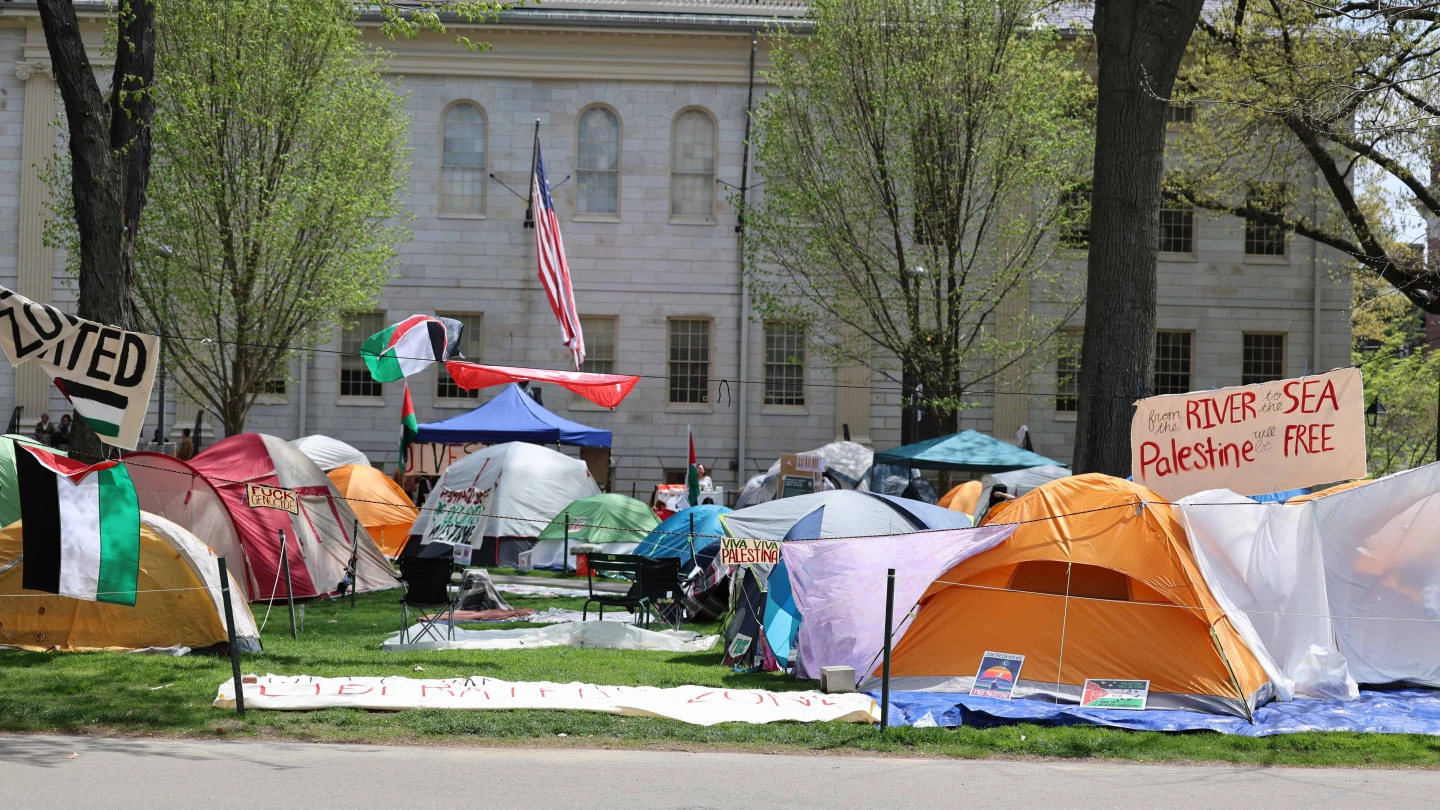
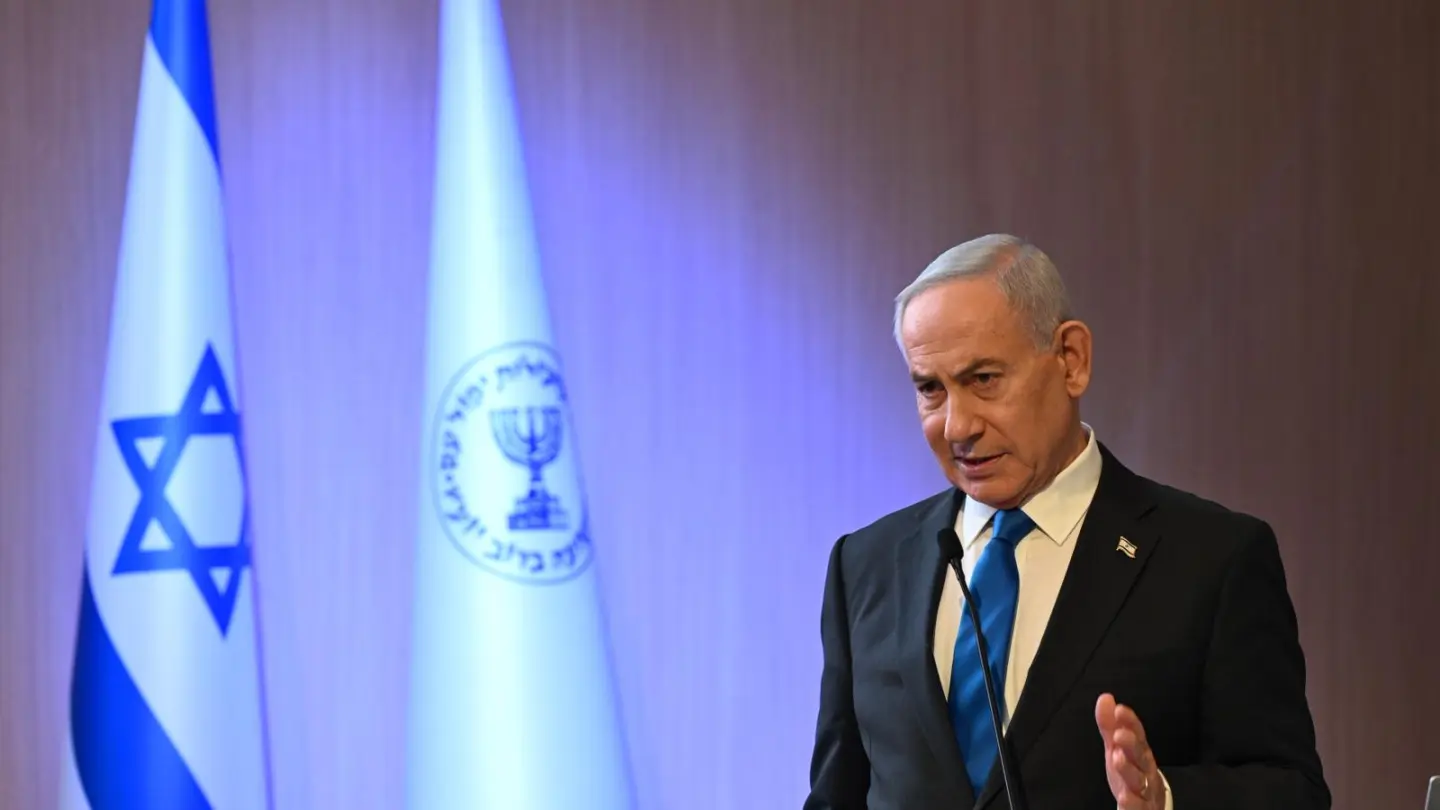
This inconsistency is not accidental. It reflects a broader pattern in international discourse in which certain forms of violence are rapidly politicized and amplified, while others—particularly those that complicate dominant ideological narratives—are minimized, reframed or ignored. The systematic targeting of Christian communities by Islamist actors does not align neatly with prevailing frameworks of oppression and victimhood, and as a result, it is too often deprioritized.
This inconsistency raises fundamental questions about the architecture of international human-rights advocacy. Why do some crises catalyze immediate and sustained mobilization, while others, despite comparable or greater levels of violence, remain peripheral?
Part of the answer lies in what may be described as narrative friction. The Nigerian crisis does not conform neatly to prevailing ideological frameworks. It complicates dominant assumptions about power, victimhood and the sources of extremism. Acknowledging the role of Islamist violence in this context requires analytical clarity—something that many institutions appear reluctant to apply consistently.
The relative absence of sustained global attention is not due to a lack of evidence, but a lack of narrative alignment. The cost of that reluctance is measured in human lives lost.
Religious freedom, codified in international law and foundational to democratic societies, is not a conditional principle. It is not contingent on geography, political alignment or narrative convenience. It is a universal right—the freedom to believe, to worship and to live without fear of persecution.
For Christian communities worldwide, as well as the institutions that represent them, this crisis presents a test of engagement and responsibility. Religious freedom cannot be defended selectively or abstractly; it requires sustained attention, coordinated action and a willingness to confront uncomfortable realities. Faith-based organizations, civil society leaders and policymakers must be more active in elevating awareness of this crisis within global discourse and ensuring that religious persecution is neither minimized nor ignored.
In Nigeria, that right is being systematically eroded.
The implications extend well beyond national borders. The tactics employed—mass abductions, targeted killings of civilians and attacks on houses of worship—are consistent with Islamist terror campaigns observed globally. Yet unlike other theaters of conflict, Nigeria has not generated the same sustained international urgency or strategic focus.
As Africa’s most populous country and a critical regional actor, Nigeria’s instability carries cascading effects: increased displacement, expanded operational space for extremist groups, and heightened risks to regional and global security. What is unfolding is not only a humanitarian crisis; it is a strategic one. The failure to address it decisively risks further destabilization, expanded extremist networks and long-term regional insecurity.
The international community faces a dual imperative: to acknowledge the crisis in its full complexity—recognizing both its local drivers and ideological dimensions—and to respond with seriousness to protect vulnerable populations facing systematic violence. That response must include sustained diplomatic engagement, conditional security cooperation tied to civilian protection, robust support for accountability mechanisms and targeted security operations against designated Islamic terrorist organizations.
Equally important is the role of media and civil society. Sustained attention is not merely a function of events; it is a function of prioritization. When coverage is sporadic, accountability becomes optional.
Nigeria today represents more than a regional conflict. It is a test case for the credibility of global commitments to human rights and religious freedom.
If the systematic targeting of communities on the basis of faith does not meet the threshold for sustained international action, then the threshold itself must be questioned. Because what is at stake is not only the future of vulnerable populations in Nigeria, but the integrity of the principles the international community claims to uphold.
What is required now is not only recognition, but sustained and coordinated engagement—from governments, institutions and communities that claim to uphold the principle of religious freedom, including Christian leaders and organizations entrusted with safeguarding the security and future of Christian communities worldwide.
Silence, in this context, is not neutrality. It is a policy choice, one measured in human lives. And it is a choice that the world can no longer afford.