The Israel Defense Forces eased security restrictions in Beersheva, Ashdod, Ashkelon and the Gaza periphery on Monday morning, all but confirming the institution of a ceasefire between Gaza leadership and Israel.
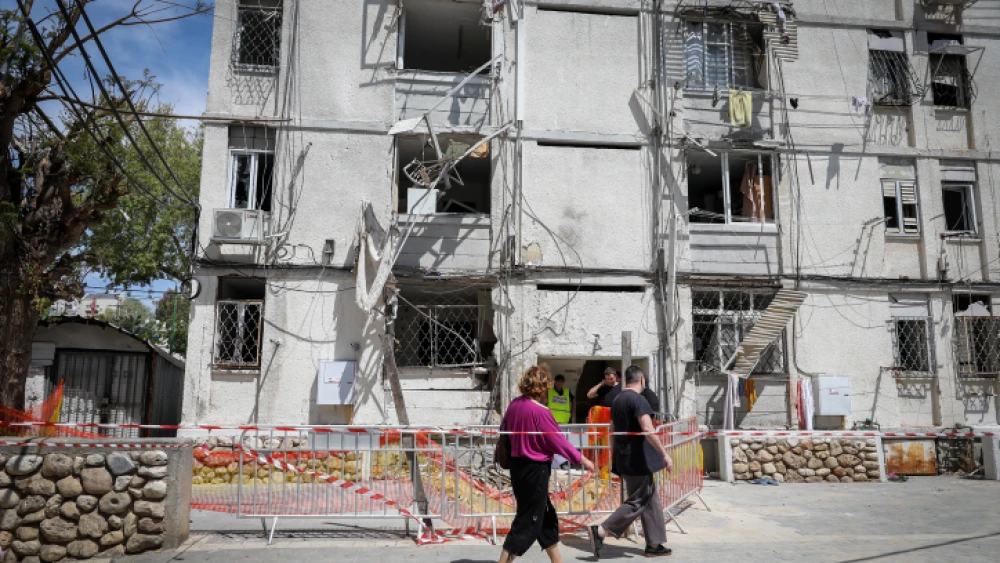
Since the latest round of rocket fire from Gaza began on Saturday, Hamas and Palestinian Islamic Jihad have launched an estimated 700 rockets at Israeli civilian population centers. Four Israelis have been killed, and 234 people have been treated for injuries and trauma at Barzilai Medical Center in Ashkelon and Soroka Medical Center in Beersheva.
Beersheva, Ashdod and the Bnei Shimon Regional Council decided to reopen schools on Monday, and the Be’er Tuvia Regional Council east of Ashdod decided to start school an hour later than usual. Ben-Gurion University of the Negev announced classes would only begin at noon.
The Ashkelon Municipality and the Sha’ar HaNegev Regional Council to the north of Gaza decided their schools would not be opened on Monday.
The terms of the ceasefire, which allegedly began at 4:30 a.m., were not publicized. Israel reportedly responded throughout the barrage by striking Hamas observation posts, warehouses and weapons’ facilities in Gaza.
Reports from Gaza indicate that 23 Gazans were killed and 60 wounded in the Israeli airstrikes.