Republican presidential candidate Donald Trump met on Sunday with Qatar’s Prime Minister Sheikh Mohammed bin Abdulrahman Al Thani at the former president’s Florida resort.
He also met with Qatari emir Sheikh Tamim bin Hamad Al Thani.
“The Amir has proven to be a great and powerful leader of his country, advancing on all levels at record speed,” Trump posted to his social media platform Truth Social.
“He is someone also who strongly wants peace in the Middle East, and all over the world. We had a great relationship during my years in the White House, and it will be even stronger this time around!”
As president, Trump had at times both criticized Qatar for supporting terrorism and praised it for taking “action to counter terrorism and extremism in all forms.”
The Biden administration has looked to Qatar as a mediator in ceasefire-for-hostages talks between Israel and Hamas.
However, the Qatari government hosts Hamas leaders and has been implicated in illicit funding of U.S. universities.
In July 2019, the Institute for the Study of Global Antisemitism and Policy (ISGAP) revealed that “foreign donations from Qatar, especially, have had a substantial impact on fomenting growing levels of antisemitic discourse and campus politics at U.S. universities.”
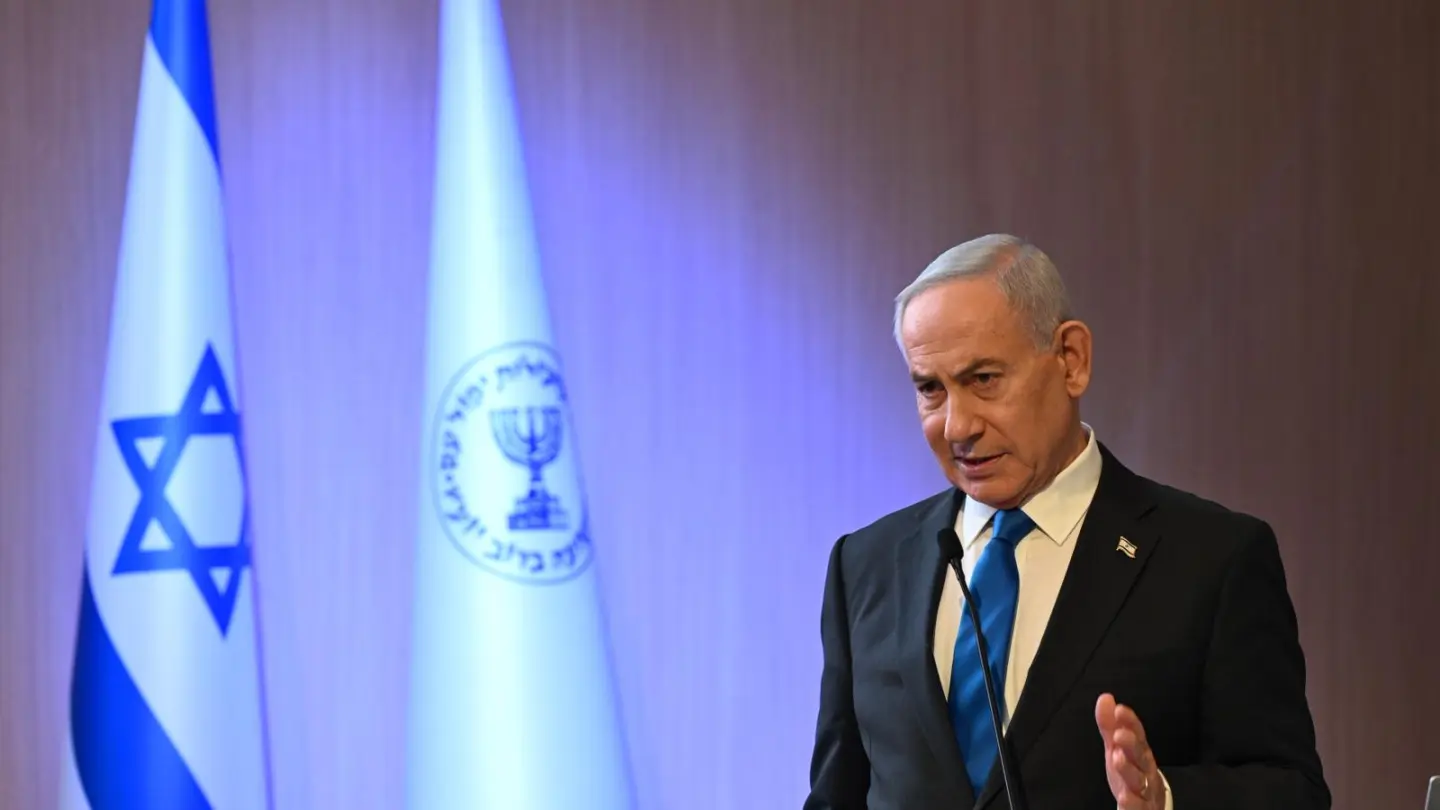
Qatar also funds the Al Jazeera Media Network, which is based in its capital of Doha. Israeli Prime Minister Benjamin Netanyahu has called the network a “mouthpiece for Hamas.”
On Sunday, Israel’s military raided the network’s office in Ramallah and ordered its closure for 45 days. Earlier this month, Israel revoked the press passes of Al Jazeera reporters working in the Jewish state.
The move was in keeping with a law passed by the Knesset in April that gave the Communications Minister the ability to act against a foreign channel that harms the state’s security, with the consent of the prime minister and approval of the Cabinet.
The measures enable authorities to order television providers to stop broadcasting the outlet; close its offices in Israel; seize its equipment; shut down its website; and revoke press credentials for staff.