A first-of-its-kind humanitarian medical delegation from the Faculty of Medicine at the Hebrew University of Jerusalem and Hadassah Medical Center officially began operating in Kenya, combining hands-on clinical training for medical students with direct support for local healthcare teams.
The initiative, known as the “Humanitarian Elective,” is part of the Faculty of Medicine’s broader Global and Humanitarian Medicine Program, an emerging academic framework designed to integrate global health, humanitarian medicine and cross-cultural clinical experience into medical education.
Through the program, senior medical students and experienced physicians travel to developing regions where medical resources are limited and healthcare systems face significant challenges, while contributing meaningful clinical and educational support to local communities.
The delegation is currently working in Kenya alongside local physicians and healthcare professionals, focusing particularly on emergency medicine and pediatric trauma care. During the first phase, the Israeli team provided training sessions for local medical staff in trauma management and point-of-care ultrasound, while the second phase allowed students to integrate directly into hospital departments and observe frontline medicine in a resource-limited environment.
Students participating in the elective are gaining firsthand experience in crisis medicine; navigating severe shortages of equipment and infrastructure; adapting to cultural and linguistic differences; and learning how healthcare systems function under immense constraints. Organizers say the experience is designed to strengthen clinical reasoning, creativity and adaptability, skills often difficult to teach in highly advanced medical settings alone.
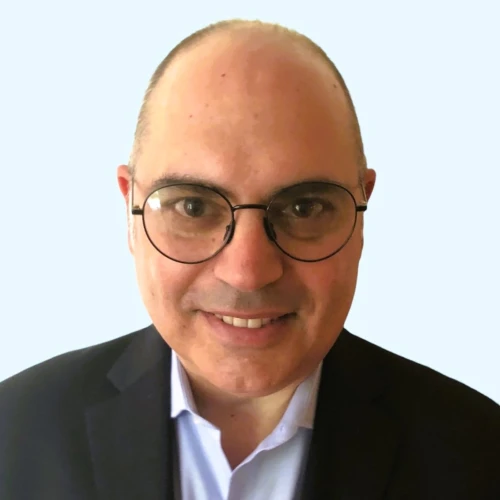
The program was initiated and coordinated by Shimon Olitsky, a sixth-year medical student at the Faculty of Medicine, who sought to rethink the traditional medical elective model. “Instead of sending students only to the world’s most advanced hospitals, we asked ourselves what would happen if we sent them to places where they are truly needed,” he said. “The goal was never to create a one-time volunteer trip, but to establish a sustainable academic framework that combines learning, humility and meaningful contribution.”

The initiative was developed with the support of Professor Eli Pikarsky, dean of the Faculty of Medicine, alongside professor Saar Hashavya, deputy director of Hadassah Ein Kerem Hospital and Director of Pediatric Emergency Medicine; Dr. Lea Sarna Cahan, a senior pediatric emergency physician specializing in disaster medicine; and professor Haggi Mazeh, chair of the Clinical Teaching Committee, who supported the academic development and approval of the program.
Pikarsky explained that “medicine is not only about scientific excellence, but also about responsibility, compassion and the ability to serve communities facing profound challenges. This initiative gives our students an opportunity to develop as physicians in the fullest sense of the word, while building meaningful partnerships and contributing to healthcare systems where support and collaboration can make a real difference.”
The Kenya delegation represents the first stage of what the Faculty of Medicine intends to develop into a long-term academic initiative. The vision is to establish the Humanitarian Elective as a permanent track within the medical curriculum, with annual medical-humanitarian delegations traveling to different regions around the world in collaboration with hospitals, multidisciplinary medical teams and local healthcare partners.
As part of its broader vision for global and humanitarian medicine, the Hebrew University Faculty of Medicine also plans to expand the initiative into academic research in global health, strengthen collaborations with the School of Public Health, and help position Israel as a leader in the development of innovative medical training models that combine clinical excellence with humanitarian engagement.
Olitsky emphasized that “the vision is for medical students in Israel to see humanitarian and global medicine as a natural part of their medical training—not as something peripheral, but as part of the professional and human responsibility of being a physician.”