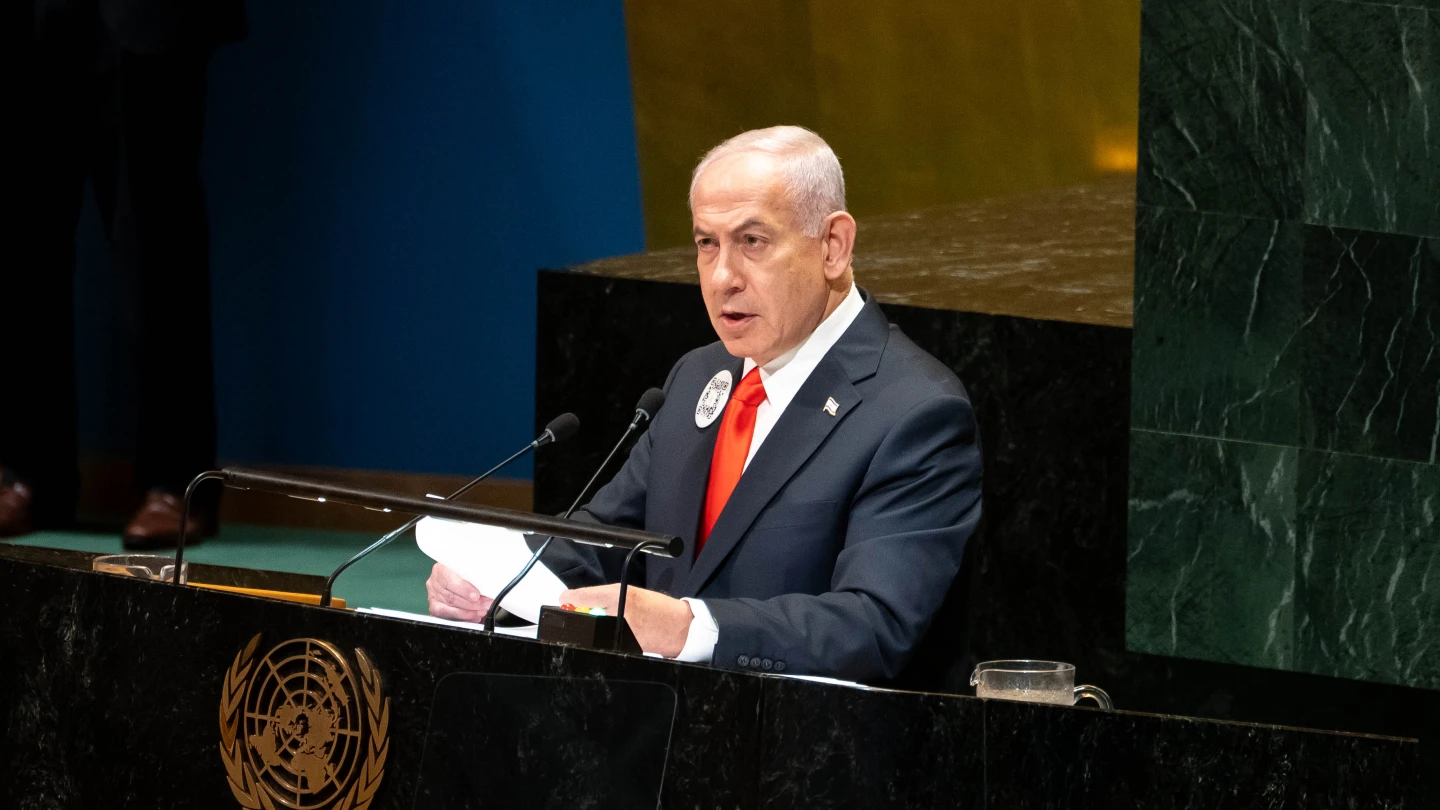
Israeli Prime Minister Benjamin Netanyahu has been the subject of a steady stream of criticism from the mainstream media as well as liberal Jewish commentators for taking an apocalyptic tone when discussing Iran.
Netanyahu has been accused of hyping the danger over Iran for political purposes and for returning to the theme of the nuclear threat during his remarks during Holocaust commemorations last month. President Obama also chided him for daring to suggest that the current negotiations being conducted by the West with Iran were “freebies” that were doing nothing to address the problem.
At a time when the president has committed the United States to preventing Iran from going nuclear and even the European Union has announced its intention to embargo Iranian oil, the alarms still being sounded by Israel have been dismissed as an excessive if not a cynical attempt to highlight danger that is not seen as imminent or inevitable. Since Iran may not have even made the decision to transform its civilian nuclear program into a military one, Netanyahu’s tough talk strikes many in the West as either insincere or a blatant attempt to bully the West into an unnecessary confrontation. With a negotiating process in place between the West and Iran, the conventional wisdom of the day is telling Jews and Israelis to chill out.
In fact, Netanyahu may have been outmaneuvered by Washington’s embrace of the issue. By combining tough rhetoric about Iran (intended to calm the doubts of American Jews about his attitude toward Israel) with support for the so-called P5+1 talks that bring the United States, the European Union, the United Nations as well as Russia and China into the negotiating process on the nuclear issue, the president has effectively boxed in Netanyahu. Since an Israeli attack on Iran is unthinkable while the U.S. and the EU are talking with the Islamist regime, all the prime minister can currently do is complain while he watches Iran’s diplomats play their negotiating partners for suckers.
There is not much argument within Israel or even among the leaders of the West that an Iranian bomb would be an existential threat to the Jewish state as well as a profound danger for the United States and the West. Even those Israelis who are publicly critical of Netanyahu, such as former Mossad chief Meir Dagan, agree that the ayatollahs cannot be allowed to have such a weapon. The disagreement is over whether the current program of Western sanctions and diplomacy will be enough to convince the Iranians to back down.
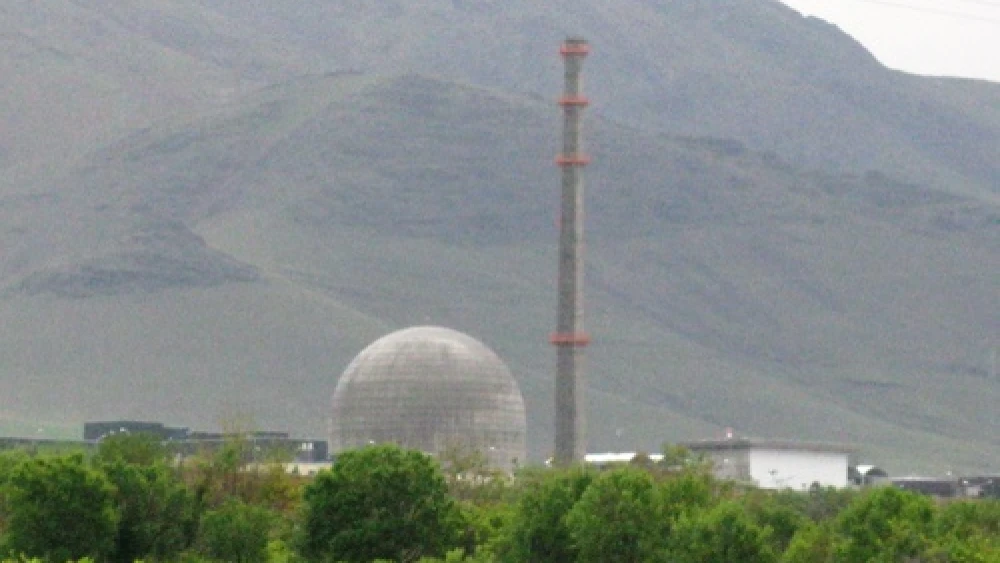
But the danger Netanyahu sees in the current bout of diplomacy is not a product of his active imagination. With a virulent foe of Israel in charge of the P5+1 talks in the person of EU foreign policy chief Catherine Ashton—and with Ashton showing signs that she is buying into Iranian propaganda about a desire for a deal—there is good reason to believe the outcome of the process will not produce anything close to a Iranian nuclear surrender. The Iranians have led Western diplomats down the garden path before and there is every indication that it is using the “window” opened by President Obama to play for time while their centrifuges keep spinning and refining the uranium that will bring them closer to a weapon. Since converting the program to military uses is the last and easiest part of the process, the fact that such a decision may not have yet been made is no reason for the world to relax.
Under these circumstances, Netanyahu’s alarm is more than justified. The problem is not just that an Iranian bomb is dangerous but that the West has set in place a diplomatic process that is almost guaranteed to undermine support for tough sanctions and stop short of closing down Iran’s nuclear facilities. Far from it being the time to calm down about the issue, now is exactly the moment when concerned Americans should be making it clear to the president that any EU-brokered deal that does not eliminate Iran’s nuclear program is an invitation to disaster.
Click photo to download. Caption: Jonathan Tobin.JNS Columnist Jonathan S. Tobin is senior online editor of COMMENTARY magazine and chief political blogger at www.commentarymagazine.com. He can be reached via e-mail at: jtobin@commentarymagazine.com. Follow him on Twitter at https://twitter.com/#!/TobinCommentary.