Archaeology
News and features about archaeological finds linking stories from the Torah and Prophets, or other historical events to the State of Israel
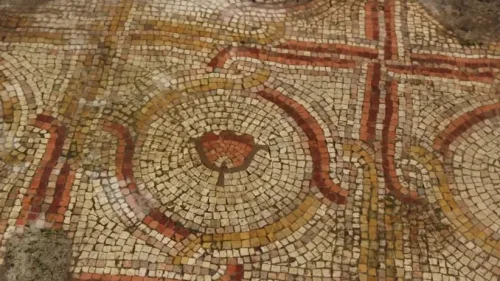
The archaeological attraction is located near Ben-Gurion Airport and on the Israel Trail.
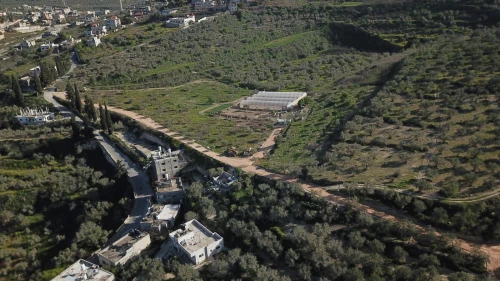
The destruction near the ancient town of Sebastia highlights the need for the preservation, upkeep and safeguarding of Israeli archaeological sites in Palestinian-controlled areas.

The government body confirmed that an expert, who created the inscription as an educational tool, accidentally left it at the dig site.

The artifact is one of only a few made from pure gold ever found in Israel and dates to at least 1,600 years ago.
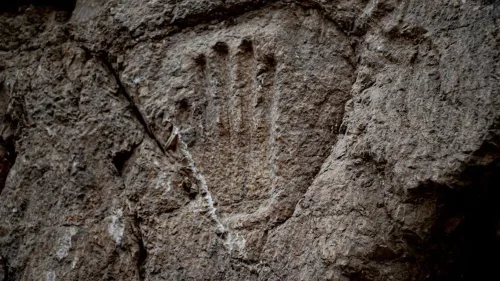
The site near the walled Old City was part of the capital’s fortification.
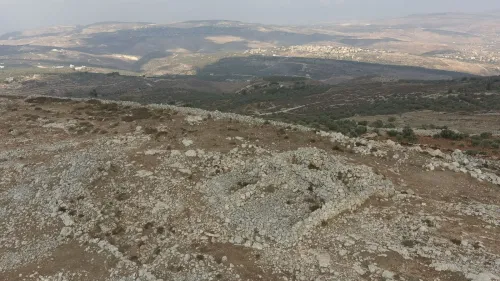
The site in Samaria, near Nablus, is identified with that of Joshua’s altar.

Researchers claim cutting-edge digital imaging has ended a decades-old debate within the archaeological community, but many remain unconvinced.
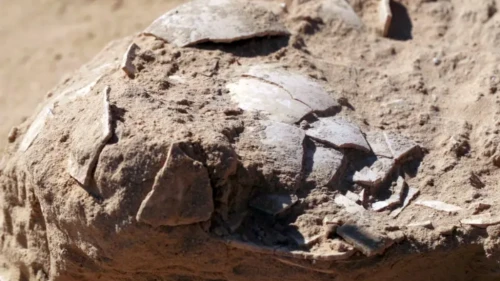
The eggs were found at a campsite in the Negev that was used by desert nomads since prehistoric times.
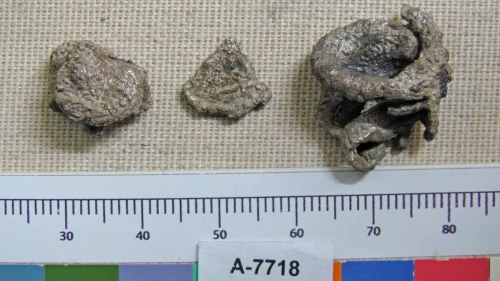
The hoards date back more than 3,600 years—to the Middle Bronze Age—or about 500 years before prior estimates.
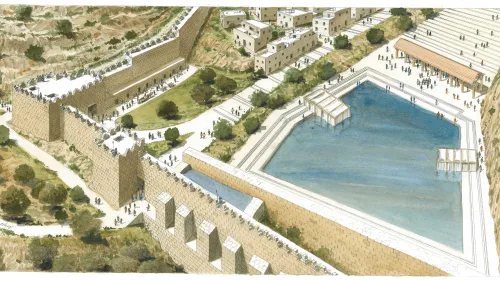
The site is expected to become one of the city’s most important historic and tourist sites.

The pool, constructed some 2,700 years ago during the reign of King Hezekiah, is believed to have been used by pilgrims before ascending to the Temple.
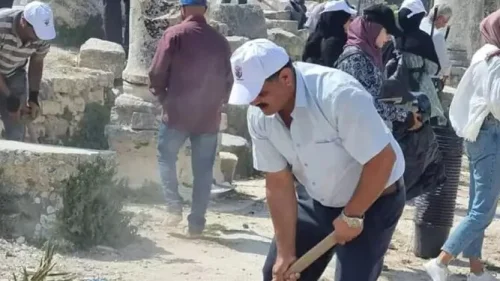
“The government has forsaken the country’s historic sites, the perpetrators must be prosecuted,” says the Samaria Regional Council head.