Archaeology
News and features about archaeological finds linking stories from the Torah and Prophets, or other historical events to the State of Israel
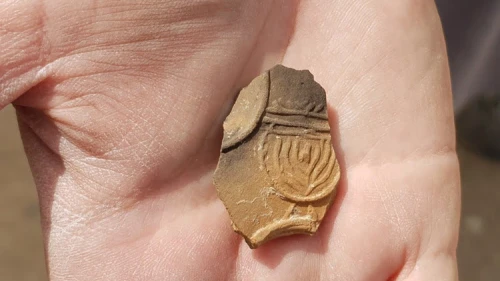
The site, dated from the first century C.E. until the Bar-Kochba Revolt in 135 C.E., also appears to contain underground hidden passageways used by the Jewish rebels.

Hikers who visited the site were appalled by what they found: Human remains were strewn everywhere, the catacombs were thoroughly ransacked and looted, and the sarcophagi (burial caskets) that had been resting in the caves for more than 2,500 years had disappeared.

The surprise discovery was lauded as empirical evidence of the veracity of Jewish accounts of their history in Jerusalem.

A ritual bath was found in the area in 1994; a Hasmonean coin in 2007.

Called “Bes-Vessels,” such jars were very common during the Persian period, according to archaeologists.
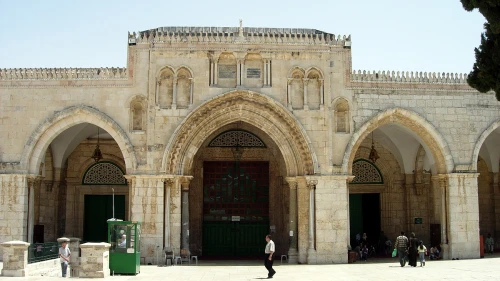
Along with Egypt, Jordan is the only Arab nation to have a peace accord with Israel.
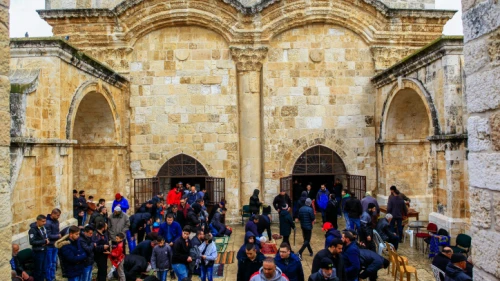
Jordan’s Royal Committee for Jerusalem Affairs, which oversees the Waqf in Jerusalem, called it “aggression against Jerusalem and holy sites for electoral purposes.”

The property, which was was discovered in Tzur Natan in central Israel, consisted of an inscription that reads, “Only God help the beautiful property of Master Adios, amen.”

Israeli Prime Minister Benjamin Netanyahu orders removal of recently installed equipment from the “Gate of Mercy” site on the Temple Mount • Arab officials: Israeli government efforts “to Judaize Jerusalem and erode the status quo at Al-Aqsa will be met with strong resistance.”

Police have not confirmed the arrests, but Palestinian media shared images of two top Islamic Waqf religious-authority representatives being escorted from their homes on social media.

Bassatine Cemetery is the only remaining Jewish one left in Cairo.
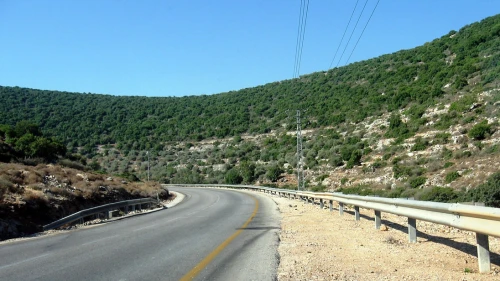
New signs and website ignore Jewish roots to key archaeological sites and nature reserves, reveals Regavim • Concerted effort, which includes renaming of sites, is in clear violation of 1995 interim agreement with Israel • Regavim: Israel must act.