Archaeology
News and features about archaeological finds linking stories from the Torah and Prophets, or other historical events to the State of Israel

“We are building an entrepreneurial organization,” Jim Berk, the center CEO, told JNS.
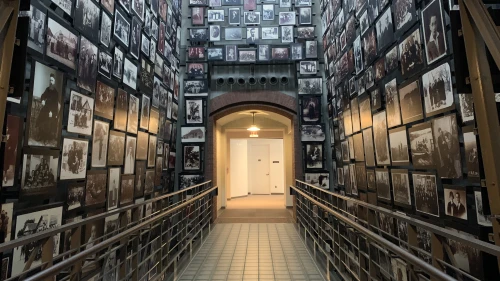
The Lilly Endowment gave another grant of the same value to the museum in Washington, D.C., in 2022.
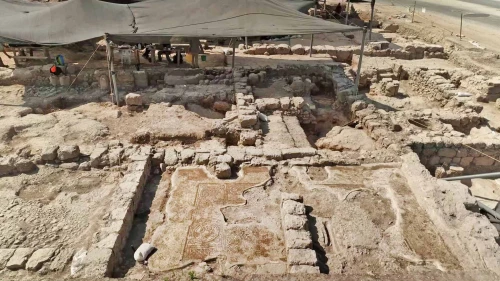
The once-affluent community included buildings decorated with colorful mosaics, one bearing an inscription, alongside ritual baths and an olive oil press
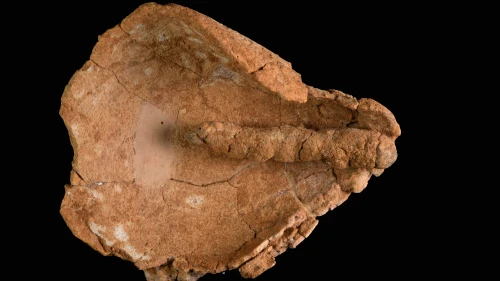
“This is a unique discovery that we did not expect could ever be found in the moist Mediterranean climate; these wicks are among the few of their era known to us in the world,” said IAA researchers.
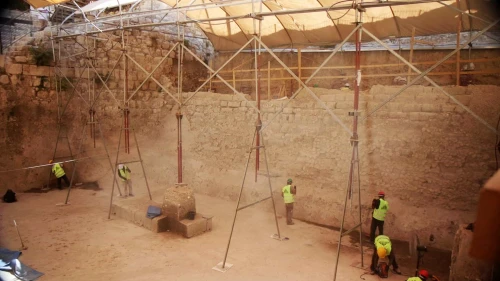
The newly uncovered structure suggests comprehensive urban planning for managing Jerusalem’s water supply as early as the late ninth century BCE and serves as clear evidence of the city’s power and sophistication.
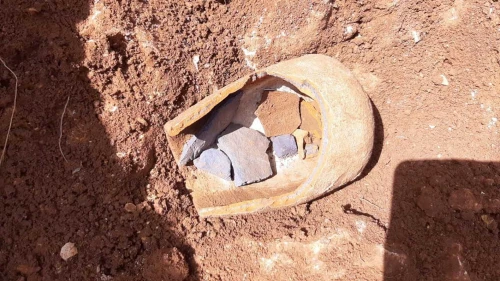
A University of Haifa study reveals the consistent use of the metal for commerce and payment for centuries when coins did not yet exist.
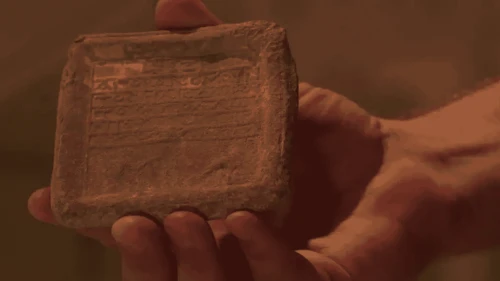
Researchers aim to identify the origin of the weight, found in an antiquities shop, based on the mammal’s illustration.
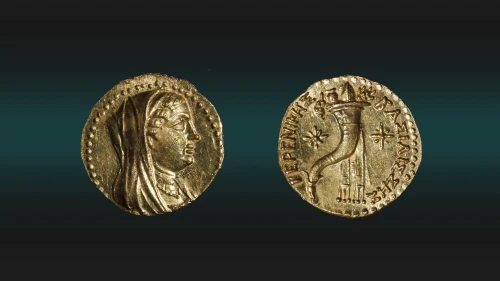
The discovery sheds new light on the development of the ancient city even after the destruction of the first Jewish Temple in 586 BCE.
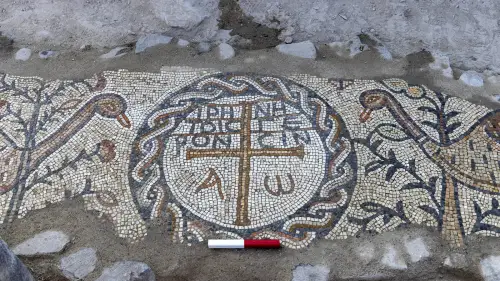
“This is living proof that care and concern for the elderly are not just a modern idea, but were part of social institutions and concepts as far back as about 1,600 years ago.”

The museum, accusing Israel of “cold-blooded terror,” said it would donate proceeds from its most valuable artifact to Palestinians.
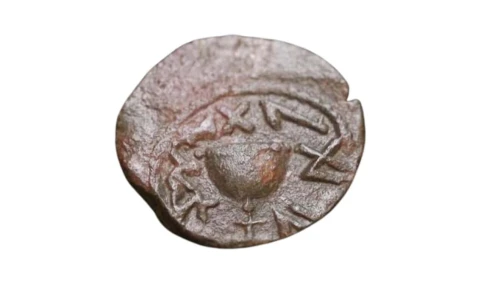
“Two thousand years after the minting of this coin, we come along a few days before Tisha B’Av and find such a moving testimony to that great destruction,” says archaeologist Esther Rakow-Mellet.

The inscribed clay may have belonged to the son of one of King Josiah’s royal servants, a few decades before the destruction of the temple by Babylon.