Newsletter
Newsletter Support JNS
Yaakov Lappin

Yaakov Lappin

Yaakov Lappin is an Israel-based military affairs correspondent and analyst. He is the in-house analyst at the Miryam Institute; a research associate at the Alma Research and Education Center; and a research associate at the Begin-Sadat Center for Strategic Studies at Bar-Ilan University. He is a frequent guest commentator on international television news networks, including Sky News and i24 News. Lappin is the author of Virtual Caliphate: Exposing the Islamist State on the Internet. Follow him at: www.patreon.com/yaakovlappin.

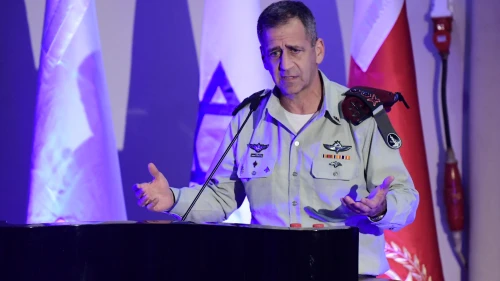
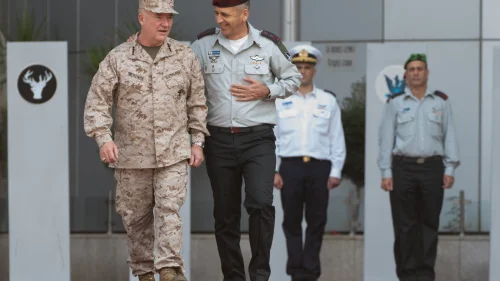
Lt. Gen. Aviv Kochavi shares his assessment of the growing risk of a direct clash with Iranian forces, saying that “it would be better if we weren’t the only one acting against them.”
From friends to foes, Brig. Gen. Erez Maisel sheds light on the behind-the-scenes work conducted by the International Cooperation Unit to ensure freedom of maneuver for the Israel Defense Forces.
For years, Israeli governments and cabinets have made strategic decisions without formal principles on how to conduct national security efforts, including the use of military power.
The commander of Iran’s Quds Force is more than a military leader, say Israeli observers. Active from Lebanon to Yemen, he is responsible for stirring up powerful “antibodies” in the region.
The proposal has been met with criticism from some in Israel, who argue that it could limit Israel’s freedom to maneuver and constrain the Israel Defense Forces. But with the growing threat of Iran in the Middle East, proponents say now could be the time to sign the pact and boost deterrence
Rafael Advanced Defense Systems built a Cyber Security Operations Center for Israel Railways—a critical infrastructure that faces 10 million cyber-attack attempts a month.
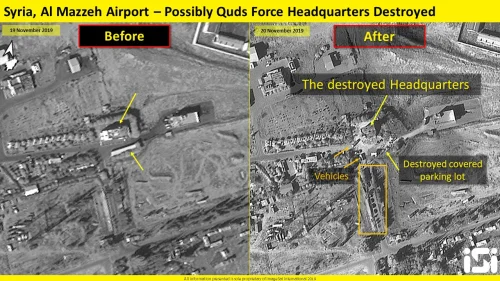
The IDF has been pursuing an active campaign of removing threats as it detects them, relying on intelligence and precision firepower to deal with ongoing Iranian challenges from Syria. The goal? To nip hazards in the bud.
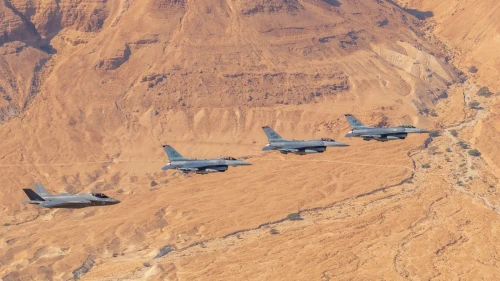
The introduction of the F-35 stealth aircraft to joint training helped the IAF integrate with other air forces, since the foreign aircraft all had NATO’s Link 16 communications system installed onboard—a system the IAF has not previously had.
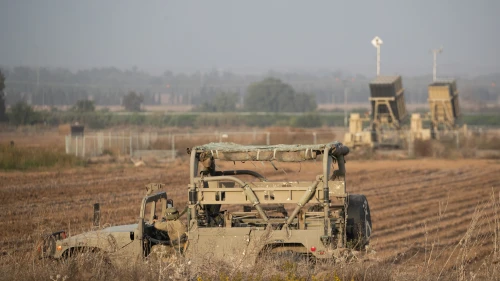
This round of fighting dealt a significant blow to Palestinian Islamic Jihad; defense chiefs are eyeing whether the halt in hostilities will allow Israel to keep its focus on the far larger threats to the north.
As Israel sought to contain the escalation—this time, without Hamas in the mix—a fragile situation emerged that could easily and dramatically change due to any significant civilian casualty on either side.
In the first hours of battle between Israel and Palestinian Islamic Jihad, Hamas sat on the sidelines.
The Israel Defense Forces has come to use increasingly powerful simulations as a key tool for military planning, factoring in field data about combat arenas on land, at sea and in the air.