Newsletter
Newsletter Support JNS

German museum removes Picasso portrait amid World War II-era ownership dispute

Paul von Mendelssohn-Bartholdy transferred “Madame Soler” across the Swiss border as German antisemitism rose in the 1930s.

“Madame Soler” oil on canvas painting by Pablo Picasso, 1903. Credit: WikiArt.

Claudia Roth, Germany’s culture minister, recently persuaded the Pinakothek der Moderne modern art museum in Munich to remove a Pablo Picasso painting with suspicious provenance.

The Jewish art collector Paul von Mendelssohn-Bartholdy owned the 1903 painting of the wife of the Spanish painter’s tailor friend. Amid rising antisemitism in the early 1930s, the collector sent it and other artworks to art dealer Justin Thannhauser in Switzerland. Mendelssohn-Bartholdy died in 1935.

In 1964, Thannhauser sold the portrait to Bavaria in southeast Germany, which has been displaying it at the state museum ever since.

Despite claims of Julius Schoeps, a descendent of Mendelssohn-Bartholdy and historian who wrote a book on “Madame Soler,” the museum claims that the sale of the artwork was kosher, rather than the result of Nazi coercion.

Schoeps has sought to reclaim other works by Picasso, including unsuccessfully from New York’s Museum of Modern Art and the Guggenheim Foundation. He also failed to recover a Picasso work now owned by the Andrew Lloyd Webber Foundation.
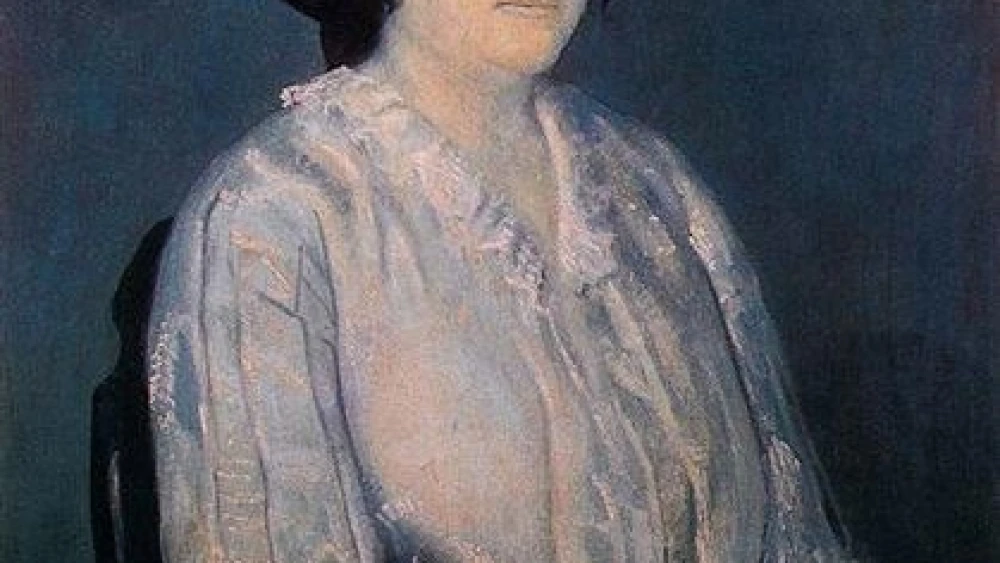
“Madame Soler” oil on canvas painting by Pablo Picasso, 1903. Credit: WikiArt.

“I want to thank you for standing up for Western civilization. I want to thank you for standing with Israel,” said the Israeli prime minister.
Poll shows wide backing for campaign, sharp gaps with Arab respondents on impact and outcomes.
A spokesman for the mayor told JNS that his Shared Endeavor Fund “helps combat and tackle hate crime in all its forms.”
“Groups supportive of Iran may target other U.S. interests overseas or locations associated with the United States and/or Americans throughout the world,” the federal government said.
The court ruled that the parents failed to “plausibly allege” that their children lacking access to services at private school infringes on their rights.