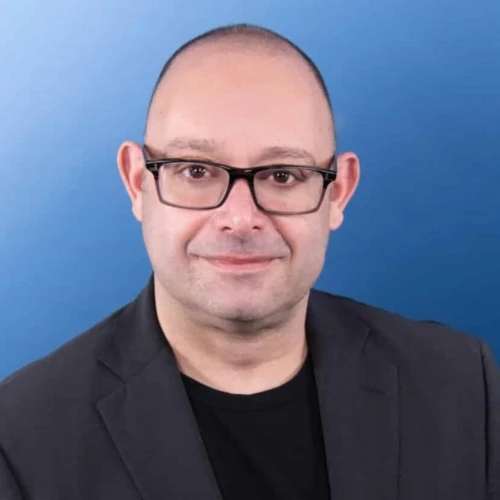
Terrorists are “no longer deterred and the only action left to take is collective punishment,” Shlomo Ne’eman, chairman of the Yesha Council, told a hearing of the Knesset subcommittee for Judea and Samaria on Tuesday.
“Arab hostilities demand a much broader response than using tweezers to pluck out the problems,” said Ne’eman, who is also head of the Gush Etzion Regional Council.
“The whole village should be punished because there is no other way. The entire village should have their work licenses [for within the Green Line] revoked until they settle down. Dealing with Arab hostilities effectively has still not been established other than collective punishment,” he added.
Ne’eman also demanded that the government loosen open-fire regulations for Israelis who have gun licenses. “Citizens who carry weapons are restricted by several de facto regulations which do not allow the prevention of stone-throwing incidents in real-time.
“There are more than half a million residents of Judea and Samaria who are just as entitled to security as every other citizen of the State of Israel. However, the reality of today is that our women and children are attacked daily,” Ne’eman said.
Shira Livman, CEO of the Yesha Council, joined Ne’eman at the Knesset meeting. “Incidents of Arab violence are constantly on the rise.... We demand from you, from all the representatives present here today, that you understand the magnitude of responsibility that rests on your shoulders, and that you act with all your power until security is restored to the region,” Livman said.
Ne’eman and Livman spoke following an attack earlier on Tuesday in which an Israeli man narrowly escaped when a Palestinian terrorist opened fire on vehicles near the community of Avnei Hefetz in Samaria.
The Israeli, Ron Rosen, said he left for work at around 8 a.m. As he slowed for a turn at the exit to Avnei Hefetz, a terrorist riddled his car with bullets. He sped up and turned away, honking his horn to warn other drivers.
“It’s crazy. You immediately notice a person spraying you with bullets a distance of 50 meters from you, literally standing there, and you hear the strikes on the car from all sides. It’s a great miracle that the shrapnel only narrowly missed my eye, it could have ended differently.
“The security situation is crazy, and I understand that it happens all the time, there is a feeling of insecurity on the roads,” Rosen said.