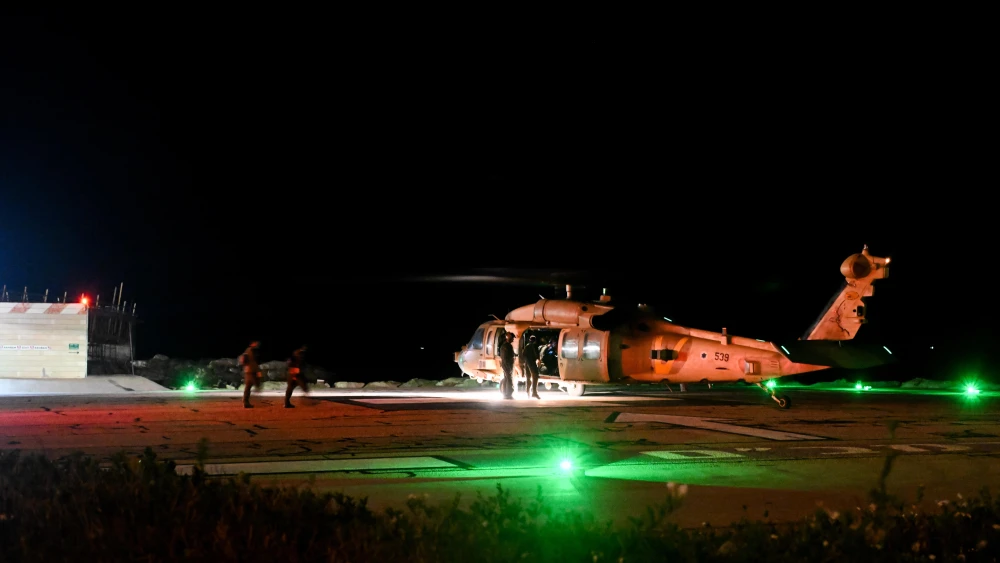
The Hezbollah terror organization killed four Israeli soldiers in a drone strike on a Golani Brigade training base near Binyamina on Sunday, the Israel Defense Forces said early on Monday morning.
The IDF named the fatalities as:
Sgt. Omri Tamari, 19, from Mazkeret Batya.
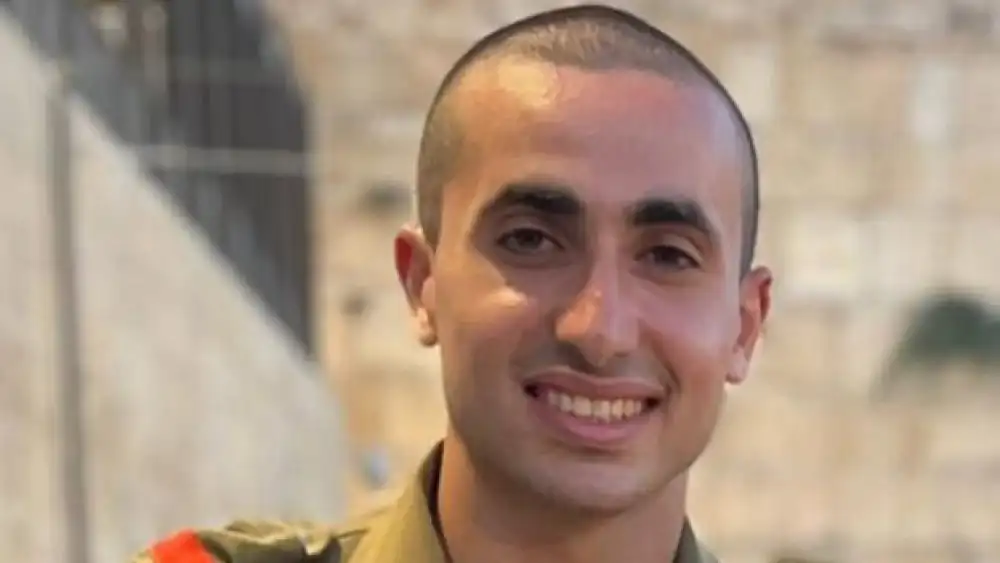
Sgt. Yosef Hieb, 19, from Tuba-Zangariyye.
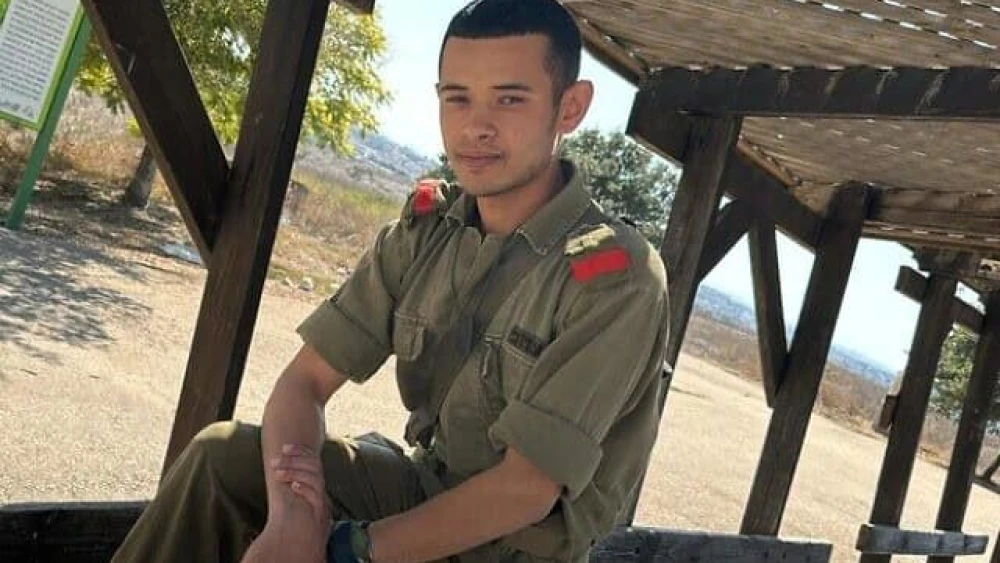
Sgt. Yoav Agmon, 19, from Binyamina-Giv’at Ada.
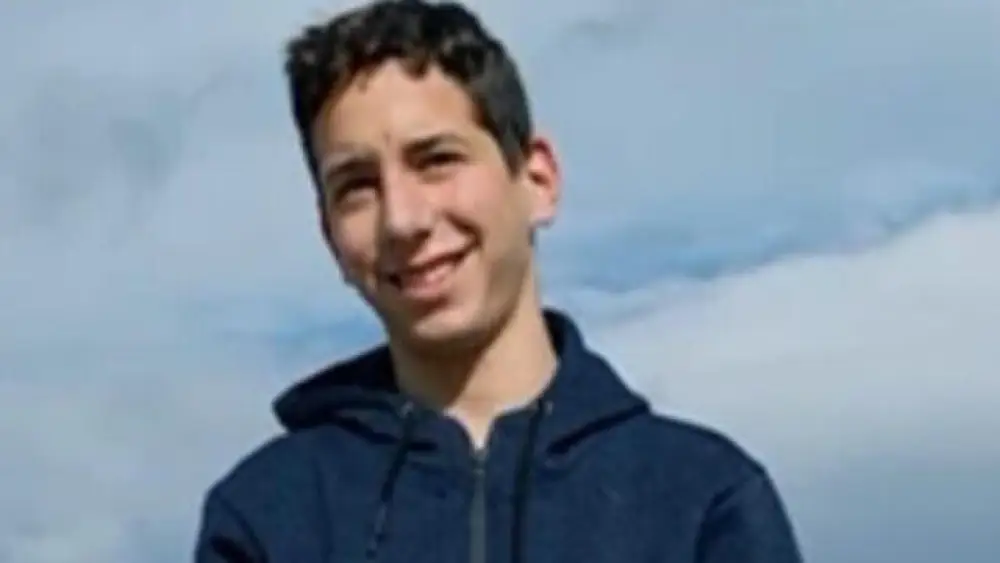
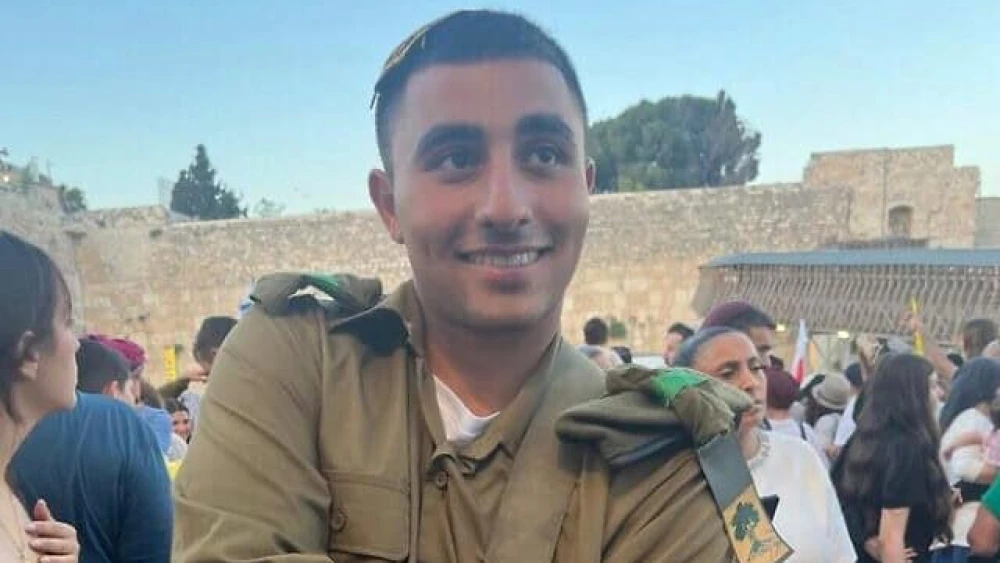
Sgt. Alon Amitay, 19, from Ramot Naftali.
“The IDF shares in the grief of the bereaved families and will continue to accompany them,” the Israeli military said. “We ask to refrain from spreading rumors and the names of wounded individuals and to respect the families.”
The IDF added in Hebrew that seven soldiers were seriously wounded in the attack. Some 50 others were moderately or lightly hurt.
🔴 BINYAMINA DRONE ATTACK | 𝗖𝗟𝗘𝗔𝗥𝗘𝗗 𝗙𝗢𝗥 𝗣𝗨𝗕𝗟𝗜𝗖𝗔𝗧𝗜𝗢𝗡
— Jewish News Syndicate (@JNS_org) October 14, 2024
It is confirmed by the @IDF that the drone attack made a direct hit on a military base.@IDFSpokesperson Daniel Hagari: "Tonight, an unmanned aerial vehicle of the #Hezbollah terrorist organization hit a… pic.twitter.com/QYjKjp4wwZ
Hezbollah took responsibility for the assault, claiming in a statement that it had “launched a squadron of attack drones at an IDF training camp for the Golani Brigade in Binyamina, south of Haifa.”
According to Channel 12, two drones approached Israeli territory from the sea. While one was shot down, the second was not intercepted, apparently due to its low altitude. No air-raid sirens were activated prior to the attack.
IDF Chief of Staff Lt. Gen. Herzi Halevi arrived at the Golani Brigade training base on Sunday night after the attack, conducting an initial briefing with commanders.
הרמטכ״ל, רב-אלוף הרצי הלוי, הגיע אמש לבסיס האימונים של חטיבת גולני וקיים תחקיר ראשוני עם המפקדים.
— צבא ההגנה לישראל (@idfonline) October 14, 2024
הרמטכ״ל שוחח עם המפקדים וצוותי הרפואה בבסיס >> pic.twitter.com/hzEobnplA5
“We are at war, and an attack on a training base on the home front is difficult and the results are painful. You operated well to treat and evacuate the wounded and injured. Embrace the bereaved families, accompany the wounded and strengthen the commanders and soldiers,” Halevi said.
“We continue to fight and train for what lies ahead. The Golani Brigade has recorded many achievements in the war and dealt resolutely with difficult situations—continue on the path of this legacy,” he continued.
On Monday, Israeli Defense Minister Yoav Gallant visited the site of the strike, including the dining hall where the drone impact occurred, pledging to find solutions to Hezbollah’s drones.
“This is a difficult event with painful results,” he told Golani officers who witnessed the attack. “We must investigate it, study the details and assimilate the lessons in a quick and professional manner.”
Gallant continued: “Faced with the threat of UAVs, we are concentrating a national effort and are engaged in developing solutions that will help deal with the threat.”
Hezbollah on Monday launched rockets from Lebanon at central Israel, triggering sirens in the Sharon, Menashe, and Wadi Ara areas. The Israeli Air Force intercepted all of the projectiles.
The IDF said that the details were under review. There were no immediate reports of injuries or damage.
Earlier on Sunday, 28 IDF soldiers were wounded by enemy anti-tank fire in Southern Lebanon. Two sustained serious wounds, and the rest were moderately and lightly wounded.

On Friday, an IDF soldier was killed battling Hamas terrorists in the southern Gaza Strip.
Staff Sgt. Ittai Fogel, 22, served as a tank commander in the 46th Armored Battalion of the IDF’s 401st “Iron Tracks” Brigade. He was from Yakir in Samaria.
On Thursday, three IDF reservists were killed and two others seriously wounded when their vehicle hit an explosive device in the Jabaliya area of northern Gaza.
The fatalities were named as Master Sgt. (res.) Ori Moshe Borenstein, 32, from Moreshet; Master Sgt. (res.) Tzvi Matityahu Marantz, 32, from Bnei Adam; and Maj. (res.) Netanel Hershkovitz, 37, from Jerusalem. All three were part of the 5460th support unit of the IDF’s 460th Brigade.
The death toll among IDF troops on all fronts since the Hamas-led Oct. 7 massacre stands at 739, according to official military data.