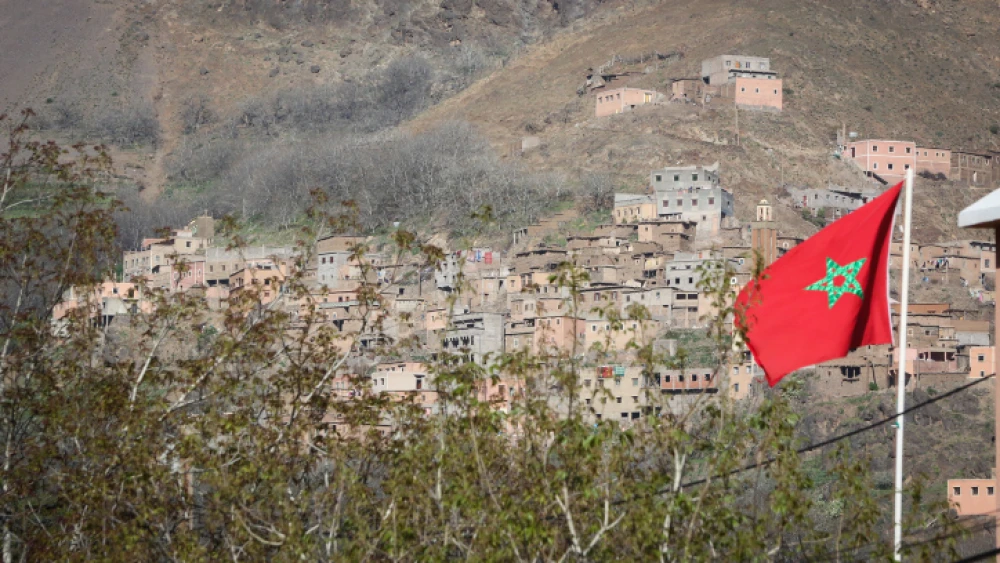
Algeria’s decision last week to sever diplomatic ties with its neighbor, Morocco, put the spotlight on the strengthening Israeli-Moroccan relations that were born out of the Abraham Accords.
Prof. Bruce Maddy-Weitzman, an expert on North Africa and senior fellow at Tel Aviv University’s Moshe Dayan Center for Middle Eastern and African Studies, told JNS that Algeria and Morocco have been “geopolitical and ideological rivals for more than a half-century on the morrow of attaining independence.” The future of Spain’s ex-colony, Western Sahara, has been the center of their rivalry since 1975, with Algeria supporting the Polisario independence movement and Morocco acting to incorporate the territory into the kingdom, he explained.
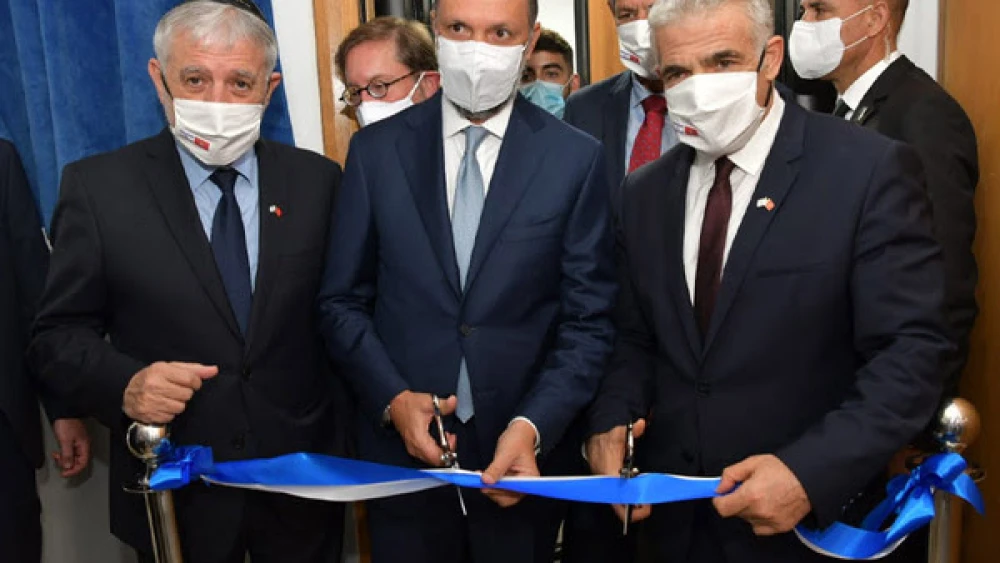
In December 2020, the U.S. recognized Moroccan sovereignty over Western Sahara in return for Rabat normalizing relations with Jerusalem, as part of the series of normalization agreements between Israel and Arab states that were brokered by the Trump administration. Last month, Israel’s Foreign Minister Yair Lapid visited Morocco to inaugurate the Israeli liaison office there, while revealing plans to open mutual embassies within months.
But last year’s quid pro quo in the Abraham Accords process — unilateral U.S. recognition of Moroccan sovereignty over the contested territory in return for Morocco’s restoration of diplomatic relations with Israel — was highly upsetting to Algeria, Weitzman noted.
“Moroccan expressions of support for the radical Kabylian Amazigh independence movement in Algeria, done mostly to irritate the Algerians, are also part of the background to the Algerian decision to sever relations,” he said.
Weitzman added, “Algeria has blamed the movement for the recent large-scale forest fires in Kabylia, in a transparent effort to divert criticism of the regime’s failure to contain the fires.”
At the same time, Sarah Feuer, an expert on Arab politics and fellow at The Washington Institute for Near East Policy and Israel’s Institute for National Security Studies, believes that Israel’s role in the North African dispute is minor.
“Algeria was indeed dismayed at Morocco’s decision to resume diplomatic relations with Israel, and more recently, Algeria criticized Morocco for advocating on Israel’s behalf in gaining observer status in the African Union,” she told JNS. “But ultimately the rupture of ties between Algeria and Morocco reflects a longstanding, locally driven hostility between these two states, principally over the Western Sahara, and an effort on the part of the Algerian regime to deflect attention away from a domestic political and economic crisis the state seems unable to resolve.”
Lapid’s statement in Morocco that Iran is working with Algeria to block Israeli observer status in the African Union upset the Algerians, and Israel replied in kind.
“Underpinning Algeria’s militant stance are the regime’s difficulties in renewing its legitimacy in the eyes of an angry and disillusioned public, which is showing signs of renewing the mass peaceful Hirak protest movement that shook the regime to its core in 2019,” Weitzman said.
An Israeli diplomatic source told AFP last week that Algeria “should focus on its own problems, serious economic problems especially, so its citizens can live the life they deserve, rather than trying to harm their neighbor and involve Israel in its disputes.”
Algeria said August 24 that it cut ties with Morocco due to “hostile actions.” Algerian Foreign Minister Ramtane Lamamra also accused Lapid of “senseless accusations and veiled threats.” Lapid had expressed “worries about the role played by Algeria in the region.” The Israeli source told AFP that Lamamra’s allegations are “unfounded and without interest — they bring nothing new.”
During Lapid’s visit to Morocco, he raised concerns that Algeria was “getting close to Iran” and that it worked to prevent Israel from admission as an observer member of the African Union.
Yet Feuer said, “We should be careful not to overstate the Iranian issue here. It is true that Algeria — in contrast to Morocco — maintains relations with Iran. Still, neither Algiers’ ties to Tehran nor Rabat’s firm placement within the pro-West camp are new.”