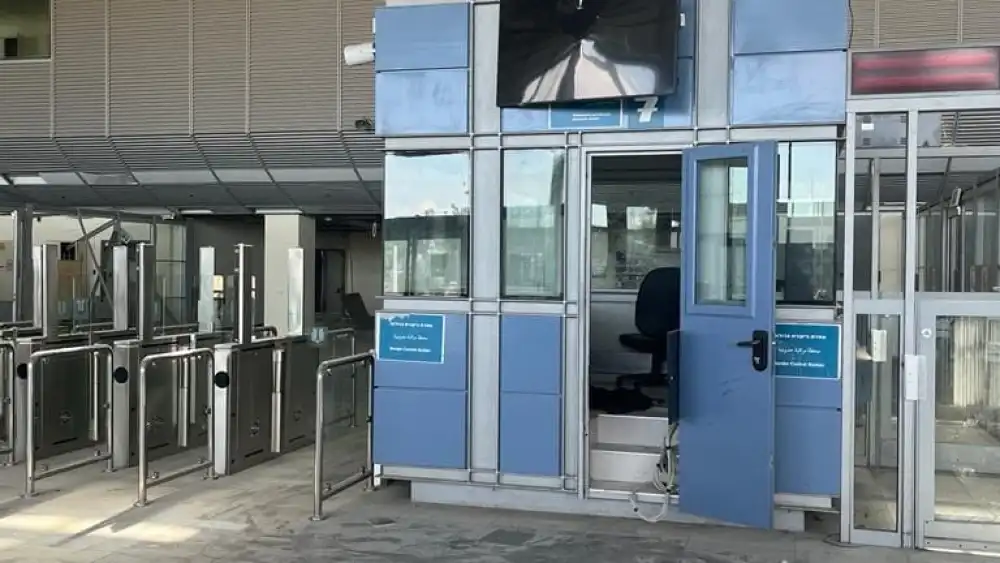
Israel is exploring the possibility of opening a new border crossing with the Gaza Strip to deliver humanitarian aid directly to the northern part of the enclave, two officials in Jerusalem told NBC News on Tuesday.
A northern entry point would bypass active combat zones in the southern and central Strip. According to Israeli estimates, Hamas has looted up to 60% of the aid that enters Gaza.
The officials said the new crossing is expected to be opened near Kibbutz Be’eri in southwestern Israel, although plans have yet to be finalized.
Be’eri was one of the hardest-hit areas in the Oct. 7 Hamas cross-border terror attacks, in which some 1,200 Israelis were massacred and thousands more were wounded. Some 30 percent of the village’s 1,100 residents were either murdered or taken as hostages to Gaza.
In the aftermath of the attacks, the Israeli Security Cabinet voted in favor of a proposal to sever “all contact” with the Hamas-ruled Strip. All Israeli crossings to Gaza remained shut for months, with only Egypt’s Rafah crossing from Sinai remaining open.
On Dec. 15, the Cabinet approved re-opening the Kerem Shalom crossing to southern Gaza.
Tuesday’s NBC report comes amid mounting pressure from numerous Western countries, in particular the United States, to allow even more humanitarian aid to enter the enclave.
“The United States is committed to pulling out every stop to get more aid to those in Gaza who desperately need it. We won’t stand by. We won’t let up,” U.S. President Joe Biden tweeted on Tuesday.
Late last month, the War Cabinet decided to start transferring humanitarian supplies directly to northern Gaza to bypass Hamas, and an Israeli official told local media the pilot might begin as early as this week.
Israel’s decision to test new methods to deliver aid was reinforced by a deadly stampede in Gaza City on Feb. 29. During the incident, Gazan civilians mobbed trucks carrying supplies, as seen by aerial footage released by the Israel Defense Forces.
According to the new plan, trucks carrying supplies bound for the parts of Gaza already conquered by IDF forces will enter the Karni cargo crossing near Gaza City, which was permanently closed in 2011.
Jerusalem is considering having the truck convoys carrying food and medicine secured by IDF troops rather than handed off to local guards, an Israeli official told The Times of Israel on Sunday.