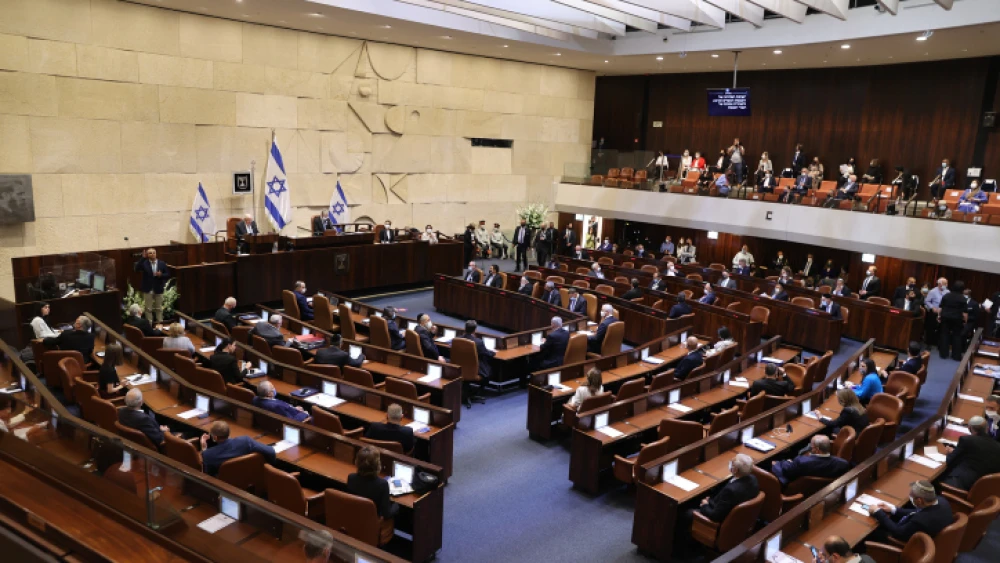
Israel’s opposition parties announced on Wednesday that they would unanimously vote in favor of a proposal to dissolve the Knesset, possibly paving the way for the collapse of the government and snap elections.
“The heads of the opposition factions have decided to bring the bill to dissolve the Knesset to a vote in the Knesset plenum today,” read the joint statement from all opposition faction leaders. It added, “The decision was made unanimously and is binding on all factions.”
According to the statement, the factions also agreed to withdraw parliamentary questions and all opposition bills scheduled for Wednesday from the agenda “to focus all efforts on one goal: toppling the government.”
Israeli Prime Minister Benjamin Netanyahu’s coalition appeared stable until a few months ago, when Jerusalem’s Supreme Court ruled that the right-wing and religious government must conscript ultra-Orthodox Jews.
As a result of the court’s move, the Haredi parties, which for years made up the most stable element of the government, became its weakest link.
United Torah Judaism’s Yated Ne’eman daily announced on Wednesday morning that the Ashkenazi ultra-Orthodox coalition party would “unanimously” vote to back the legislation to dissolve parliament.
United Torah Judaism holds seven Knesset seats in the coalition’s 68-mandate majority, and the Sephardic ultra-Orthodox Shas Party needs to vote in favor of the dissolution bill to trigger an election.
According to Israel’s Channel 12 News broadcaster, coalition efforts to reach a compromise on the haredi draft issue continued, in addition to attempts to prevent the Knesset dissolution bill to be brought to a vote.
If the opposition’s proposal fails to reach a majority, Israeli law prevents the dissolution bill being put back on the Knesset agenda for six months.
On Monday, Shas spokesperson Asher Medina told local media that “as of now, if there is nothing we can bring before the rabbis that can be discussed, we will have to vote in favor of dissolving the Knesset.”
“We are disappointed with Netanyahu. We expected him to take action earlier and not just in the last few days,” Medina stated, referring to the demand that legislation be passed to anchor a draft exemption in law.
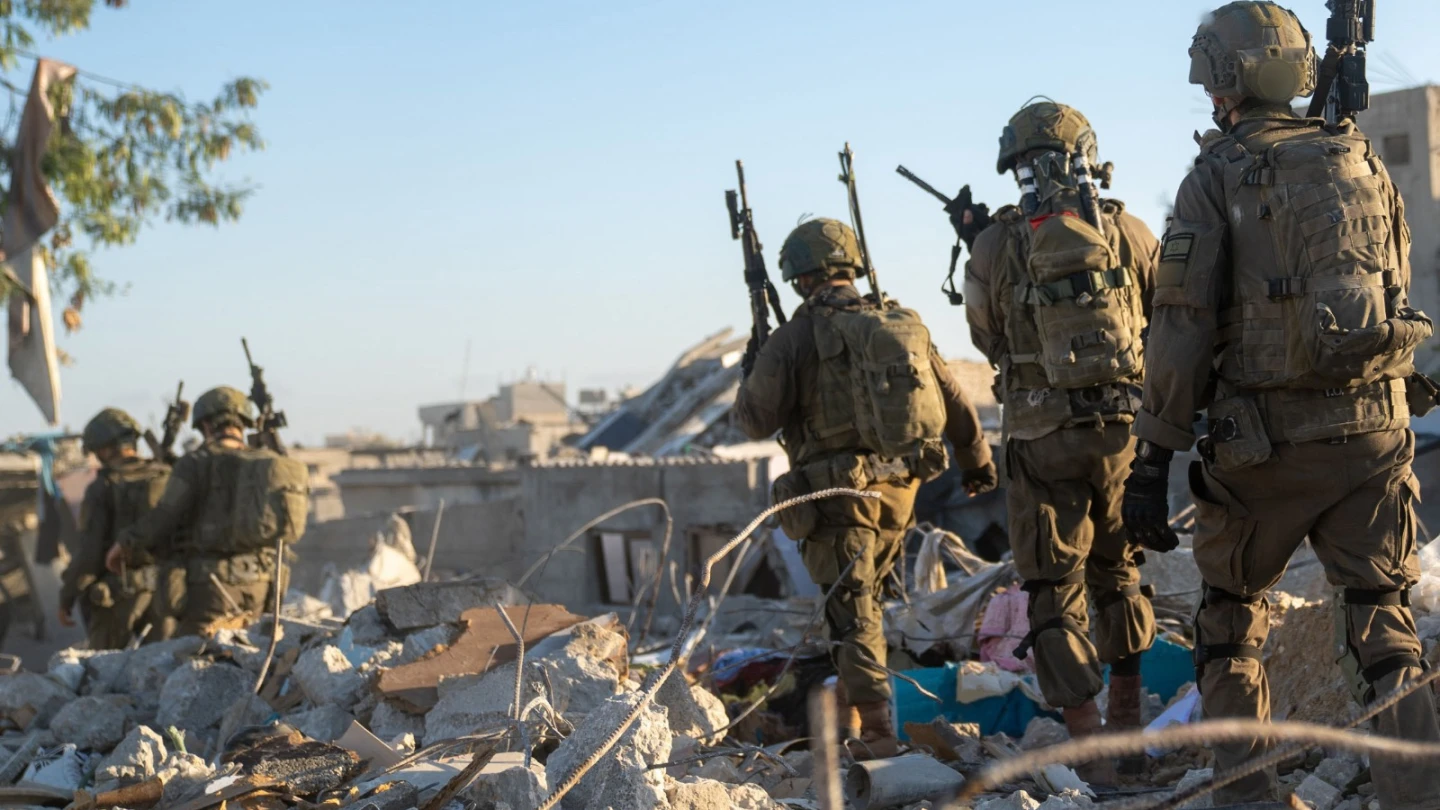
Ultra-Orthodox men have received near-blanket exemptions from IDF service in what started as an exemption for about 400 Torah scholars at the state’s establishment. The haredi population has since exploded.
For years, the issue has caused bitterness within the Jewish state’s larger society, most of whose members serve in the Israel Defense Forces. The matter grew still more divisive after the Oct. 7, 2023, Hamas massacre.
Although the number of haredi men studying in yeshivas and eligible for IDF service is estimated at between 63,000 and 66,000, since Oct. 7, 2023, only 1,140 haredim have enlisted, of whom 600 were over the age of 26 and thus exempt for the draft, according to March 2024 numbers.