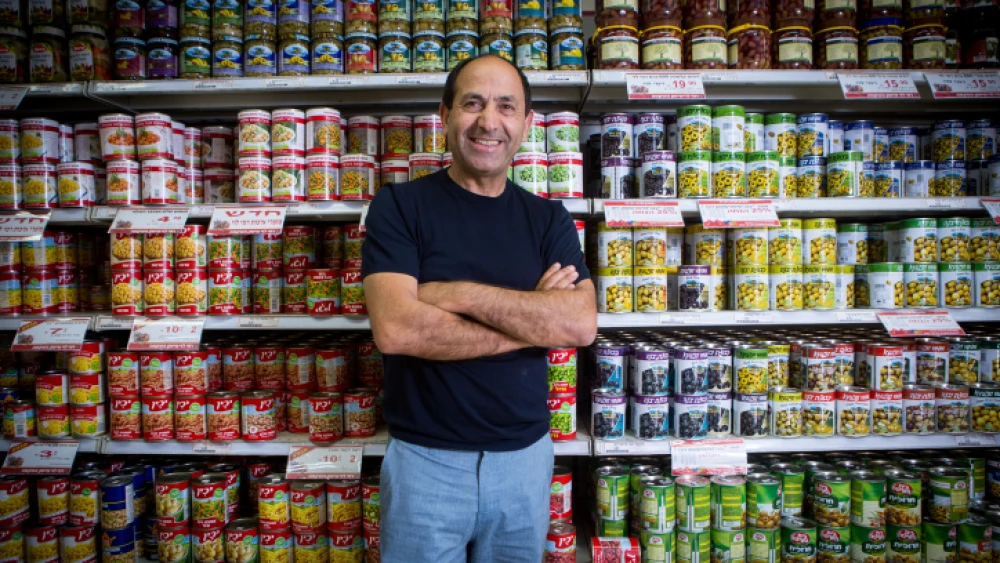
Israeli supermarket and telecoms magnate Rami Levy on Monday filed a defamation lawsuit against the United Nations Human Rights Council over claims his company violates international law by operating in Judea and Samaria.
The claim, to the tune of NIS 280,000 ($82,000), was filed with the help of Shurat HaDin – Israel Law Center, after Levy’s supermarket chain, which has several locations in Judea and Samaria, was included in a list of businesses the UNHRC determined were operating illegally.
The U.N. agency’s blacklist comprises 112 business entities, 94 in Israel and 18 in six other countries—the United States, United Kingdom, France, the Netherlands, Thailand and Luxembourg—whose activities “raise particular human rights concerns.”
The suit, filed with the Jerusalem Magistrates’ Court, claims that operating in Judea and Samaria does not constitute a violation of international law or Palestinians’ rights.
“Jews and Palestinians are employed equally by Rami Levy. It can be said that the plaintiff companies improve the rights of Palestinians and their financial well-being immeasurably,” Shurat HaDin wrote in the claim.
The advocacy group further claimed that the UNHRC was “violating its own charter by specifically singling out Jewish-owned businesses.”
Levy, whose brand holds the second-largest market share in Israel’s food industry, said in a statement, “I believe in true coexistence. All of the workers in our market chain are employed regardless of differences in religion, race or nationality and are equally entitled and even earn three times the wages of what is the average wage in the Palestinian Authority. We are happy to serve all customers regardless of religion, race and nationality, and we will continue to do so.”
Shurat HaDin founder Nitsana Darshan-Leitner called the UNHRC blacklist “blood libel,” saying it means only to “harm Israeli businesses’ reputation and hurt them financially through boycotts.”
This article first appeared in Israel Hayom.