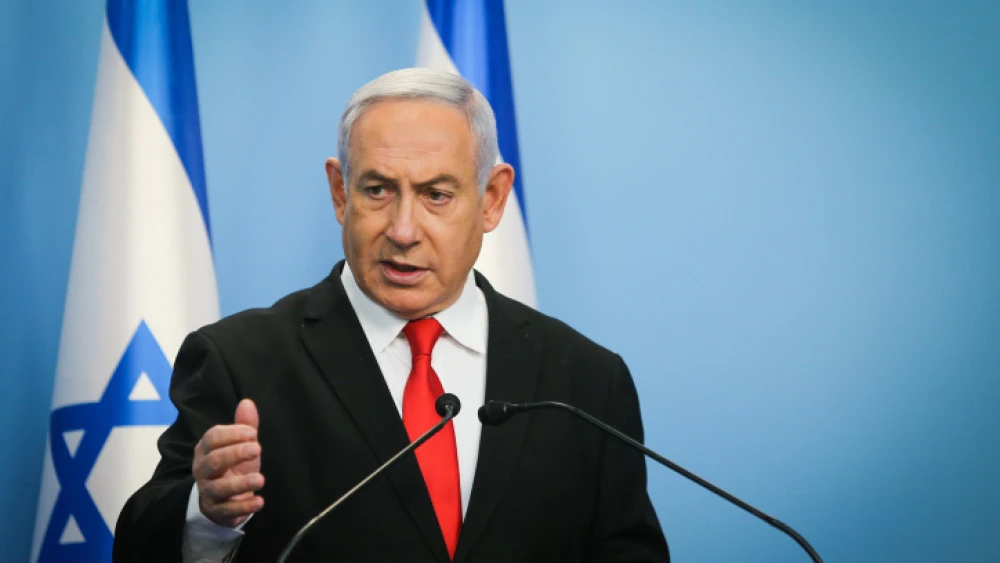
Israeli schools will remain open despite a COVID-19 outbreak at a high school, the country’s Health Ministry said on Saturday, though Israeli Prime Minister Benjamin Netanyahu warned that coronavirus curbs would be reimposed if infection rates increase.
Israel has lifted many restrictions over the past few weeks as infection rates have dropped. But they rose sharply on Friday with 121 new cases being reported by Saturday morning—the majority of which originated at one Jerusalem high school—up from only four last Saturday.
In a televised address, Netanyahu said it was still too early to say whether this showed a change in trend. The next few days, he said, would determine whether there was a significant rise in infection rates that would require a policy change.
The prime minister stressed that Israel had not reached the number of deaths seen in other countries, thanks to the rapid response and strict precautionary measures instituted by the government.
He noted that the decision to resume economic activity and reopen the school system was provisional and made “on an experimental basis.” If Israel sees another mass outbreak, the restrictions on public life will be reinstated, he warned.
Netanyahu further said that he had asked Public Security Minister Amir Ohana and Justice Minister Avi Nissenkorn to allow for increased police inspections and enforcement of coronavirus restrictions. Until now, he said, inspections have been carried out on a very low scale, but this will change in the near future.
The virus is not “skipping over” Israel, he emphasized. “Everyone is responsible for one another, and must take care that they do not get infected, and do not infect others.”
“If people keep the rules, God willing, they will keep us safe,” he added, noting that the decision whether or not another nationwide lockdown would be necessary “rests with each and every Israeli.”
Friday’s spike prompted Israeli health officials to warn the public against complacency now that lockdown has largely ended. They urged Israelis to practice social distancing, maintain hygiene and wear face masks.
Education Minister Yoav Gallant said a special team would ensure that preventative measures were practiced in schools.
Israel has reported a total of 17,024 confirmed COVID-19 cases and 284 deaths.
After enacting restrictions early in the outbreak, Israel eased its lockdown in mid-April and gradually allowed schools, businesses, beaches, shops and restaurants to reopen.
Noam Dvir and Ariel Kahana contributed to this report. This article first appeared in Israel Hayom.