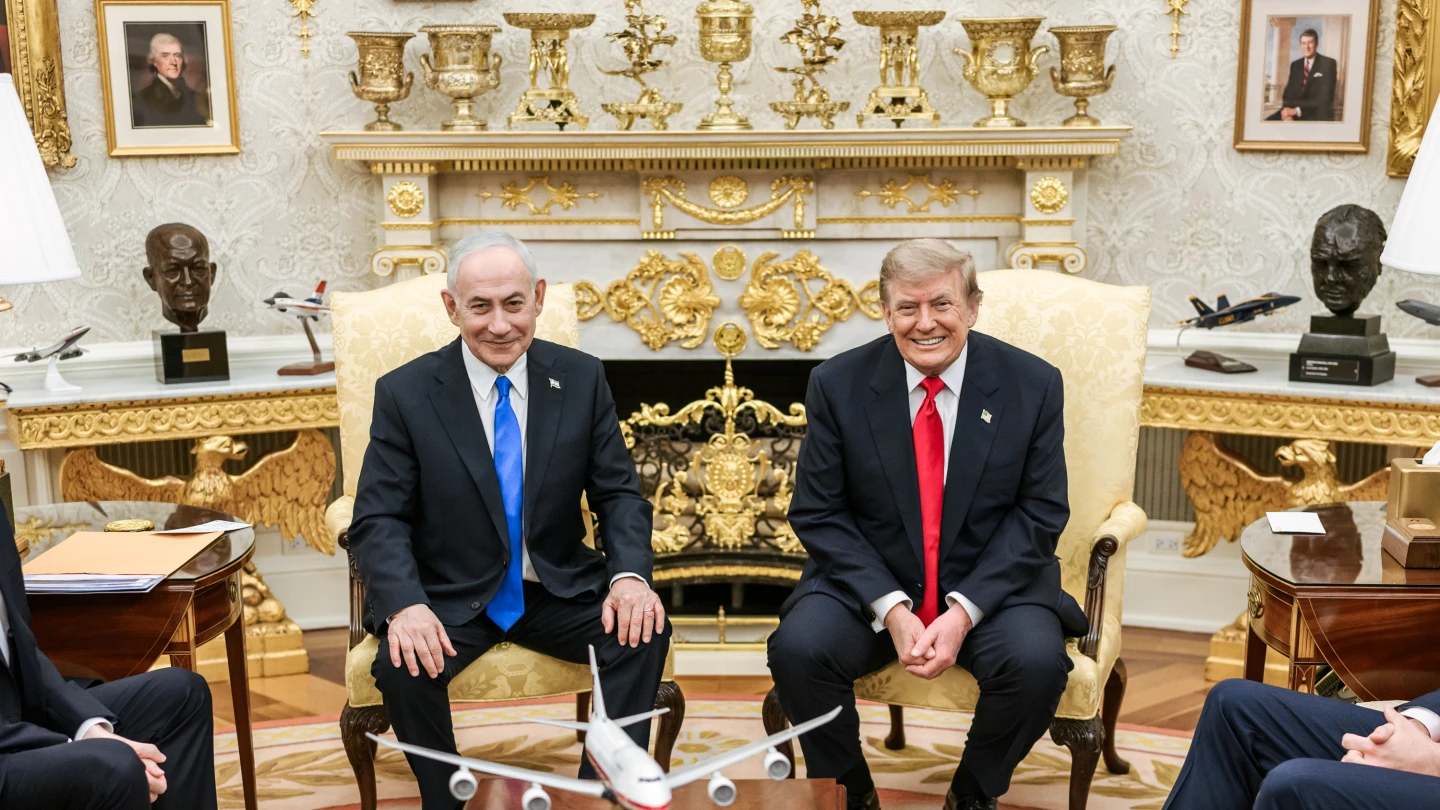
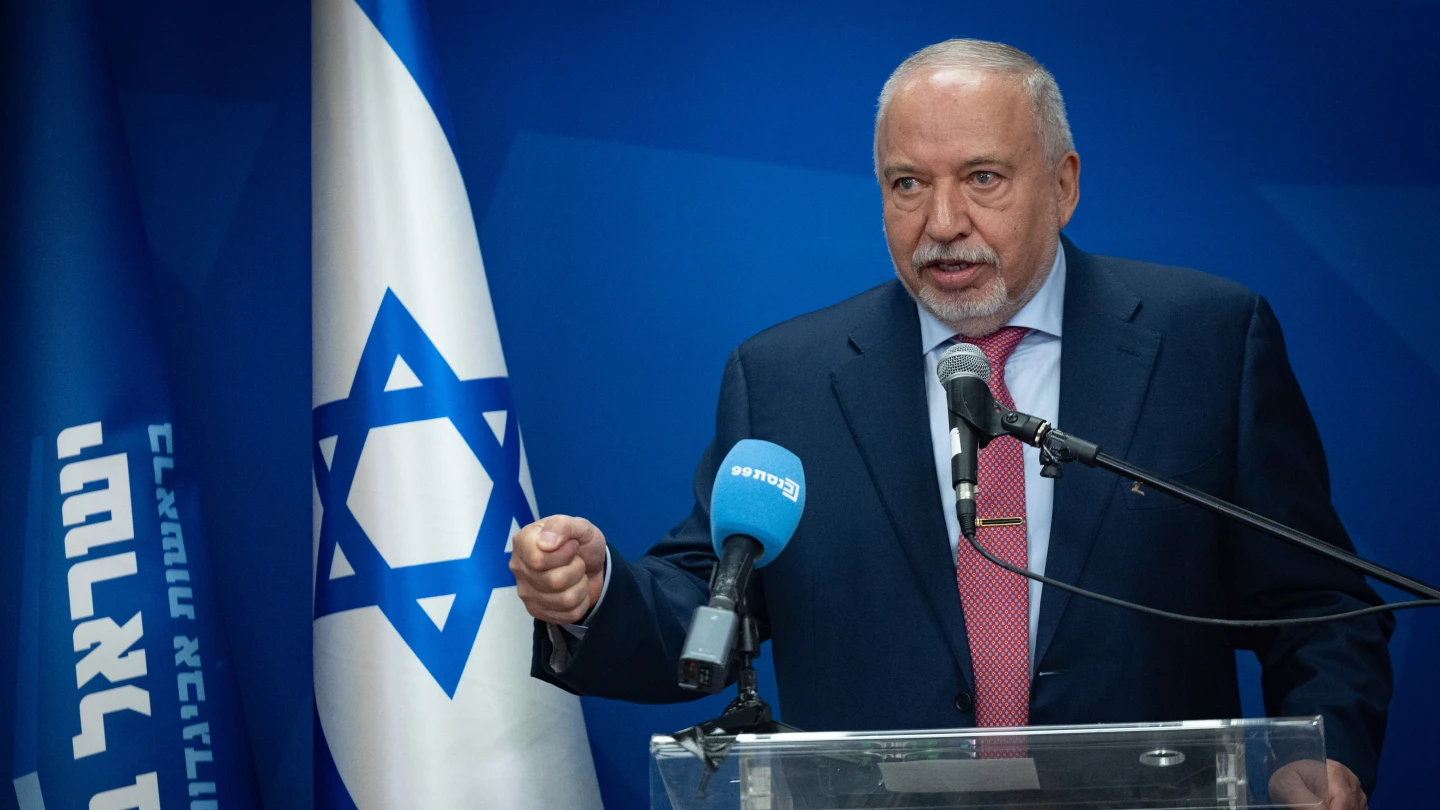
Israeli tycoon Arnon Milchan on Sunday denied receiving any assistance from Israeli Prime Minister Benjamin Netanyahu on a proposed TV network merger.
The longtime friend of the premier took the stand on day six of his testimony in the U.K. seaside resort of Brighton as a key prosecution witness in Case 1000, one of three separate corruption cases brought against Netanyahu.
Under Case 1000, the prime minister is charged with fraud and breach of trust. It centers on gifts Netanyahu and his wife Sara allegedly received from Milchan and Australian billionaire James Packer.
Due to his health, Milchan is giving video testimony from the Brighton courthouse instead of appearing at the Jerusalem courthouse.
Under cross-examination from Netanyahu’s defense attorney Amit Hadad, Milchan said that Netanyahu did not help to advance a proposed merger between the Keshet and Reshet television networks that would have benefited the Hollywood producer financially.
“I’ll make the whole story with Reshet and Keshet simple: I wasn’t willing to enter as an investor until there was a merger,” Milchan said on Sunday, dismissing the allegations.
“There was no negotiation, there was no price, there was nothing, just vague ideas,” Milchan continued.
Milchan said on Sunday that he had informed Netanyahu when he was communications minister about the proposed merger and that Netanyahu had expressed interest in the idea, but that the proposal did not advance far enough to get regulatory approval.