Amid escalating violence against the Druze community in Syria’s Sweida province, top Israeli leaders issued a series of strong statements on Wednesday, signaling Israel’s continued military engagement and its deepening concern over the fate of minority groups in Syria.
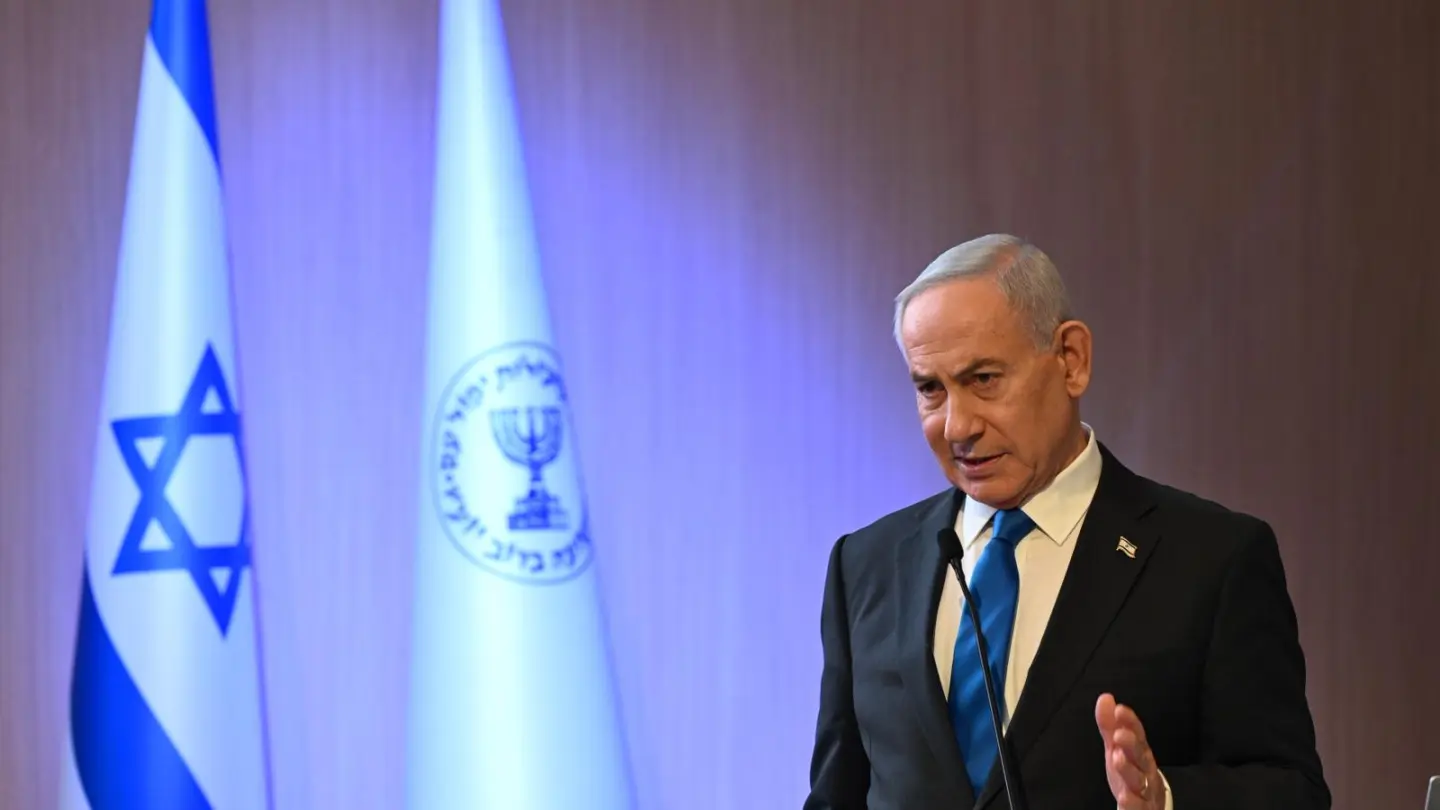
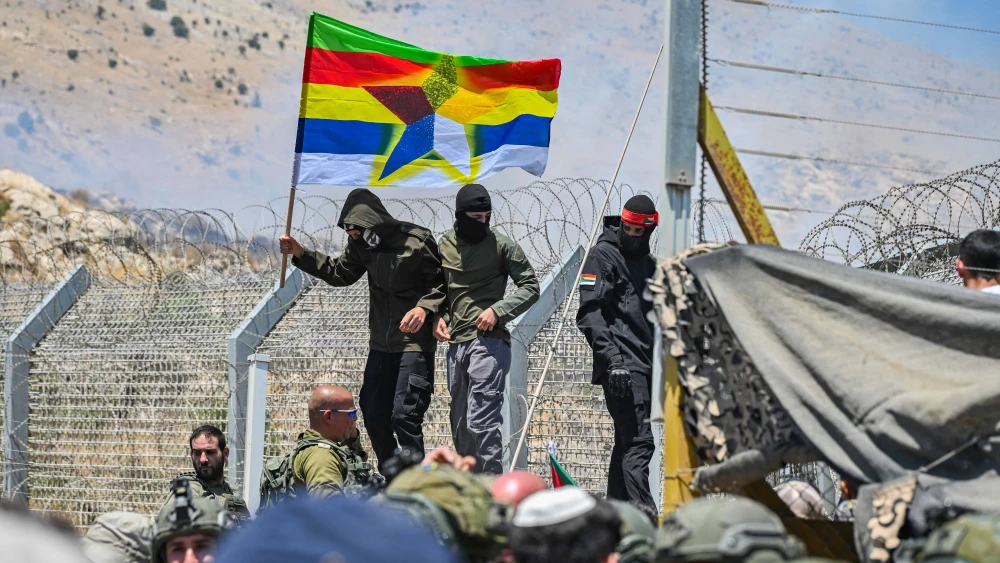
In a video address, Israeli Prime Minister Benjamin Netanyahu directly appealed to Israeli Druze citizens, warning against crossing into Syria to assist relatives there.
Netanyahu:
— Amit Segal (@AmitSegal) July 16, 2025
My Druze brothers, citizens of Israel. The situation in Sweida and southwest Syria is dire.
The IDF, air force, and other forces are in action. We're working to save our Druze brothers and eliminate regime gangs.
Now, I have one request for you. You are Israeli… pic.twitter.com/vtpx2A6efB
“My Druze brothers, citizens of Israel. The situation in Sweida and southwest Syria is dire,” Netanyahu said. “The IDF, Air Force and other forces are in action. We’re working to save our Druze brothers and eliminate regime gangs. Now, I have one request for you. You are Israeli citizens. Do not cross the border. You’re putting your lives at risk. You could be killed, kidnapped, and you’re hindering the IDF’s efforts. So I’m asking you, return to your homes. Let the IDF do its job.”
Israeli Defense Minister Israel Katz reinforced this message, declaring that Israel would respond forcefully to attacks on the Druze population in southern Syria.
“The signals to Damascus are over—now there will be painful blows,” Katz warned. “The IDF will continue to act decisively in Sweida until these attacks stop and those responsible withdraw.”
החלו המכות הכואבות pic.twitter.com/1kJFFXoiua
— ישראל כ”ץ Israel Katz (@Israel_katz) July 16, 2025
Israeli Foreign Minister Gideon Sa’ar weighed in, condemning what he called a pattern of systematic violence against Syria’s minority communities, including Kurds, Alawites and Christians, while calling on the international community to break its silence.
“We are witnessing recurring persecution and pogroms against minorities,” Sa’ar said. “In just six months, mass killings in northwest Syria, attacks on Alawites, Kurd hostility in the north, and church burnings have all gone largely unnoticed by the world.”
Referencing shocking footage from recent attacks on Syrian Druze civilians, he criticized both the Syrian regime and global inaction: “What else must happen for the international community to raise its voice?”
Sa’ar emphasized Israel’s core interests in Syria: to maintain security along the border and to protect the Druze, with whom Israel shares “a bold and strong relationship.”
“The shocking images from Syria prove one thing—once a jihadist, always a jihadist,” tweeted Minister of National Security Itamar Ben-Gvir, referring to Ahmed al-Sharaa, also known by his nom de guerre Abu Mohammad al-Julani, the rebel commander currently serving as president of Syria.
"[T]he only thing that needs to be done with Julani is to eliminate him,” Ben-Gvir added. “We need to eliminate the head of the snake.”
The remarks follow a series of Israeli airstrikes in southern Syria, where the IDF is targeting militias accused of participating in attacks on Druze villages. Israeli military action extended to the capital of Damascus on Wednesday, targeting the entrance to the Syrian regime’s military headquarters.
The Syrian Observatory for Human Rights (SOHR), a U.K.-based war monitor, updated the death toll from the clashes in southern Syria to 248 as of Wednesday.
SOHR, long affiliated with the Syrian opposition, also reported widespread destruction of civilian infrastructure, including churches and residential homes, describing government-backed assaults as attacks on the “dignity and property” of Druze residents in the Sweida region.