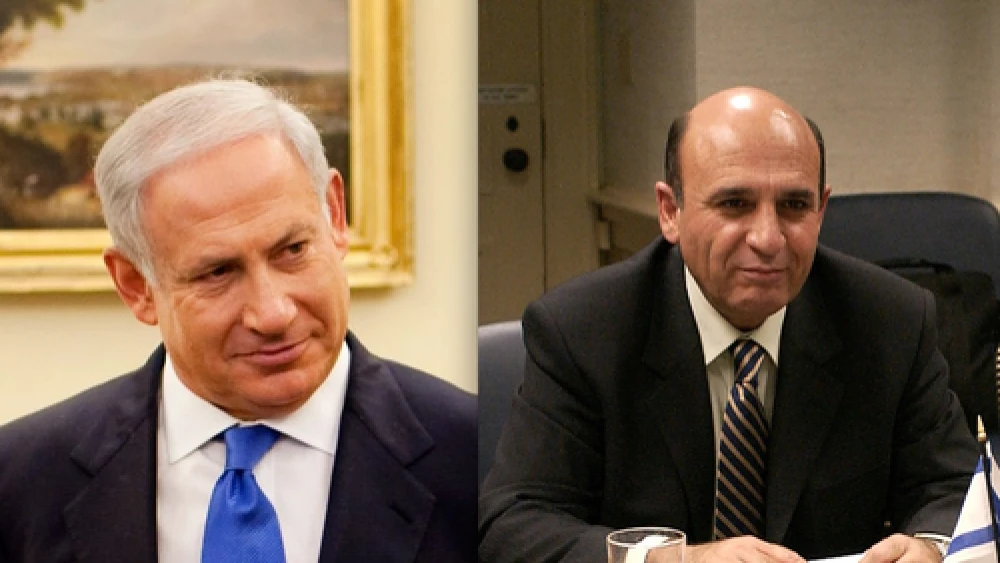
Israeli politics has been thrown into an uproar by the decision of the sinking Kadima Party and its leader Shaul Mofaz to throw in their lot with Israeli Prime Minister Benjamin Netanyahu. This led to the postponement of new elections that were going to be moved up to this September from the fall of 2013 and to the creation of a new government with the support of more than 90 members of the 120-seat Knesset.
Much of the reaction to the deal rightly centered on its being a political masterstroke by Netanyahu, since it not only strengthened his already firm grasp on power but also insulated him against pressures from foes at home and abroad.
But the deft maneuver reflected more than just Netanyahu’s political skill. The new coalition represents the fact that the great debate between left and right about the peace process that defined Israeli politics, and the worldview of many of Israel’s foreign friends, has been largely resolved. Though there are still those on the right that wish to hold onto all of the West Bank and active remnants of the once mighty left that views the conflict as something that can be solved by Israel alone, Netanyahu’s ascendancy illustrates the broad consensus within the Jewish state that now exists on these issues.
Most Israelis support the concept of a two-state solution but understand that it will have to wait until the Palestinians decide to make peace. In the meantime, like Netanyahu, they believe the country must stay strong. They oppose foreign pressure to make unilateral concessions to the Arabs, and they agree with the prime minister that an Iranian nuclear weapon would be an existential threat that cannot be tolerated.
What it all boils down to is that the left has been completely marginalized in Israel. That is now reflected in an enormous governing coalition with the traditional voices of the left sitting on the sideline with not much hope of bettering their position when elections do come along next year.
This consensus is the product of 20 years of peace processing that has conclusively proved to the Israeli public that they have no partner, and that a repeat of the Oslo Accords or the withdrawal from Gaza would be a disaster that would be paid for in Jewish blood. In the meantime they prefer their government continue building the economy and hope the new cabinet—which will not be reliant on support from religious parties—can make progress toward genuine electoral reform and a more equitable distribution of the burden of military service.
But the fact of this consensus, so obvious to anyone conversant with Israel, hasn’t penetrated the consciousness of American liberals. They still don’t understand the stubborn refusal of Israeli voters and their leaders to join them in ignoring Palestinian rejectionism and remaking the state in the image of American Jewish liberalism. They are baffled by President Obama’s unpopularity in Israel and utterly flummoxed by the prospect of Netanyahu staying in office for years to come.
Author Peter Beinart, who supports boycotts of Israel that he says will save Zionism, is now an informal advisor to President Obama on the Middle East. He and others in the liberal media think Netanyahu is an extremist whose refusal to harbor illusions about the Palestinians and hardheaded assessment of Iran is madness, even though his views are seen in Israel as common sense. That’s why the recent attacks on Netanyahu’s stand on Iran from a few former defense officials and discredited Israeli politicians were widely misinterpreted in the United States as a sign that the prime minister is weak, when in reality he is stronger than ever and riding high in public opinion polls.
Despite the chasm that separates their views from the Israeli consensus, many liberal Jews—including prominent voices in the American media like Beinart—are acting as if they know more about the situation in the Middle East than the Jews who live there. Netanyahu’s triumph should be a signal that, perhaps, it is time for those who wish to save the Jewish state from itself to pipe down and start listening to the Israelis.
JNS Columnist Jonathan S. Tobin is senior online editor of COMMENTARY magazine and chief political blogger at www.commentarymagazine.com. He can be reached via e-mail at: jtobin@commentarymagazine.com. Follow him on Twitter at https://twitter.com/#!/TobinCommentary.