Newsletter
Newsletter Support JNS

Israel to extradite Russian hacker to US, ending hopes of prisoner exchange

Family of American-Israeli woman serving a more than seven-year sentence in Russia for drug-trafficking calls decision “immoral and inhumane” • Israeli justice minister: Extradition order was signed “after many in-depth deliberations.”

Family, friends and supporters protest as they calling for the release of Naama Issachar, an Israeli woman imprisoned in Russia for drug offenses, at Habima Square in Tel Aviv on Oct. 19, 2019. Photo by Tomer Neuberg/Flash90.

Israeli Justice Minister Amir Ohana on Wednesday signed the extradition order of Russian hacker Aleksey Burkov, who is wanted in the United States on suspicion of cyber crimes.

Burkov’s extradition ends hopes of a prisoner exchange with Russia whereby Russia would release American-Israel Naama Issachar, 26, who has been imprisoned in Russia since earlier this year for drug-related offenses.

The extradition order was signed “after many in-depth deliberations in recent weeks, with various parties, among them political and legal figures,” said Ohana in a statement.

Lawyers for Issachar’s family met with the justice minister earlier this month to argue against going through with the extradition, saying the move would be a severe blow to their daughter, who was sentenced by a Russian court earlier this month to seven-and-a-half years in prison after nearly 10 grams of cannabis was found in her carry-on bag during a stopover in Moscow.
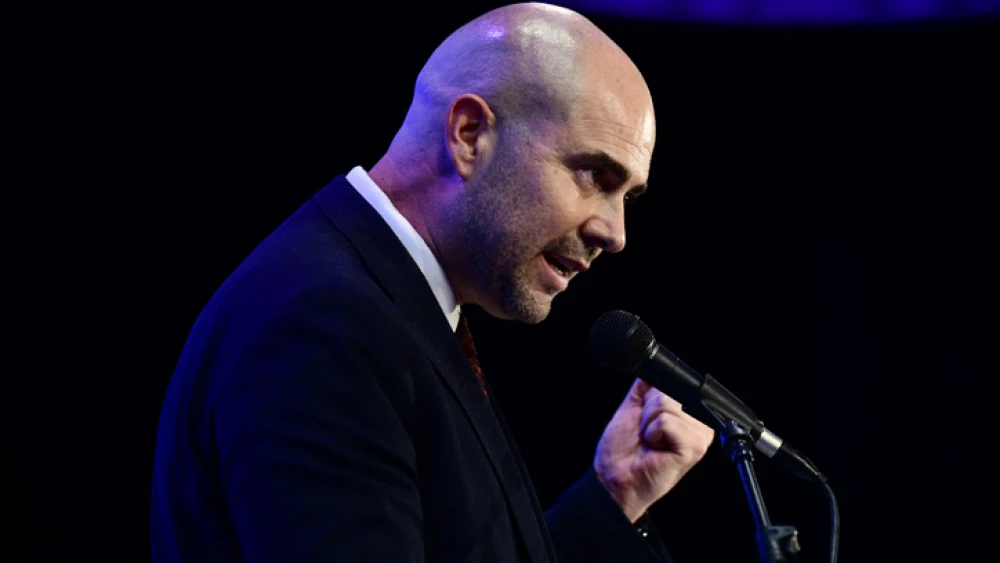
Israeli Justice Minister Amir Ohana speaks at a conference near Tel Aviv on Sept. 3, 2019. Photo by Tomer Neuberg/Flash90.

According to reports in the U.S. and Israeli media, the harsh sentence may have been intended as retaliation for Israel’s refusal to release Burkov into Russian custody.

Issachar’s family called the extradition order “immoral and inhumane,” and contradicted promises from Ohana that he would do everything in his power to free Issachar, who many Israelis believe is being used as a political bargaining chip by Russia.

Israeli Prime Minister Benjamin Netanyahu has submitted a formal pardon request for Issachar to Russian President Vladimir Putin.

“I suggest not creating a very dangerous precedent here, that each time there is a country that wants to have someone extradited, it captures an Israeli and makes a scapegoat of them,” Ohana told Kan public radio in an interview earlier this month.

The attack on Dec. 3, 2025 “on the temple represents a dangerous escalation in antisemitic violence against Jewish houses of worship,” according to the lawsuit.
“We’re in the process of getting things going,” a spokeswoman for the Iowa-based kosher meat processing facility told JNS. “We’re doing the best we can.”
Madeline Fox signed a 2025 letter denying a “rampant crisis of antisemitism” and accusing Congress of mounting a “far-right authoritarian attack on higher education.”
“The entire Jewish community feels that Senator Graham was a friend of ours and was with us on every issue—not just on Israel, but also antisemitism and security in the Jewish community,” Eric Fingerhut, president and CEO of the Federation, told JNS.
Yaroslav Shilkloper, who was extradited from Poland, was the first of three defendants sentenced for operating a fake brokerage scheme that targeted American investors.
“I want to see long-term peace. I want to see a two-state solution,” the Democratic congresswoman said as her progressive challenger accused pro-Israel groups of influencing her campaign.