Israeli Elections
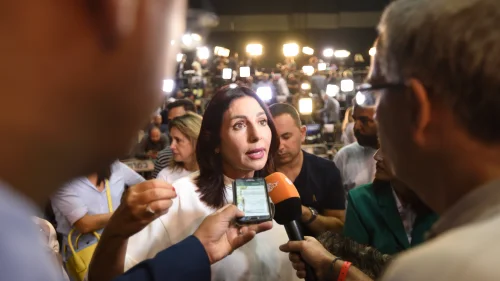
Sports and Culture Minister Miri Regev referenced 2009 as an example of how the political picture can change drastically.
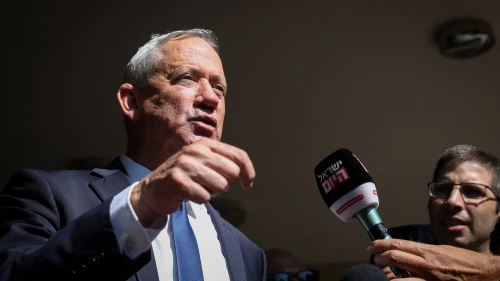
Responding to the exit polls, Blue and White Knesset Member and former Tel Aviv deputy mayor Asaf Zamir told JNS, “We are cautious and we have learned from the past, we are waiting for real results. But if these are the indications of the trend, Bibi Netanyahu failed, for the second time.”
Israel experts warned that the Sept. 17 elections could be exposed to numerous cyber attacks, as well as attempts to sway voters.

Join JNS for a live Israel Elections 2019 broadcast on Tuesday, Sept. 17.

In response to a Likud Party petition, committee head Justice Hanan Melcer rules that an NGO initiative to bus 15,000 Arab voters to polling stations is illegal.

Having learned the painful lesson in April that every vote counts, the parties are planning everything from social media blitzes to fleets of buses to bring supporters to the polls.
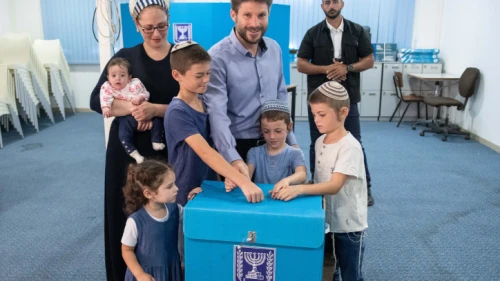
Central Elections Committee posts 3,000 camera-equipped observers at voting stations, with instructions to notify police if anyone is found filming illegally.
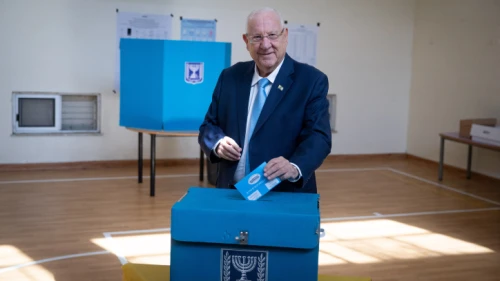
Doors opened at 7 a.m. to 6,394,030 eligible voters, with most stations scheduled to close at 10 p.m.
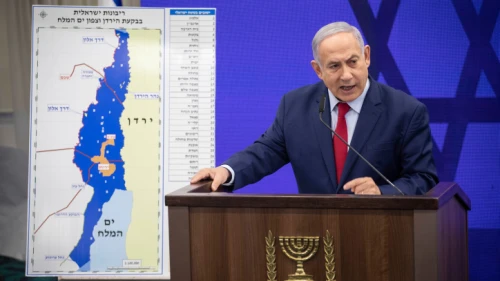
His announcement drew the expected condemnations from the left; on the right, some criticized the Israeli prime minister for waiting until now to implement this move.

So says Mark Levin, author of “Unfreedom of the Press,” on the cusp of the second round of national elections in the Jewish state.

The initiative intends to combat alleged voter fraud in Arab towns by adding a “feeling of security” for workers at polling stations.
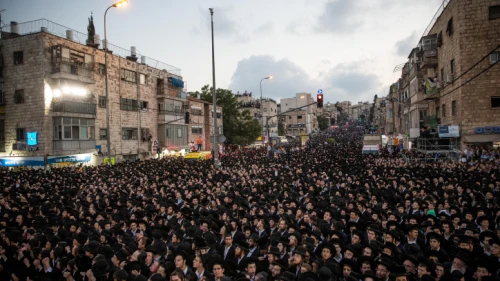
The Sept. 17 election is a struggle “over our right to be ultra-Orthodox, to observe the commandments, to lead a life of Torah and faith,” says UTJ Party leader Yaakov Litzman.