


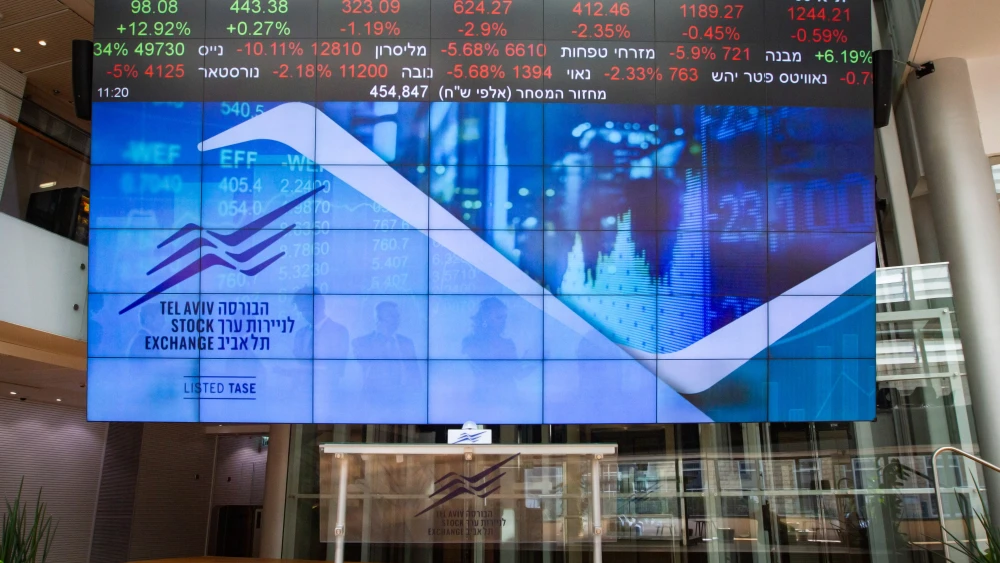
The Tel Aviv stock market has risen 65% since the Hamas-led attack on southern Israel on Oct. 7, 2023, in a sign of Israeli resilience and the improved geo-strategic situation in the region, according to official figures this week from the Tel Aviv Stock Exchange.
The broad Tel Aviv 125 index, which hit record highs this year after the 12-day war with Iran in June, is up 26% this year so far after increasing 28% in 2024, Yaniv Pagot, executive vice president, head of trading at the Tel Aviv Stock Exchange, told JNS on Wednesday.
He attributed the rally to a confluence of events led by the dramatic improvement in the geostrategic situation, even as the nearly two-year-old war against Hamas continues, and following a period of internal tension caused by the turmoil over the judicial reform.
“As soon as the geopolitical situation improved, first with the weakening of Hezbollah, then with the fall of the Syrian regime and then the war against Iran, we saw both local and international funds returning to the market,” he said.
The Israeli stock exchange was the second-fastest growing market in the world last year after Argentina, Pagot said, surpassing those in the United States.
He predicted further gains if a regional peace agreement is reached.
“There is a sense of eternal optimism engraved in the Israeli persona, and people see the war as an opportunity to get to a better place,” Cali Chill, chief investment officer at OurCrowd, a Jerusalem-based global investment platform that raises money for Israeli start-ups and funds, told JNS. “Resilience has become one of our characteristics. The world sees it the same way.”
Meanwhile, as the Israeli stock market reached record-highs, Israeli technology firms received more than $9 billion in private funding in the first half of 2025, representing the strongest six-month period over the last three years.
“Investors realize the change in the geo-political situation and elimination of a strategic threat to Israel,” stated Yariv Becher, vice president of partnerships at Startup Nation Central, an Israeli nonprofit promoting innovation. “We see that in the increased activity in the stock exchange in correlation with global investments in Israel.”



