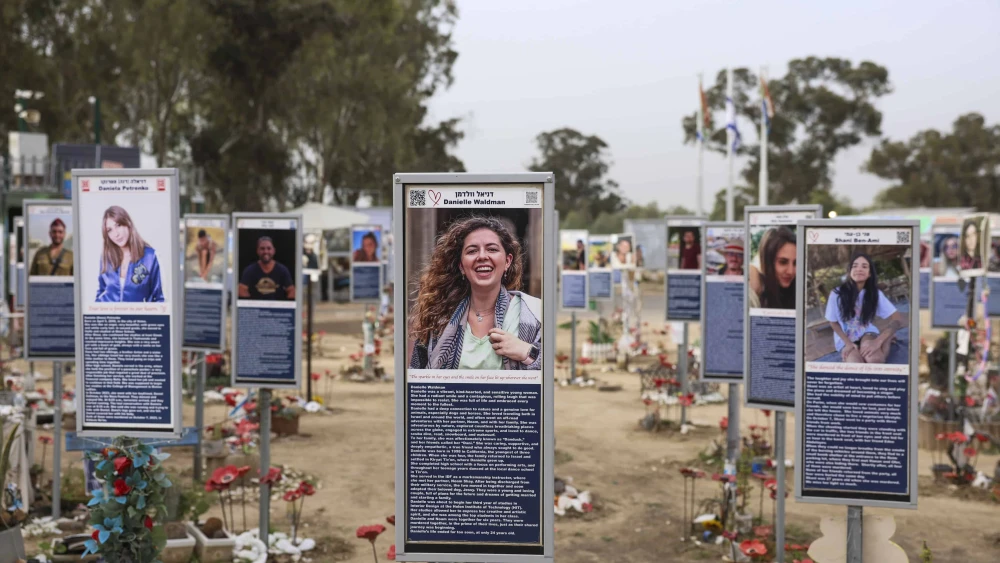
More than 70% of Israelis fear the possibility of another attack of the magnitude of the Oct. 7, 2023, atrocities, a poll published on Friday by Israel’s Channel 12 broadcaster shows.
Only 20% said they are not concerned by the possibility of a similar attack in the future.
The high percentage was recorded among coalition voters as well, at 66%, according to the survey.
Fifty-three percent said that the Oct. 7 massacre will affect their voting decision in the general election in October.
In addition, 66% of respondents said they would support a national inquiry into the events that led to the deadliest single-day attack in Israel’s history, when thousands of Gazan terrorists invaded the northwestern Negev on Oct. 7, 2023, murdering roughly 1,200 people and kidnapping 251 more into the Strip.
The Hamas-led attack triggered a multi-front war, involving military campaigns in Gaza, Lebanon, Syria, Yemen and Iran, that has lasted close to three years.
The poll was conducted by Midgam Consulting and Research under Mano Geva among a representative sample of 501 Israeli adults. The maximum sampling error was ±4.4 percentage points at the 95% confidence level.