


The U.S. State Department said on Monday that the Lebanese military launched its first operations to take over control of villages near the Israeli security zone in Lebanon.
“Pilot zone operations began in the villages of Froun, Srifa and Zawtar Al-Gharbiya in accordance with the Trilateral Framework and under the auspices of the Military Coordination Group for Lebanon,” State Department spokesman Tommy Pigott stated.
“This milestone is a direct outcome of last week’s discussions between Israel and Lebanon in Rome,” he said.
The three villages straddle the Litani River at the edge of the security area that Israel established within Lebanon to combat Hezbollah.
Under the agreement that Israel, Lebanon and the United States signed in Washington in June, the establishment of Lebanese-controlled pilot zones is the first step to allow Israel to “progressively redeploy out of the Lebanese territory.”
Those redeployments will require “mutual consent” and “the confirmation of successful disarmament of non-state armed groups and dismantlement of their infrastructure” in the pilot zones, per the agreement.
It’s not clear whether Israel withdrew any of its forces as part of the Lebanese military moving into the three villages, though the Israel Defense Forces has operated in all three villages in recent months.
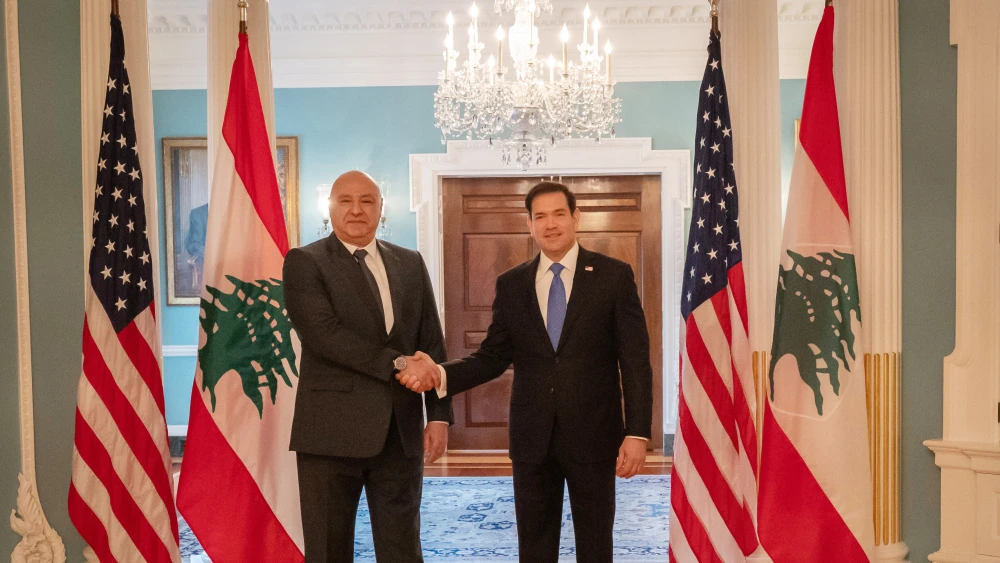
The move follows Lebanese President Joseph Aoun’s arrival in Washington on Sunday for meetings with the Trump administration.
“The biggest problem Lebanon has is that you have a political movement that also has an armed militia that is not just well armed and trained and equipped and financed by Iran, but they use that to conduct terrorism, particularly against northern Israel,” U.S. Secretary of State Marco Rubio said after meeting with Aoun on Sunday.
“As long as that problem exists, Lebanon will never fully be at peace,” he said.
Aoun is expected to meet with U.S. President Donald Trump on Tuesday.



