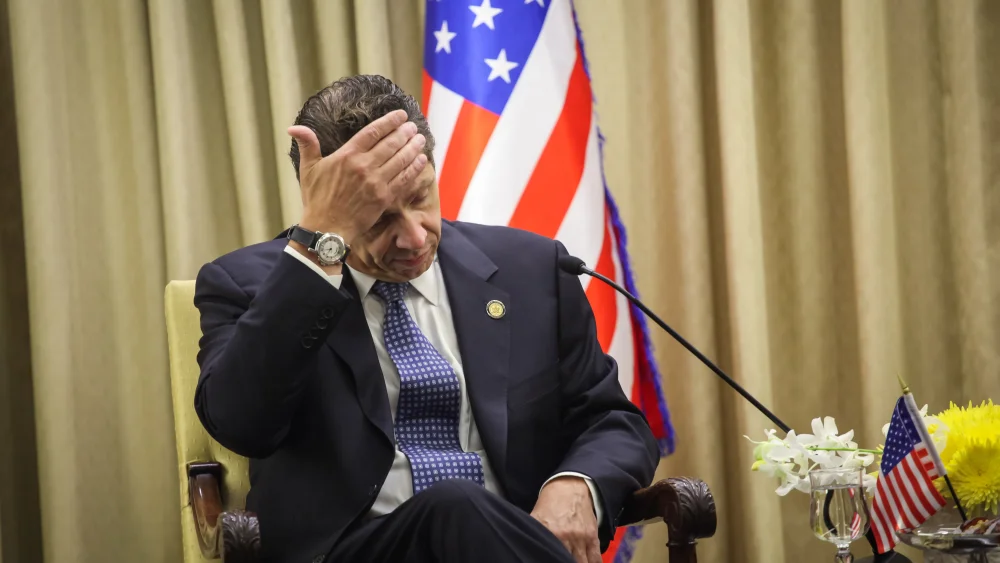
Former New York governor Andrew Cuomo, who is running as an independent to be New York City mayor, asked Jews in the Big Apple for clemency hours before the beginning of Yom Kippur, before which Jews ask each other for forgiveness.
“During COVID, as governor, I made decisions with the best of intentions to protect health and save lives,” Cuomo said in a video message. “However, I recognize that some of those decisions caused pain in the Jewish community, because we did not always fully consider the sensitivities and traditions that are so deeply important.”
“We could have done better, and for that, I am truly sorry,” Cuomo said.
After New York City Mayor Eric Adams dropped out of the race, Cuomo appears likeliest to challenge Zohran Mamdani, a state representative and socialist, who beat the former governor in the Democratic primary. Polling suggests Mamdani has a large lead.
Mamdani has drawn criticism from Jewish leaders and organizations for saying he would have Israeli Prime Minister Benjamin Netanyahu arrested if the premier came to the Big Apple and for declining to say that “globalize the intifada” calls for violence against Jews.
During the pandemic, Cuomo and Bill de Blasio, then the city mayor, suggested that Orthodox Jews were responsible for spreading the virus. He closed yeshivas in what he called red zones, which were drawn largely around Orthodox communities. He did so even when infection rates were below thresholds in those areas. He also limited religious gatherings to 10 people, even for outdoor services.
Many saw Cuomo’s public rhetoric as scapegoating Jews for the viral spread.
“To the extent there are communities that are upset, that’s because they haven’t been following the original rules, and that’s why the infection spread,” the governor said at the time about Jews. “Because they weren’t following the rules, and the rules weren’t being enforced.”
In his Yom Kippur message, Cuomo said that “my intentions don’t change the impact, and I sincerely ask for your understanding on this holy day of atonement. I am committed to learning from these lessons today.”
Cuomo recently won endorsements from several New York Jewish groups after Adams dropped out. The former governor trails Mamdani and leads Curtis Sliwa, the Republican, in polling.
Although non-Jews aren’t enjoined to seek forgiveness before Yom Kippur, Rabbi Uriel Vigler, director of the Chabad Israel Center of the Upper East Side of Manhattan, told JNS that “seeking forgiveness and humility are two themes of this season of repentance and important values held in high regard by Jews.”
“When people embrace these critical values, especially public officials and candidates, it goes a very long way and will no doubt resonate with voters,” he said. Sincere teshuvah, repentance, “is something everyone can truly do,” he said.