



The Israel Defense Forces have long been regarded as the heart of national unity and resilience in a society marked by diversity and internal conflict. Most Israeli citizens see it as a unifying force, bridging divides and embodying a shared commitment to the nation’s security and future. In addition, much of Israel’s military has performed bravely in its many and largely victorious operations, battles and wars.
It is hardly surprising, then, that out of the 14 prime ministers Israel has had since its founding in 1948, three have been generals: Yitzhak Rabin, Ehud Barak and Ariel Sharon. In contrast, out of the 14 presidents the United States has had in the same period, only one general, Dwight Eisenhower, has occupied the White House. The prominence of military leaders in Israeli politics speaks volumes about the military’s integral role in shaping the nation’s governance and strategic direction.
Both Rabin and Barak served as IDF chiefs of staff, which gave them not only military experience but also insight into leadership and crisis management at the national level. Ariel Sharon, too, was a formidable military figure and widely regarded as a potential candidate for chief of staff, though his right-wing ideological leanings and history of insubordination are said to have precluded his appointment. Nonetheless, he later served as defense minister.
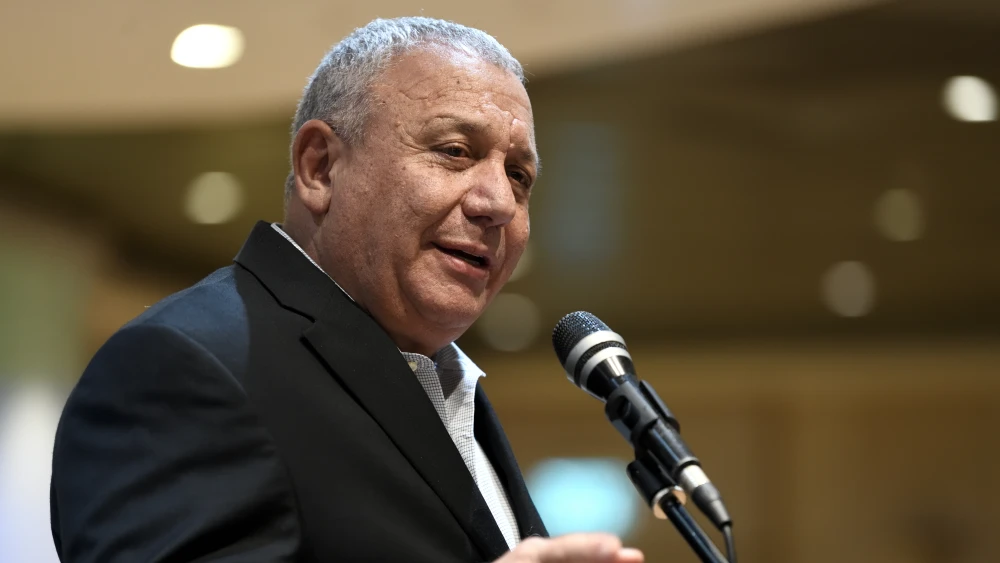
As Israel approaches its upcoming elections, polls suggest that another former chief of staff, Gadi Eisenkot, may emerge as a strong candidate for the prime minister’s office. This potential leadership shift invites examination of the common traits shared by previous military leaders that could inform our expectations of future governance.
Each of these military leaders, unlike almost all of the civilian ones, exhibited a notable impatience with unresolved conflicts and made bold and risky (detractors called them reckless) decisions that broke with tradition.
Rabin, despite promising during his electoral campaign never to recognize the PLO, did exactly that a few months later, signing the Oslo Accords. Barak, who committed not to divide Jerusalem or withdraw from the Jordan Valley, agreed to negotiate both the division and at least a partial withdrawal at Camp David in 2000. Sharon famously declared that “the fate of Netzarim is the fate of Tel Aviv,” and later withdrew unilaterally from Gaza, uprooting all settlements there in contradiction to his campaign promises.
As we consider the potential leadership of Gadi Eisenkot, it’s worth noting that he has publicly stated that anyone who still believes in the two-state solution after Oct. 7, 2023 is “delusional.” While he has publicly indicated that he wants to maintain a significant security zone in Gaza, Lebanon and Syria, he has reportedly conveyed privately that holding onto territory in a hostile country is not an end but leverage for negotiating better diplomatic terms.
Past behavior by an individual, let alone by three of his professional colleagues, is certainly no guarantee of future performance. However, in light of the characteristics shared by Rabin, Barak and Sharon—as well as the historical record—voters should not be surprised if Eisenkot, once elected prime minister, pursues a dramatically different path from the one he has outlined during his campaign. Given the legacy of bold and risky action among his predecessors, he may very well decide to implement significant changes, perhaps unilaterally.
While each general brought his own personality and inclinations to leadership, the factors outlined above deserve careful consideration by voters ahead of the Oct. 27 elections. The historical patterns of military leaders in government may serve as critical indicators of what lies ahead.


