


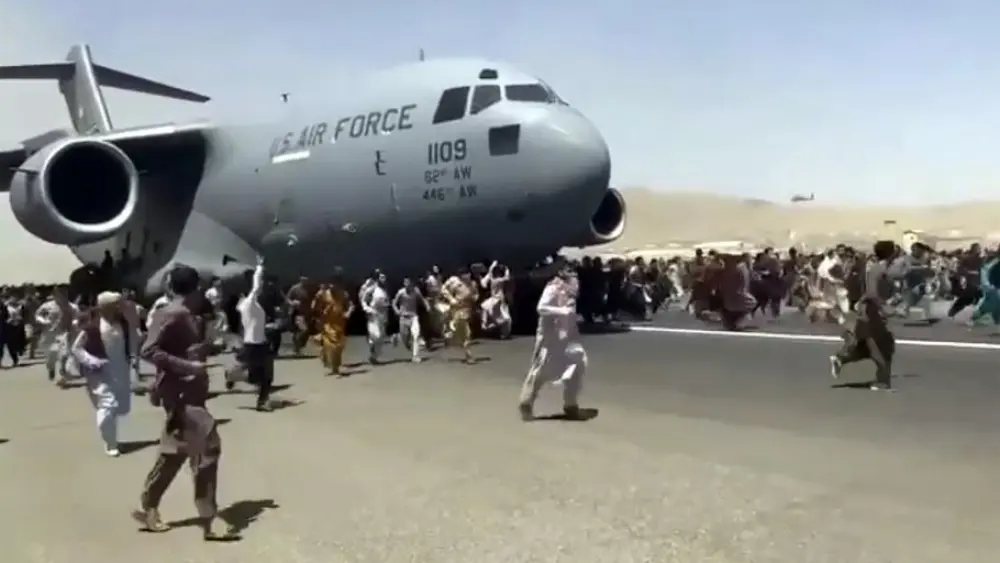

Given the size and capabilities of the various U.S. intelligence agencies, it is incomprehensible that the administration was clueless about what was happening in Afghanistan. But if that’s the case, then how to explain the nearly overnight retaking of the country by the Taliban?
One should be concerned when thinking that recent events in Afghanistan are part of a larger design. Recent U.S. policy changes have resulted in open borders; increased energy dependence; inflation; a decimated military; de-funded police; population control; censorship; indoctrination in schools; the rewriting of history; racial unrest; gender confusion; the selective implementation of laws and the undermining of America’s international standing.
This overall situation forces us to seriously consider the question: Can the United States be trusted under these circumstances?
Good people must wake up to the threats against their independence, freedom and self-reliance if they want to maintain a free and democratic republic in the United States, or anywhere else.
Terrorists and their supporters cannot be trusted, as they will break any promise or agreement as soon as they feel strong enough to do so. Appeasing such actors will never work. Durable peace and reconciliation agreements can only be reached if solid, long-term changes are made in the relevant educational institutions and media outlets. In addition, terror infrastructure must be dismantled, and incitement and misinformation must be stopped.
Any negotiations should be conducted very carefully, including analyzing multiple probable and improbable variables, to prevent future regrets.
Dr. Shmuel Katz was born in Hungary and raised in Israel. He served as an IDF officer in the Six-Day War and gained extensive trauma experience during the 1973 Yom Kippur War. He is double-boarded in surgery, a fellow of the Israeli Surgical Society and of the American College of Surgeons and other medical societies, and is on the board of many pro-Israel organizations.



