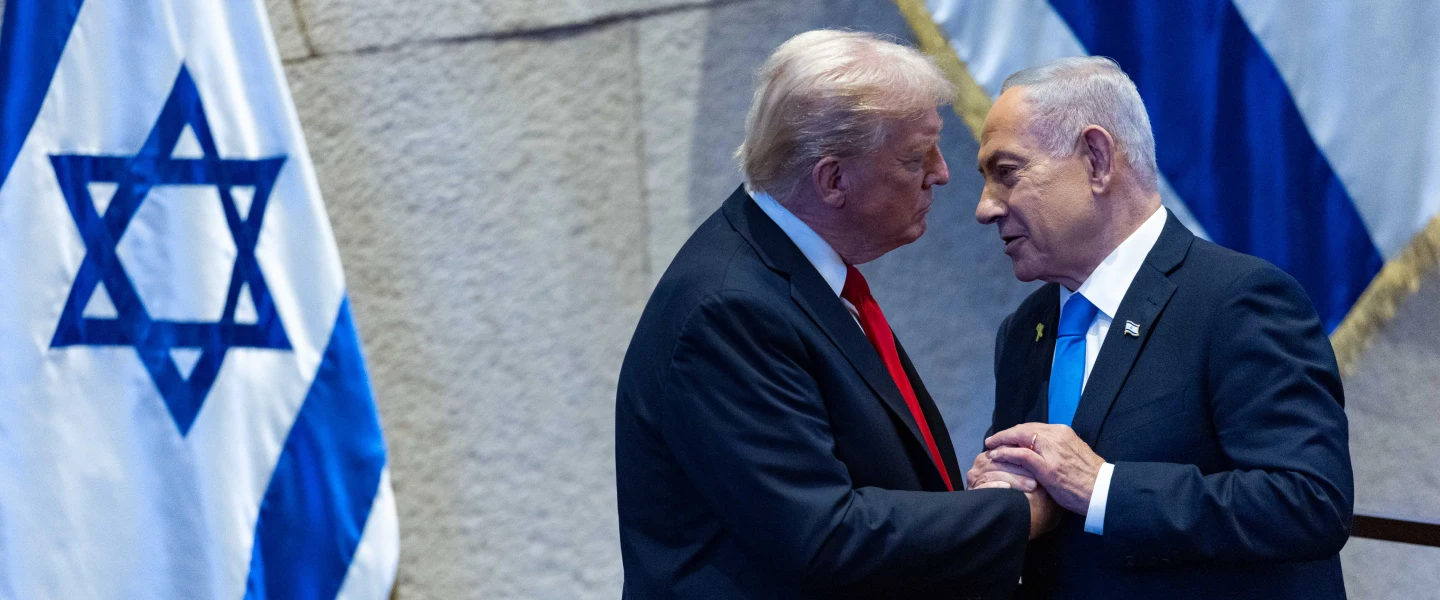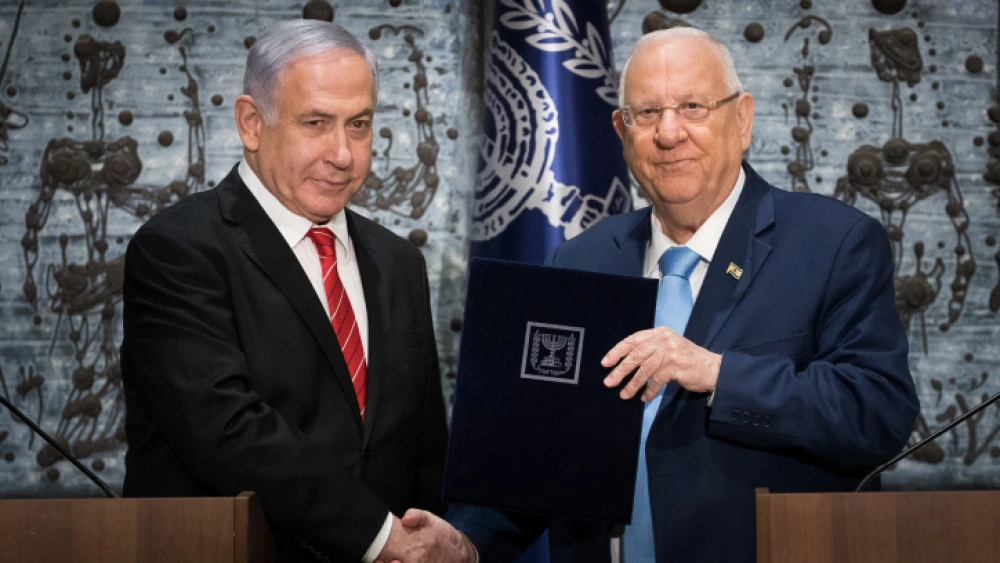
Israel’s President Reuven Rivlin is not expected to grant Prime Minister Benjamin Netanyahu an extension to form a majority government and will likely pass on the mandate to Blue and White leader Benny Gantz, sources close to the president said on Saturday night, confirming an earlier Channel 12 report.
Netanyahu has until Oct. 24 to cobble together a majority coalition. If he fails and the mandate is passed on to Gantz, the Blue and White leader would have 28 days, until Nov. 21, to form a government. If his attempts were to fail as well, there would then be a three-week period in which any Knesset member could attempt to form a government.
In the first round of elections in April, Rivlin used his option to extend Netanyahu’s mandate by 14 days. Following the second round of elections in September, Netanyahu was given the mandate to form a majority government based on the strength of his 55 Knesset member-strong right-wing and ultra-Orthodox alliance.
To form a government, a majority of 61 seats in Israel’s 120-seat parliament is needed—a result that seems unlikely that either party can achieve without the assistance of the other.
Rivlin has encouraged a unity government, which would be equally divided between Netanyahu and Gantz, each serving two years as prime minister. If Netanyahu is indicted in any of the three corruption cases he currently faces, he would take a leave of absence, and Gantz would become “interim prime minister” during that time.
Yisrael Beiteinu Party leader Avigdor Lieberman has also presented a coalition plan, consisting of Likud, Blue and White, and his own party. Netanyahu would head the unity government first, he proposed, with Gantz taking over after two years (or earlier, if Netanyahu is indicted). But both major parties dismissed his plan, saying that it contained nothing new, creative or serious.
Blue and White, and Likud have each accused the other of pushing the country towards a third election.
Meanwhile, on Saturday evening, hundreds of pro- and anti-Netanyahu protesters rallied near Attorney General Avichai Mandelblit’s Petach Tikvah home, with three anti-Netanyahu demonstrators being arrested for disorderly conduct and assaulting officers, according to police.
According to the Channel 12 report, Mandelblit will decide whether or not to indict Netanyahu by mid-November.
Both Netanyahu and Gantz reportedly want the ruling to be expedited—Gantz because he is sure that Likud will remove Netanyahu as party leader, and Netanyahu because he believes that the charges will be dropped.
Pre-indictment hearings in the three cases facing the prime minister wrapped up last week.
Netanyahu faces fraud and breach of trust charges in Case 1000, Case 2000 and Case 4000. In Case 4000, considered to be the most serious of the three, he also faces a bribery charge, though Channels 12 and 13 have both quoted anonymous sources as saying members of the prosecution team are inclined to drop the charge.