Science and Technology

Artist Beverly Barkat’s latest work, “Earth Poetica,” captures the world’s plastic pollution crisis. The artist hopes the massive sculpture, which will debut in Jerusalem, will “create some kind of dialogue that will enable change.”
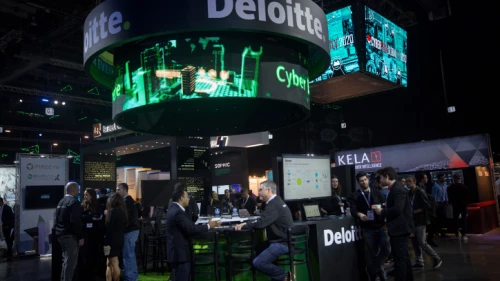
The new program will help establish entrepreneurship centers for Arab innovation. Currently, only 2% of high-tech employees are from the Arab sector.
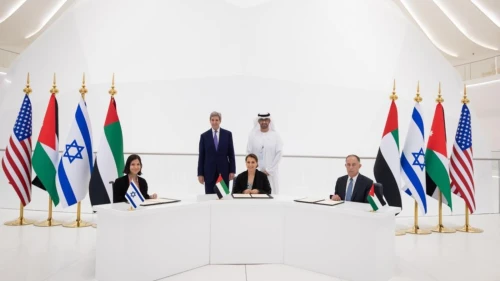
Companies, nonprofits, universities and people cross borders to initiate collaborative projects in water, energy and natural resource management.

More urban trees are set to lower temperatures, promote a healthier lifestyle and reduce negative effects of climate change.

Called the Eurasia Interconnector, it could replace plans for a pipeline connecting the three countries to transfer gas.

Through the Artemis Accords, “NASA aims to land the first woman and first person of color on the moon, heralding a new era for space exploration and utilization.”

It is intended “to help scientists in understanding the creation of heavy elements, black holes and gravitational waves, and to discover astronomical phenomena such as supernovas (star explosions).”
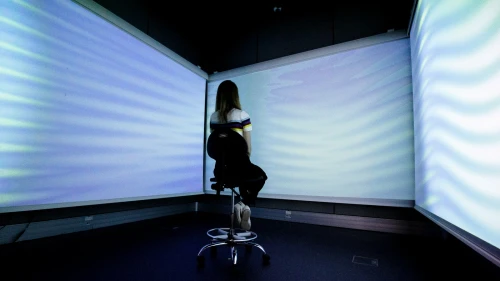
At one university in Israel, scientists are creating portals between the senses and even reprogramming them.
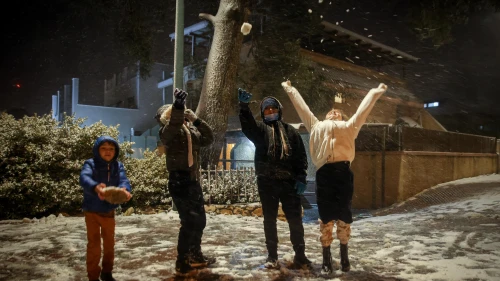
The all-time winter power consumption record was broken, as 14,735 megawatts were consumed simultaneously.
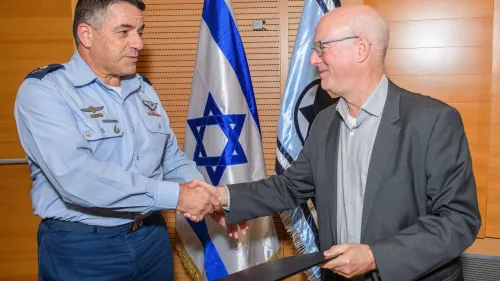
Professor Eviatar Matania, who heads the new Air and Space Power Center, says the Israeli Air Force is interested in gaining new insights on strategy, power and the region.
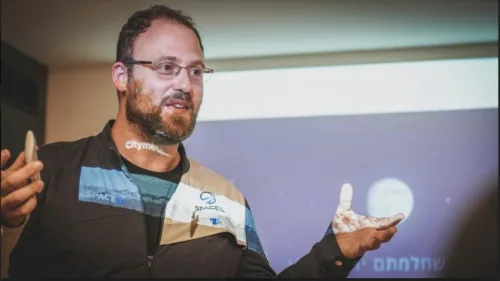
Kfir Damari, SpaceIL’s co-founder, talks about the “Beresheet” mission, plans for “Beresheet 2,” and his hope to spark children’s interest in space.

China, which is taking part in negotiations in Vienna as a member of the P5+1, appears keen on expanding ties in the Middle East, which could undercut U.S. sanctions on Iran.