


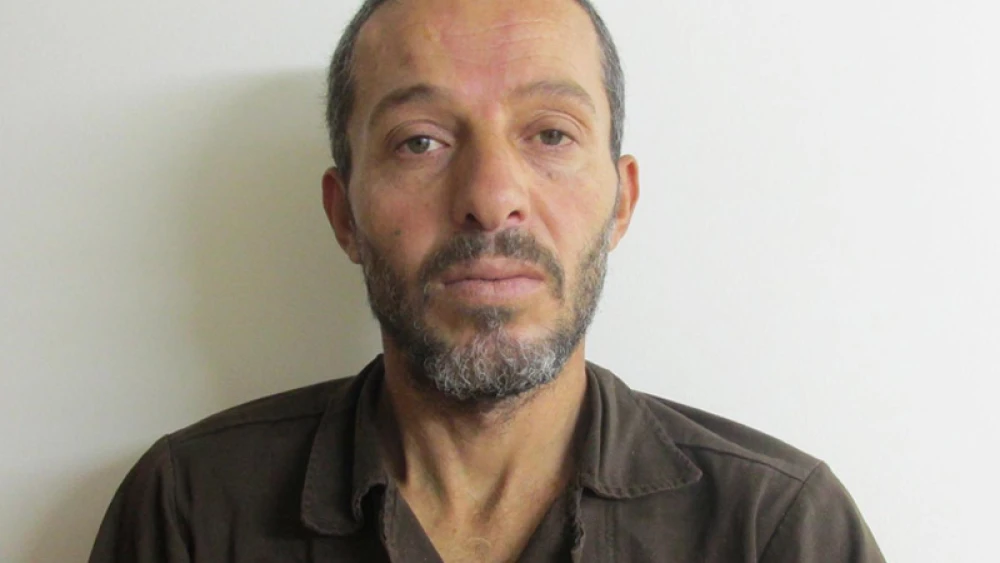
Israel’s Security Agency, the Shin Bet, cleared for publication on Monday the identity of the suspect in the murder of 52-year-old Esther Horgen, whose body was discovered in a Judea and Samaria forest on Dec. 20.
Muhammad Cabha, 40, from the village of Tura al-Gharbiya near Jenin, was arrested on Dec. 24 in a joint operation of the Shin Bet, Israel Police and Israel Defense Forces, according to a statement by the Shin Bet.
Four additional suspects were arrested together with Cabha, who has previous convictions for terrorist activity, according to the statement.
Cabha told Shin Bet investigators that he had decided to carry out a terror attack some six weeks before killing Horgen, following the death of Kamal Abu Awar, a security prisoner he had known who died in prison as a result of illness.
On the afternoon of Dec. 20, while smuggling cigarettes through the security fence in a forest adjacent to Tal Menashe, he identified a Jewish woman running alone, and attacked and murdered her.
In the days afterward, relatives and acquaintances in the village of Deir al-Ghusun aided Cabha in hiding from Israeli security forces.
Upon the conclusion of the investigation, it is expected that Cabha will be tried in the Samaria Military Court, according to the statement.



