U.S. Foreign Policy

Top regime figures in Tehran and strategic facilities of the Islamic Republic could be in the crosshairs.

Leaders and representatives of at least 18 nations were on stage.

Washington is “building on historic momentum toward durable peace in the Middle East,” according to the State Department.

Masoud Pezeshkian blamed sanctions by the United States and its allies for the “hardship and difficulties” Iranians are facing.

Bilal Hasan al-Jasim was tied to a deadly ISIS ambush on American troops.

Israeli Foreign Minister Gideon Sa’ar and the U.S. State Department hailed Buenos Aires’ move to list Iran’s Quds Force as a terrorist group, calling it a key step against Iranian terror.

“The rioters have put their hopes in him,” Ayatollah Ali Khamenei stated. “If he’s so capable, he should manage his own country.”

“We are ready for any choice. We do not desire a war, but we are ready for it,” Abbas Araghchi said during a visit to Lebanon.
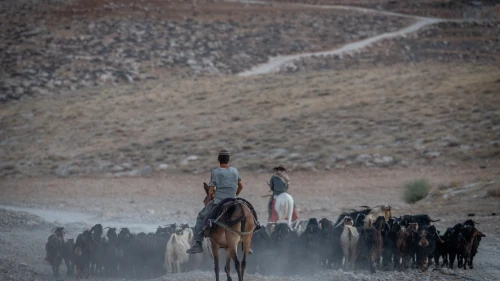
“I don’t know that we’re ever gonna solve this problem,” Rep. Tim Burchett said.
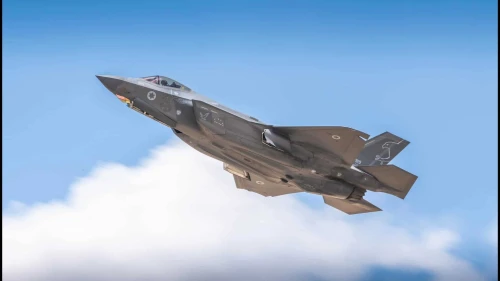
Ankara must no longer operate or possess the S-400 air defense system for a deal on the F-35 stealth fighter jets, Tom Barrack said.

Michael Rigas’s visit will reaffirm the “ironclad” U.S.-Israel relationship, the department said.

At least publicly, the deal has been met with silence by Israel and American Jewish organizations.