U.S. Foreign Policy

While Turkish President Recep Tayyip Erdoğan has expressed a willingness to strengthen ties with Washington, Ankara’s foreign policy—particularly its engagement with BRICS, pro-Hamas stance, and continued ambivalence toward NATO—poses significant challenges.
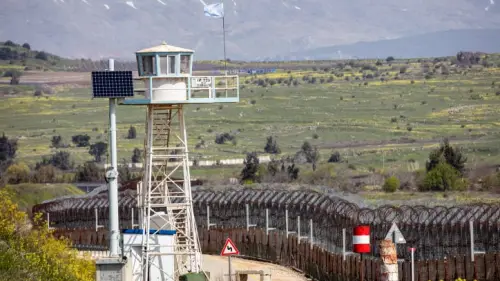
The Group of Seven expressed support for “an inclusive, Syrian-led and Syrian-owned political transition.”

“The U.S. must now make it clear to Erdoğan that his deliberate facilitation of Hamas will carry serious consequences,” FDD Action said in support of efforts to recognize the growing threat.
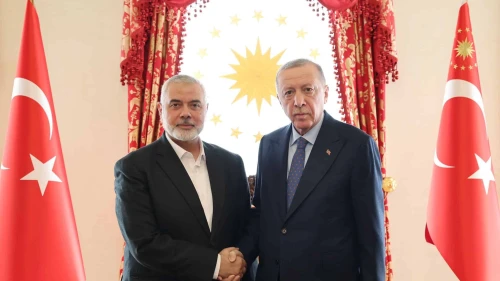
While Hamas may view a move to Turkey as a soft landing in a safe harbor, for Ankara, accepting Hamas would be a risky and multifaceted move in a complex geopolitical game.

Taher Herzallah of American Muslims for Palestine has called Jews “enemy No. 1.”
“We don’t believe the leaders of a vicious terrorist organization should be living comfortably anywhere, and that certainly includes in a major city of one of our key allies and partners,” said U.S. State Department spokesperson Matthew Miller.
The move could have “dramatic” consequences for the ongoing ceasefire talks between Israel and Hamas, according to Hebrew media reports.

U.S.-Saudi deals on trade and technology are “not tied to any third parties,” Foreign Minister Prince Faisal bin Farhan Al Saud says.

A normalization deal between Israel and Riyadh can be reached after the U.S. election and before Biden leaves office, the veteran lawmaker tells JNS.

“We’re working on a joint statement,” the U.S. president said. “There’s going to be some sanctions imposed on Iran.”
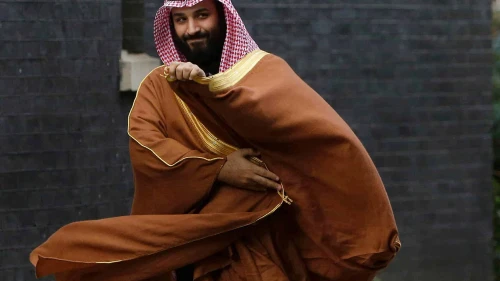
The kingdom’s de facto ruler reportedly made the remarks in a private conversation with U.S. Secretary of State Antony Blinken.

“Tax-exempt status is a privilege, not a right, and in exchange, organizations must operate for stated exempt purposes,” stated Rep. Jason Smith, chair of the House Ways and Means Committee.