The United States on Thursday sanctioned several companies and senior executives allegedly part of the international network supporting Iran’s petrochemical and petroleum industries.
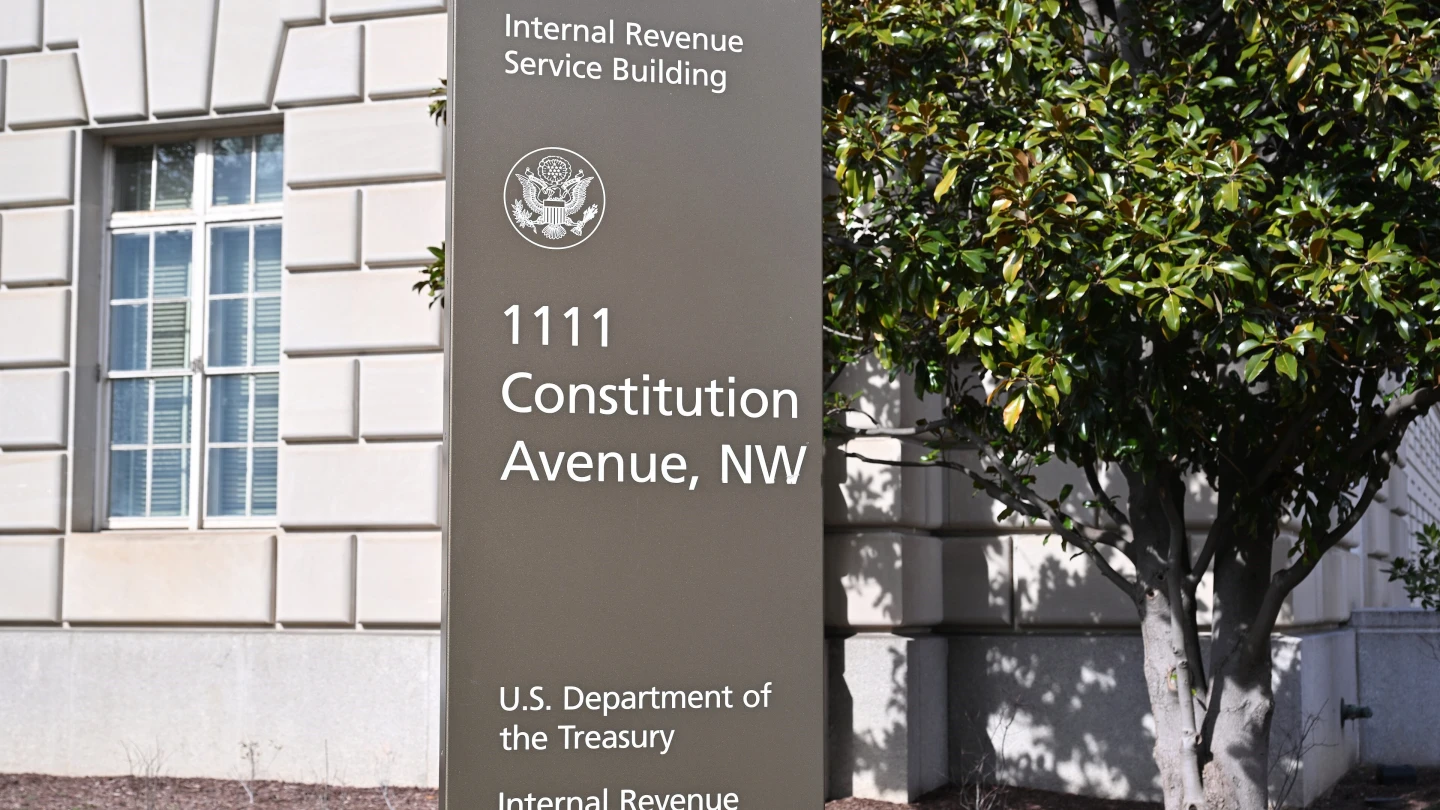
The four international petrochemical and petroleum companies have collectively transferred the equivalent of hundreds of millions of dollars’ worth of exports from the National Iranian Oil Company, an entity instrumental in Iran’s petroleum and petrochemical industries, which helps to finance Iran’s Islamic Revolutionary Guard Corps’ Quds Force and its terrorist proxies, said the U.S. Treasury Department in a statement.
“Iran’s petrochemical and petroleum sectors are primary sources of funding for the Iranian regime’s global terrorist activities and enable its persistent use of violence against its own people,” said U.S. Treasury Secretary Steven Mnuchin.
Thursday’s action targets Triliance Petrochemical Co. Ltd., a Hong Kong-based broker with branches in Iran, United Arab Emirates, China and Germany.
In 2019, Triliance ordered the transfer of the equivalent of millions of dollars to NIOC as payment for Iranian petrochemicals, crude oil and petroleum products shipped to the United Arab Emirates and China after the expiration of any applicable significant reduction exceptions, according to the Treasury Department
In facilitating these shipments, Triliance worked to conceal the Iranian origin of these products and also facilitated the sale of millions of dollars’ worth of petroleum products involving Naftiran Intertrade Company, a subsidiary of NIOC, to companies in China, according to the department.
Additionally, Triliance Kish Petrochemical Company, which is the Iran-based branch of Triliance, recently changed its name and operates as Tiba Parsian Kish Petrochemical. It was also one of the entitles sanctioned on Jan. 23, along with Hong Kong-based Sage Energy HK Limited, Jiaxiang Industry Hong Kong, Ltd., Shandong Qiwangwa Petrochemical Co., Ltd., Shanghai-based Peakview Industry Co. Limited and Dubai-based Beneathco DMCC.
Triliance executive Ali Bayandarian and Shandong Qiwangwa executive Zhiqing Wang were also just sanctioned by the United States.
The actions exemplify the Trump administration’s “maximum pressure” campaign against Iran since withdrawing the United States from the 2015 nuclear deal in May 2018, reimposing sanctions lifted under it, along with enacting new financial penalties on the regime.