The United Nations Office for Outer Space Affairs (UNOOSA) and Ben-Gurion University of the Negev have signed a Memorandum of Understanding (MoU) regarding the creation of a regional support office for UNOOSA’s UN-SPIDER program, the United Nations announced in a statement on Monday.
The program, the full name of which is “United Nations Platform for Space-Based Information for Disaster Management and Emergency Response,” is, as its name suggests, geared towards leveraging space for disaster management and risk reduction. Regional support offices (RSOs) for the program collaborate with UN-SPIDER on “technical advisory support, capacity building and outreach,” according to the statement.
The new RSO, bringing the total number to 25, is to be located in BGU’s Earth and Planetary Image Facility, which conducts research on advancing satellite and airborne remote sensing applications for a variety of uses. The RSO at BGU “adds precious expertise on satellite technology to the network,” said the statement.
According to the MoU, UNOOSA and BGU will collaborate, among other things, on emergency-response management, capacity-building on space-based technologies for disaster management and the dissemination of methods and results from Earth observation.
UNOOSA director Simonetta Di Pippo said, “I am delighted to see the UN-SPIDER’s network of RSOs continuously growing, adding diverse, top-class expertise to its resources and allowing the sharing of knowledge on a global scale. Through the RSOs, our work to help countries leverage space tools to counteract disasters is scaled up to improve the lives of more people worldwide.”
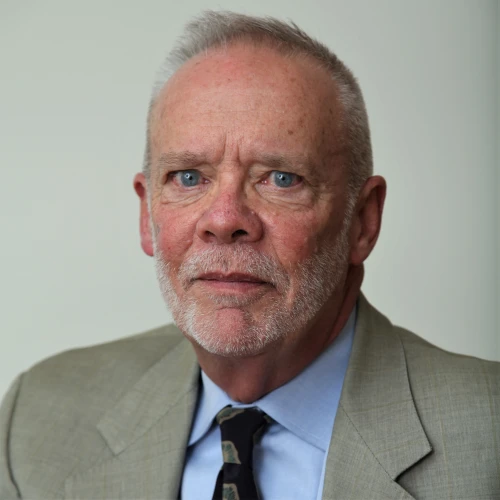
Professor Dan G. Blumberg, vice president of Ben-Gurion University for regional and industrial development, said: “This is an exciting moment where we will be making our long-term research scientific knowledge available to support relief efforts when needed. Our ability to observe Earth from space and rapidly analyze complex imagery is being put to good use worldwide, mitigating disasters such as tsunamis, earthquakes, drought and others. We wish our university and UNOOSA a fruitful collaboration on capacity building and training in this very important field.”